


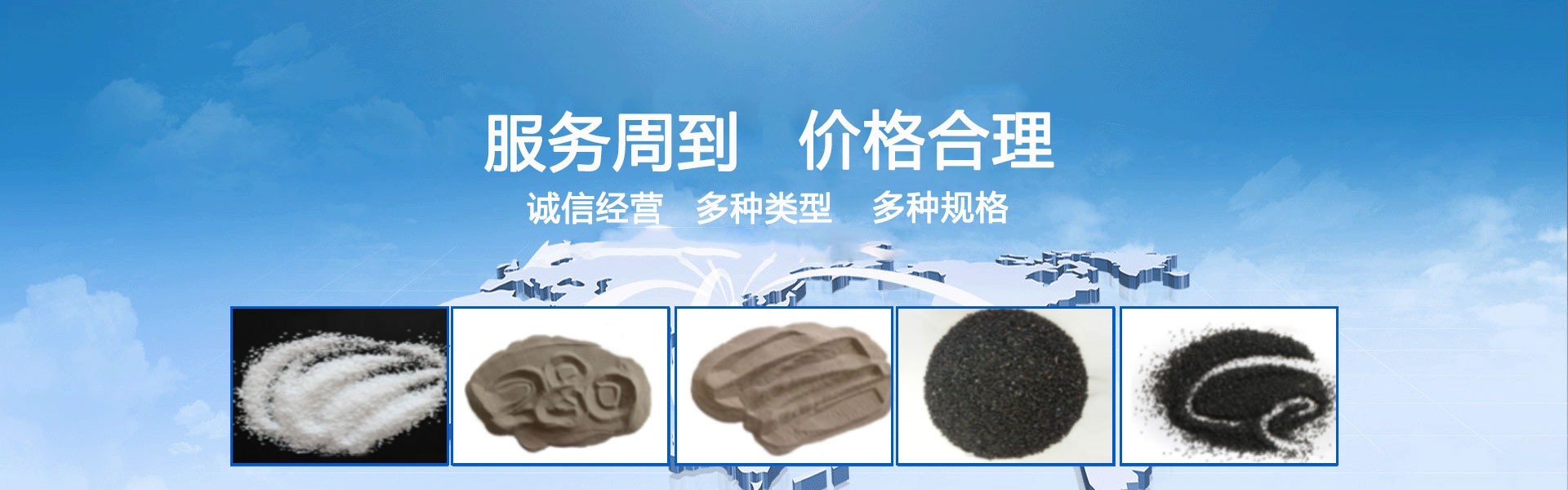

Brown fused alumina, also known as corundum, is a high purity abrasive material, often referred to as the "teeth of industry." It is widely used in industries such as refractory materials, grinding wheels, sandblasting, and more. What is its main component?
Brown fused alumina is produced from bauxite and coke (anthracite) as the main raw materials, which are processed through high-temperature treatment in an electric arc furnace. Its primary chemical composition is Al2O3, with a content ranging from 95.00% to 97.00%, and it also contains trace amounts of Fe, Si, and Ti. The varying content results in different grades of brown fused alumina; lower aluminum content corresponds to lower hardness and significant price discrepancies. It boasts a microhardness of HV1800-2200, offering higher resistance than SiC. Brown fused alumina is an indispensable additive in various grinding and polishing equipment.
Brown fused alumina is typically brownish in color, with Al2O3 ≥ 94.5%, SiO2 ≤ 2.5%, TiO2 ≤ 3.5%, and Fe2O3 ≤ 1%. The mineral composition is primarily α-Al2O3, with a crystal center that features rhombic, thick plate-like, and fissured granules, surrounded by a higher concentration of silicon and calcium oxide melt crystals, which are elongated and have coarse, granular, skeletal-like crystal shapes. Its color largely depends on the amount of residual titanium oxide present.
The following image provides an introduction to the main chemical composition of brown fused alumina, including its content and specifications for applications:
Note: F for specifications for consolidation grinding tools and sandblasting
P for coated abrasive specifications
W represents micro-powder, 320# refers to W40.
