

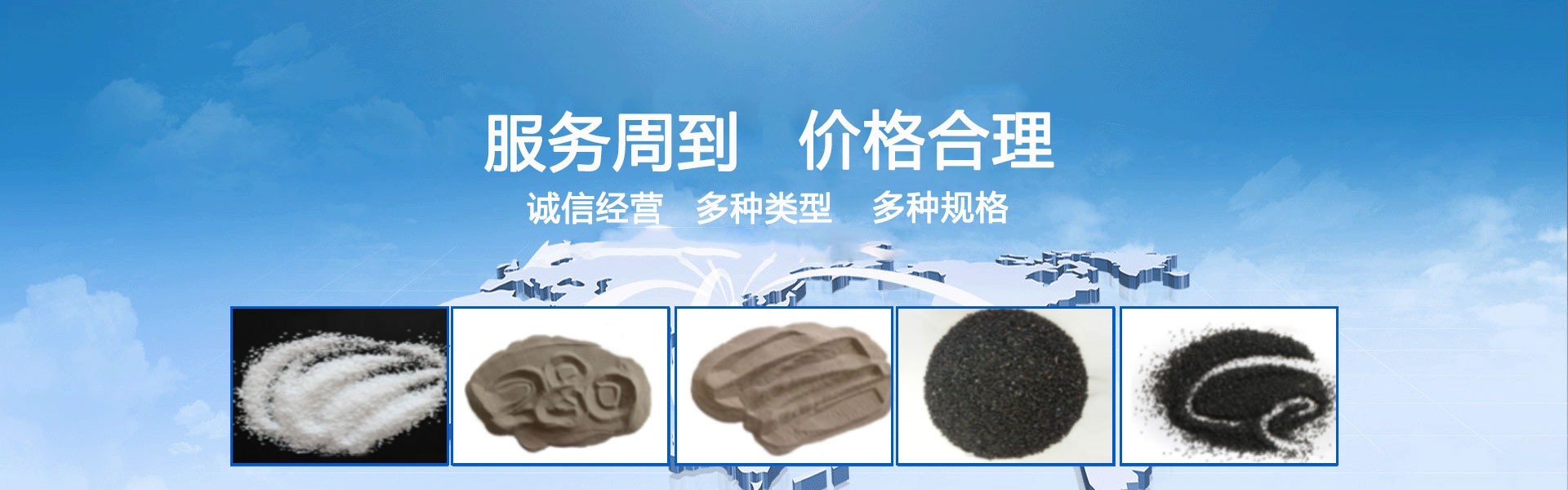
Brown corundum and white corundum are both widely used in industry with a broad range of applications. They are fundamental abrasives, but what are the main differences between the two in actual use? We will delve into a detailed understanding from aspects such as raw materials, applications, and composition below.
1. Raw Materials Differ: Brown corundum is made from bauxite, along with anthracite coal and iron filings. White corundum, on the other hand, is derived from aluminum oxide powder.
2. Applications Differ: Brown fused aluminum oxide is used to produce ceramics, resin high-bond grinding wheels, and for operations such as grinding, polishing, sandblasting, and precision casting, as well as for manufacturing advanced refractory materials. White fused aluminum oxide, on the other hand, is suitable for grinding high-carbon steel, high-speed steel, and stainless steel with fine grain abrasives, and can also be used in precision casting and for advanced refractory materials.
3. Aluminum Oxide Content Variations: Brown fused aluminum oxide contains 94% to 75% aluminum oxide. White fused aluminum oxide has an aluminum oxide content greater than 99.2%.
4. Hardness Variations: The former has a hardness of 8.9 and is suitable for removing burrs and sharp edges from surfaces of metal parts such as stainless steel, carbon steel, and aluminum alloys; the latter, with a hardness of 9.0, boasts strong cutting power and is used for removing burrs and sharp edges from both metal and non-metal materials, providing a polishing effect on the part surface, categorizing it as a medium polishing abrasive.
In addition to the above points, the visible difference between brown corundum and white corundum is color. The former is typically brown-black or brown-red, whereas the latter is generally white.