



 通过中商114认证
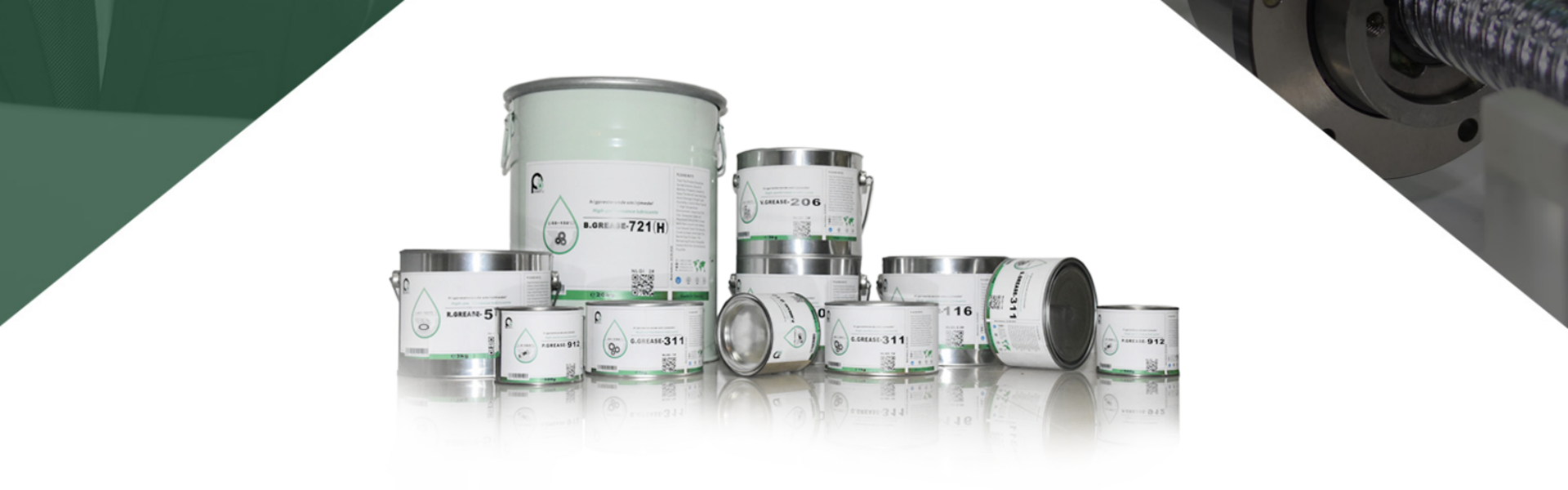
High-temperature grease is made by thickening semi-synthetic lubricating oil with composite soap, and it is enhanced with structural improvers, antioxidant additives, and special anti-wear additives.
High-temperature grease typically falls under the category of synthetic lubricants, containing high concentrations of polytetrafluoroethylene lubricating particles. It boasts excellent resistance to high temperatures and pressure, making it suitable for heavy-duty equipment operating under high temperatures. This fluorinated high-temperature grease is designed for bearings and components that require lifelong lubrication in environments with high temperatures, high loads, and chemical corrosion, thanks to its chemical inertness, durability, and low volatility. The applicable temperature range is from -50°C to +280°C.
Lubrication suitable for various bearings, gears, chains, and other transmission mechanical components in high-temperature environments; lubrication for motors, bearings, and gears in industries such as metallurgy, mining, oil fields, machinery, steel mills, transportation, etc., under high temperatures, heavy loads, and humid conditions; especially suitable for high-temperature bearings, such as: auxiliary boiler rotating nozzle bearings in large chemical plants, plastic extruder sleeve bearings, high-temperature bearings in cracking furnace blowers, recompression compressors, and rolling and sliding bearings of various mechanical equipment operating at higher speeds under high temperatures, including tension machines, hot melt blowers, heat-setting ovens, baking machines, and high-temperature dye tanks.
High-temperature grease consistency:
Under specified shear force or shear speed, the degree of deformation of the high-temperature grease structural system is measured to express the structural nature of the system, which is the concept of consistency.
It is an important performance indicator related to the retention capability and sealing performance of the lubricating grease at the lubricated area, as well as the pumping and filling methods of the high-temperature grease.
High-temperature lubricating grease is used for certain lubrication points due to its specific viscosity, which imparts resistance to loss.
Different high-temperature lubricating greases are suitable for varying mechanical speeds, loads, and environmental temperatures, thus, consistency is a critical indicator for high-temperature lubricating greases.
The consistency grades of high-temperature lubricating grease can be expressed by penetration. Penetration refers to the depth, in (1/10)mm, that a standard cone of specified weight penetrates into the grease sample under specified time and temperature conditions.
The high-temperature lubricating grease standards include the following points:
1. With temperatures exceeding 250 degrees Celsius or higher, it maintains thixotropy and non-sag properties, enabling the lubricant medium to be delivered to or maintained at the lubrication interface.
2. During high-temperature operation, there are no reactions that are detrimental to lubrication (such as coking and carbon accumulation, etc.).
3. If the product is applied to high-temperature moving parts, it should also possess certain lubrication and wear-reduction properties to prevent severe wear on the lubricated components.
