


Infrared Imaging Series
Infrared thermal imaging series includes: A Series Automatic Naming Thermal Imagers; D Series Intelligent Diagnostic Thermal Imagers; S Series Critical Care Thermal Imagers; T Series Helmet-Type Thermal Imagers; C Series Thermal Imagers; M Series Thermal Flow Monitoring and Control Systems; and Infrared Database Management Systems. They are widely applicable in power, fire protection, tobacco, oil, petrochemical, automotive, construction, scientific research, aerospace, and other fields requiring temperature monitoring.
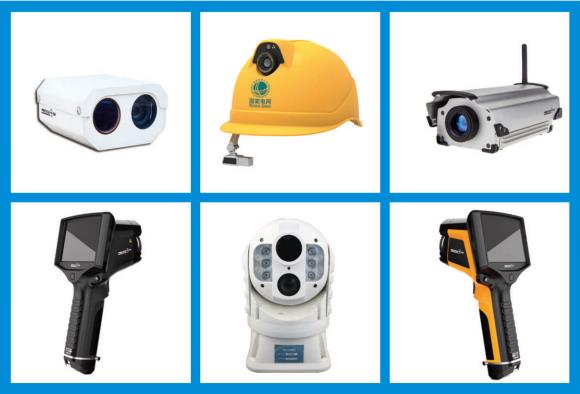
Thermal Imaging Camera Product Technical Features
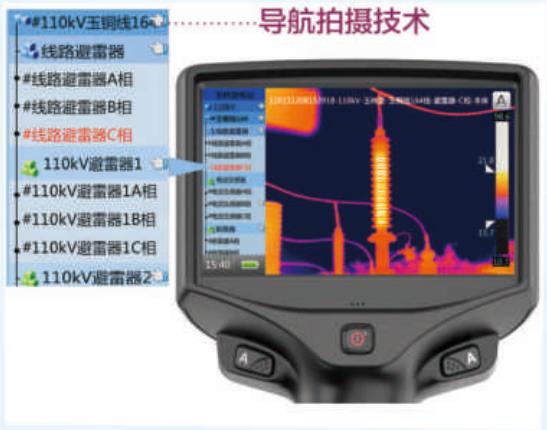
Navigation shooting technology
Preload the equipment account into the thermal imager's embedded database, displaying the equipment list on the shooting interface. Shoot in a pre-set order or randomly. Manually or automatically switch to the required equipment for shooting. The shooting and collection speed is over 3 times faster than conventional thermal imagers.
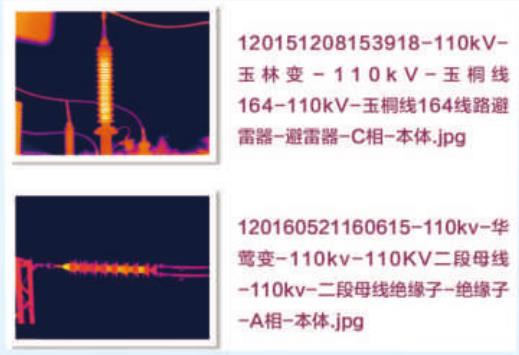
Generate automatic naming thermal image files based on equipment information
During operation of the thermal imager, the thermal image files can be automatically named according to the selected equipment name, especially those with equipment information keywords, facilitating batch processing. This fully complies with the format requirements of PMS and other management systems, eliminating the need for manual organization and enabling efficient management.
Infrared Database Technology
By quickly querying, retrieving, and calling data from the database, we fulfill various daily work needs, fully demonstrating the convenience of thermal imaging data management. This has increased management efficiency by hundreds of times, achieving lean management.
Baseline Image Registration Technology
The baseline image is established based on the standard thermal image of the equipment, featuring standard size and location elements, semi-transparently overlapping the infrared image on the screen as a reference during shooting. Regardless of different personnel taking the shots, the dimensions, angles, and positions of the captured thermal images are very standardized. Thermal imagers using this technology make it convenient for subsequent intelligent diagnostics and batch processing of captured thermal image files.
Automatic Regional Analysis Technology
The analysis area appended to the baseline image can be automatically set in the thermal imager, which avoids the labor and variability associated with manual setting of the analysis area. Moreover, it can be more comprehensive, detailed, and standardized than the area manually set.
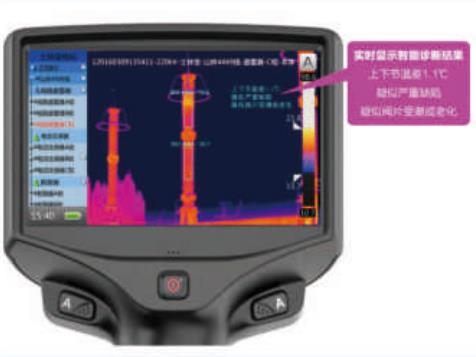
Real-time intelligent diagnostic technology
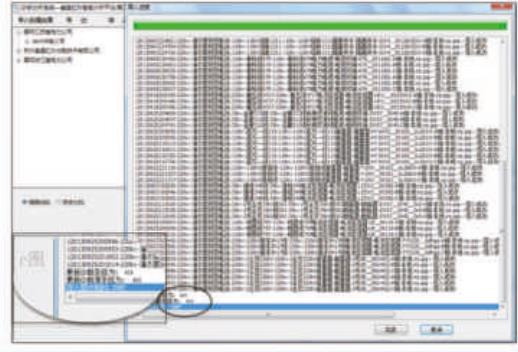
On the thermal imager's screen, the results of the real-time intelligent diagnostics are displayed. The diagnostic rules can be pre-configured strictly based on power engineering guidelines or according to the user's specific requirements, ensuring the accuracy of the diagnostics. They are particularly intuitive and easy to understand, and will not miss any equipment issues due to human factors.
Batch processing
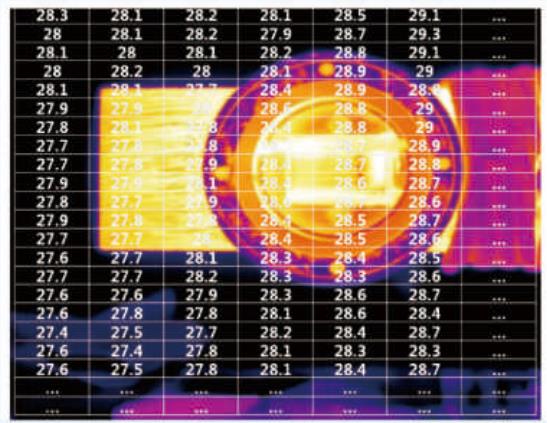
In the infrared database, automatically invoke relevant analysis formulas, analysis frames, diagnostic rules, and other related data through keywords in the thermal imaging file device name for batch processing.
Full-Pixel Temperature Flow Technology
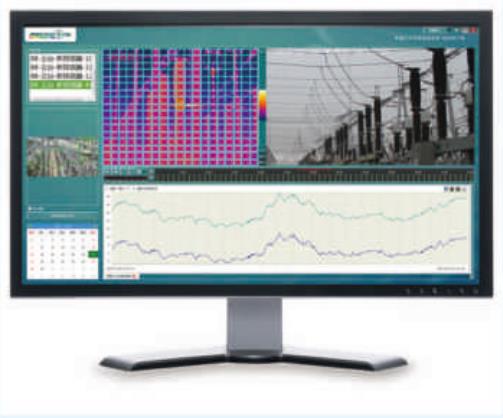
The temperature field analysis of the target object is conducted using dynamic thermal imaging, which encompasses a vast amount of temperature flow data. This allows for a comprehensive understanding of the temperature field's trend and process changes, and by accessing the stored dynamic temperature flow files, analysis data for dynamic temperature at any point and frame can be obtained.
Array-based alarm technology
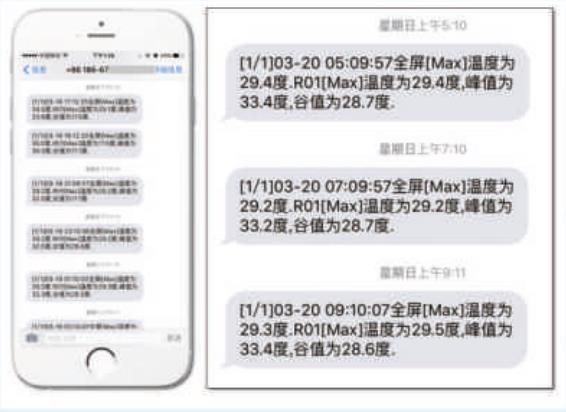
Temperature Flow Monitoring System, supports setting arrayed alarm zones, capable of placing up to a thousand alarm zones within a single field of view: each alarm zone can be set with an independent alarm temperature. This ensures that even with a large number of targets with varying operating temperatures within the field of view, false alarms and missed alarms are minimized.
