

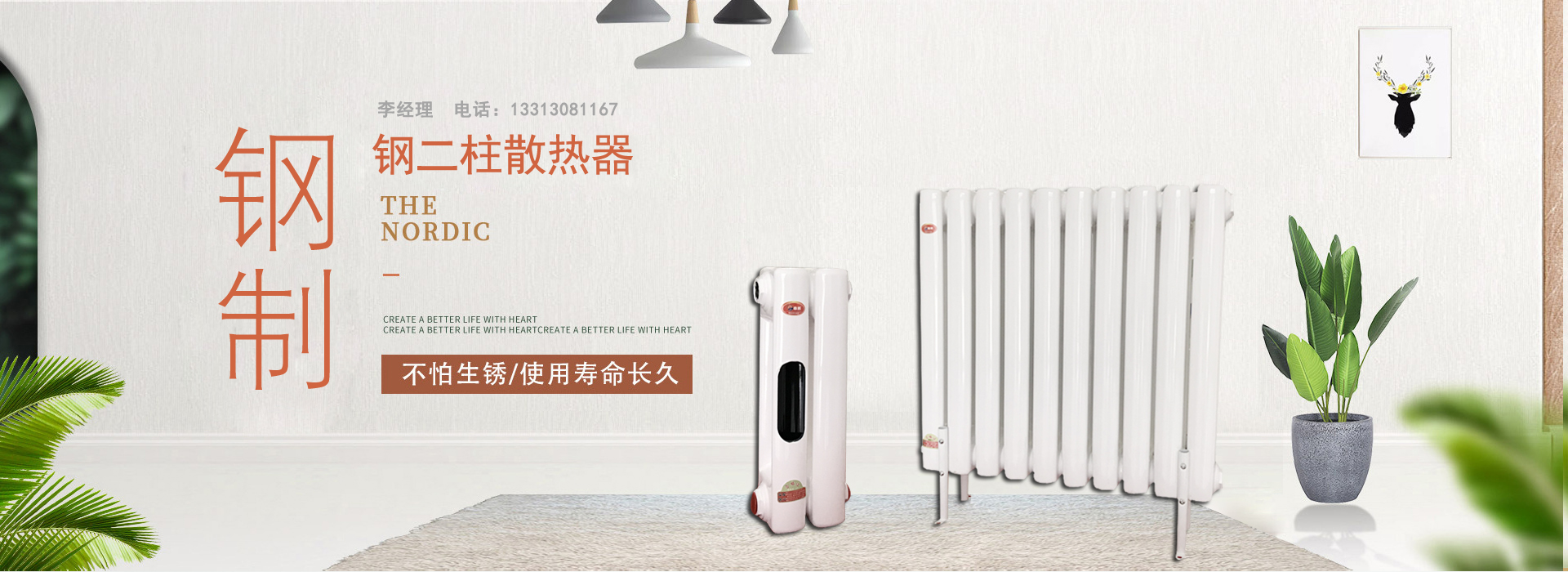
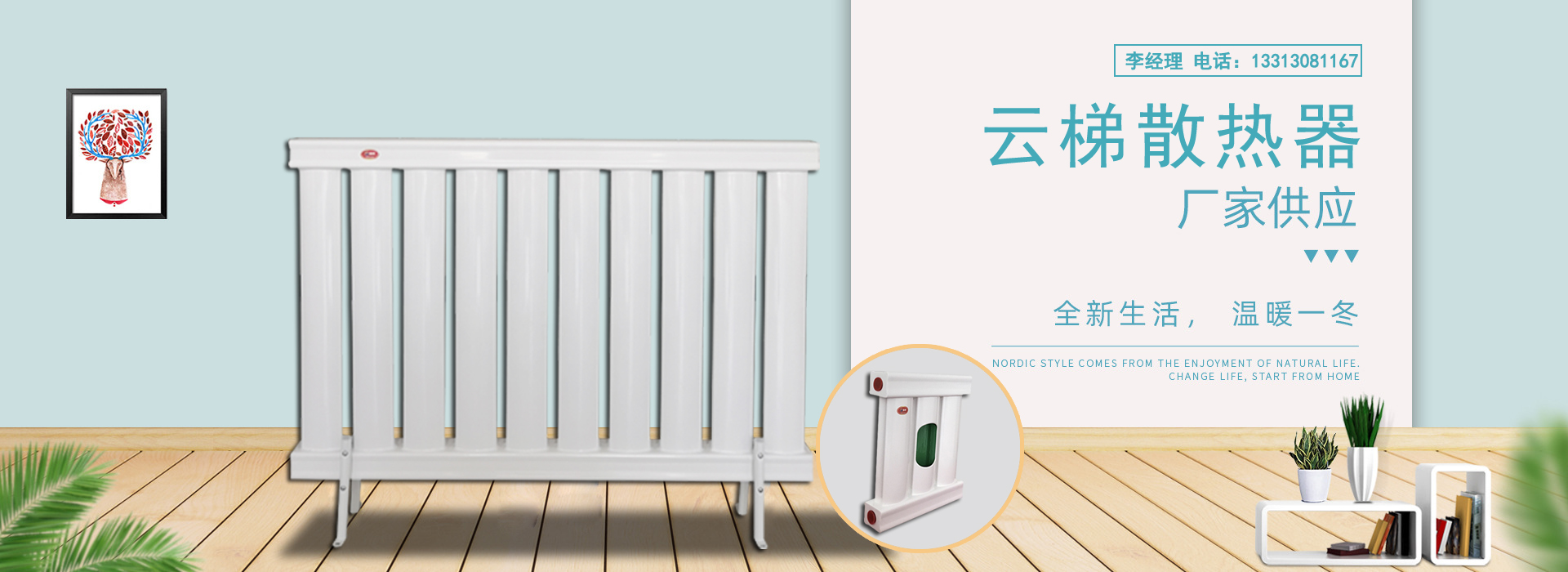
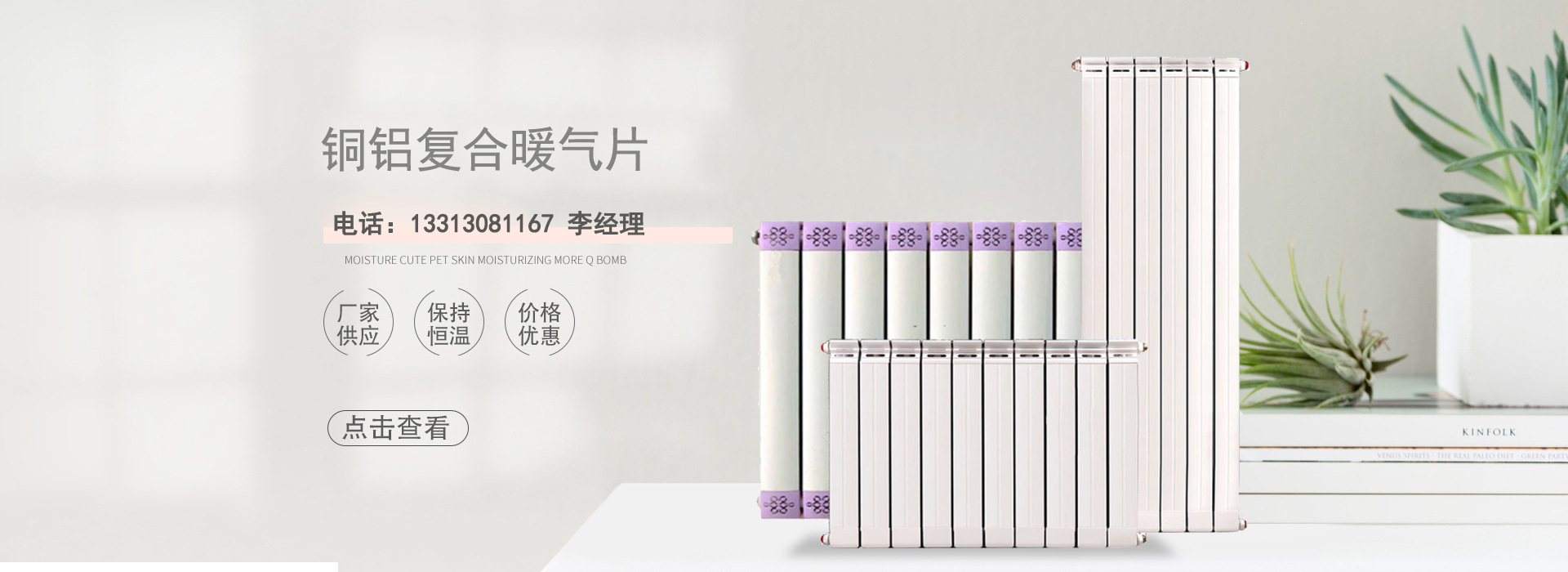

RadiatorsHeating equipment commonly used during winter. Radiators vary in their heat dissipation performance and corrosion resistance due to different materials. Radiators can be categorized by material into steel radiators, copper-aluminum composite radiators,Stainless Steel and Aluminum Composite Heat SinkThese radiators made of such materials must be regularly maintained and serviced during use to reduce corrosion and extend their lifespan.
What does the daily maintenance and care of the radiator entail? Below is a brief introduction.
Surface Maintenance and Care for Radiators
During the installation and use of radiators, it is crucial to protect them from external impacts to prevent surface damage from hard objects or scratches. If the protective layer on the surface is compromised, corrosion and leakage can easily occur. Therefore, if the radiator surface is accidentally damaged, it should be repaired promptly to avoid localized oxidation corrosion and extend the radiator's lifespan.
Maintaining and servicing radiators during the heating season
If you're not living at home during the winter and the heater is not in use, it's recommended to drain all the water from the heater to prevent freezing and reduce corrosion on the unit. In case of uneven heating, it might indicate air in the pipes. You can open the air vent to release the gas until it's completely排出,and then close the vent when water starts to溢出.
Maintaining and Servicing Radiators During Non-Heating Season
During the non-heating season following winter, wet maintenance can be employed to prevent oxygen corrosion of radiators and related components. This means that when heating is not in use, the water inside the radiators should not be drained and should remain filled within the radiators. If it cannot be ensured that the radiators are fully protected by water, then all the water inside the radiators should be completely drained, and it is strictly prohibited to leave any residual water in the radiators.
