

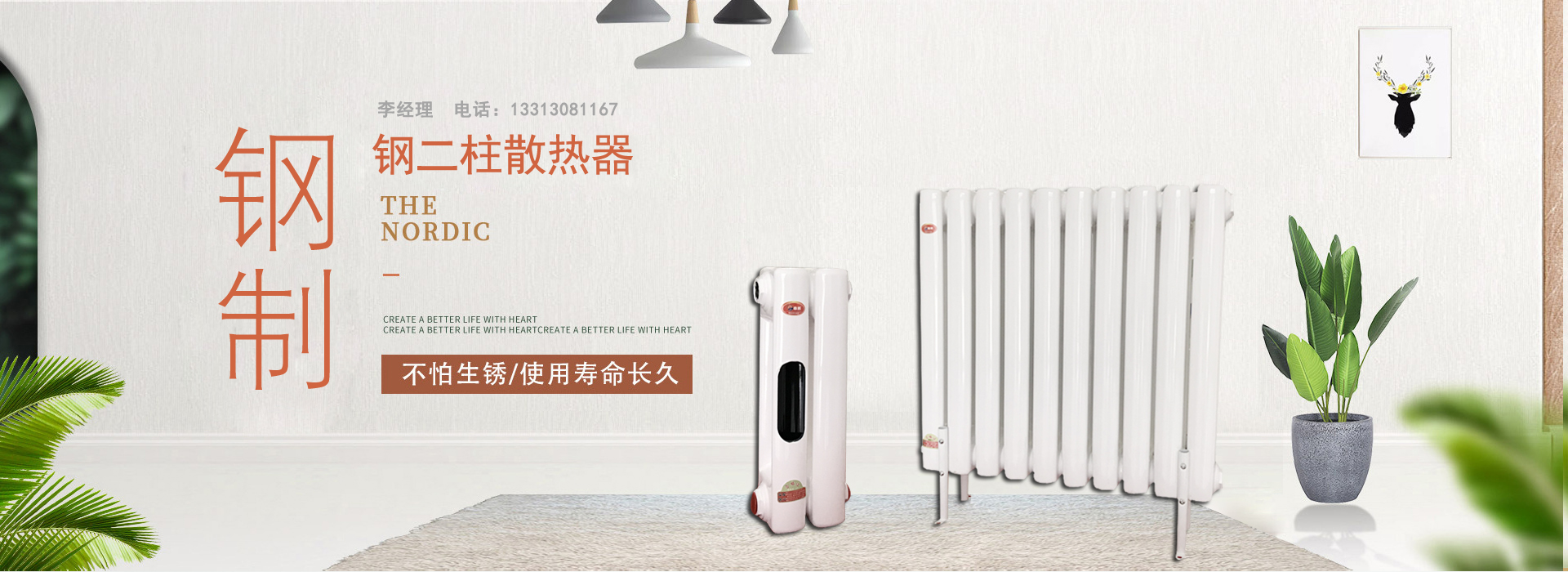
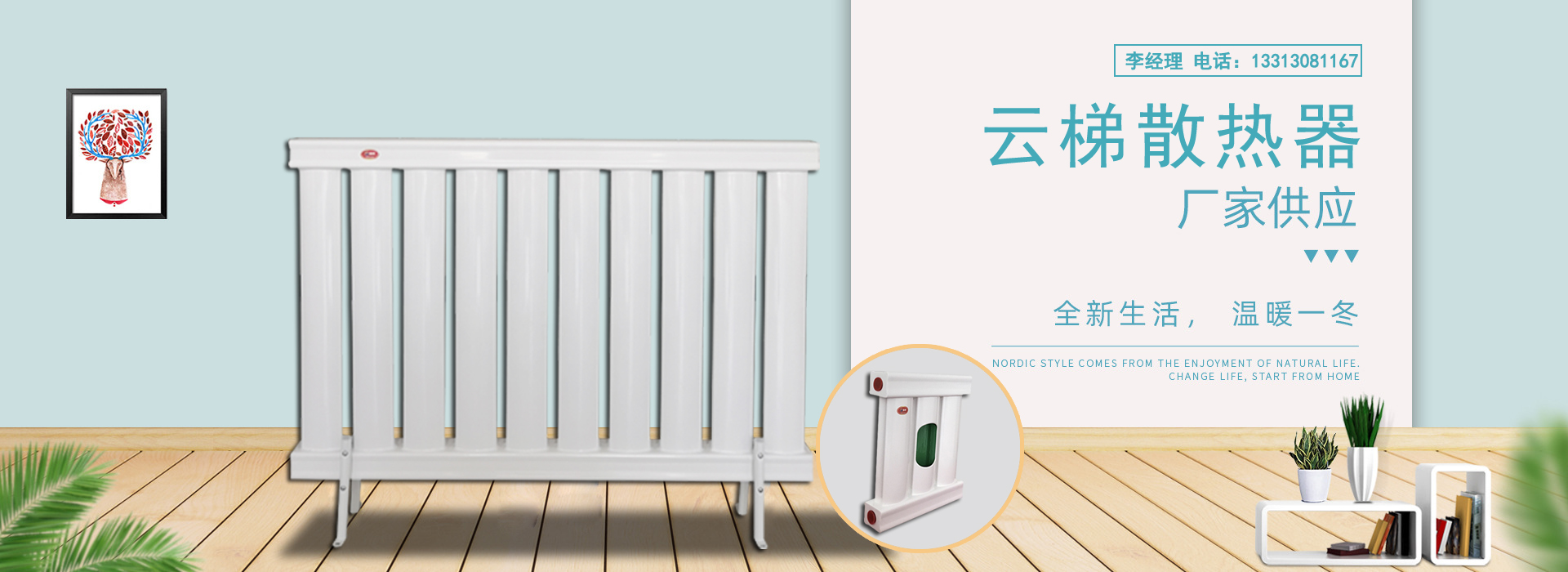
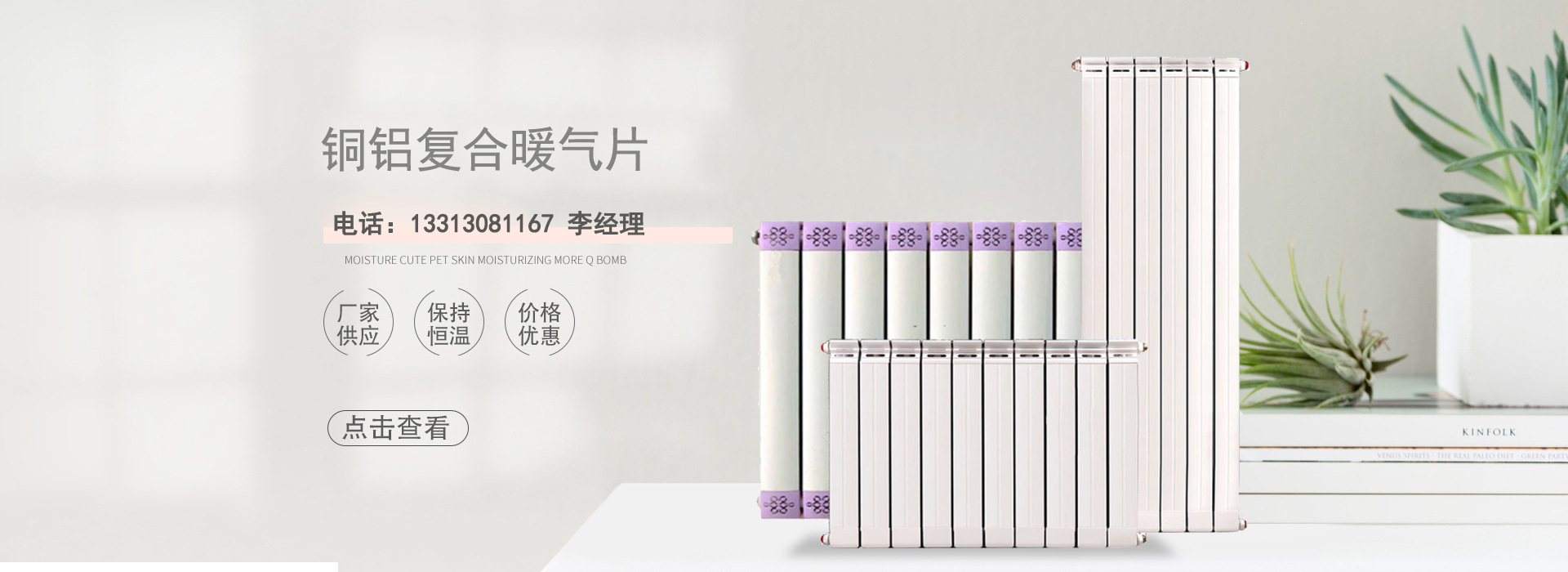

Heaters are commonly used for winter heating. There are various types of heaters, generally categorized by material.Steel radiatorIn our range of heat exchangers, including copper-aluminum composite and steel-aluminum composite models, each material type offers unique performance characteristics and application scopes. Customers can select the most suitable heat exchanger based on their specific needs. What are some tips and practical methods for choosing a heat exchanger? Below is a brief introduction.
Choose the right radiator brand
When selecting a radiator, it's crucial to choose one from a reputable manufacturer. Opt for a well-known brand, as only radiators produced by authorized manufacturers can guarantee quality and reliable service. For instance, Juzhong Heating is such a supplier; feel free to confidently select and use their products.
Two: Purchase Locations
When selecting a radiator, it's best to purchase from reputable malls or direct stores, rather than small stalls, as this ensures product quality and service. Top shops can even provide professional installation and after-sales support.
Choose the appropriate radiator material
The thermal conductivity of heat sinks varies depending on the material used, with copper being the best in terms of heat efficiency, followed by aluminum, then steel, and lastly, plastic. Naturally, the material choice affects the price of the heat sink, so it's important to select a material based on your specific needs.
Section 4: The Use of恒温Control Valves
The role of the thermostatic control valve is to regulate room temperature and save energy. However, to fully utilize its function, it is essential to choose a radiator with good heat dissipation and high thermal efficiency for installation. Otherwise, it will be difficult to achieve the desired temperature control effect.
