
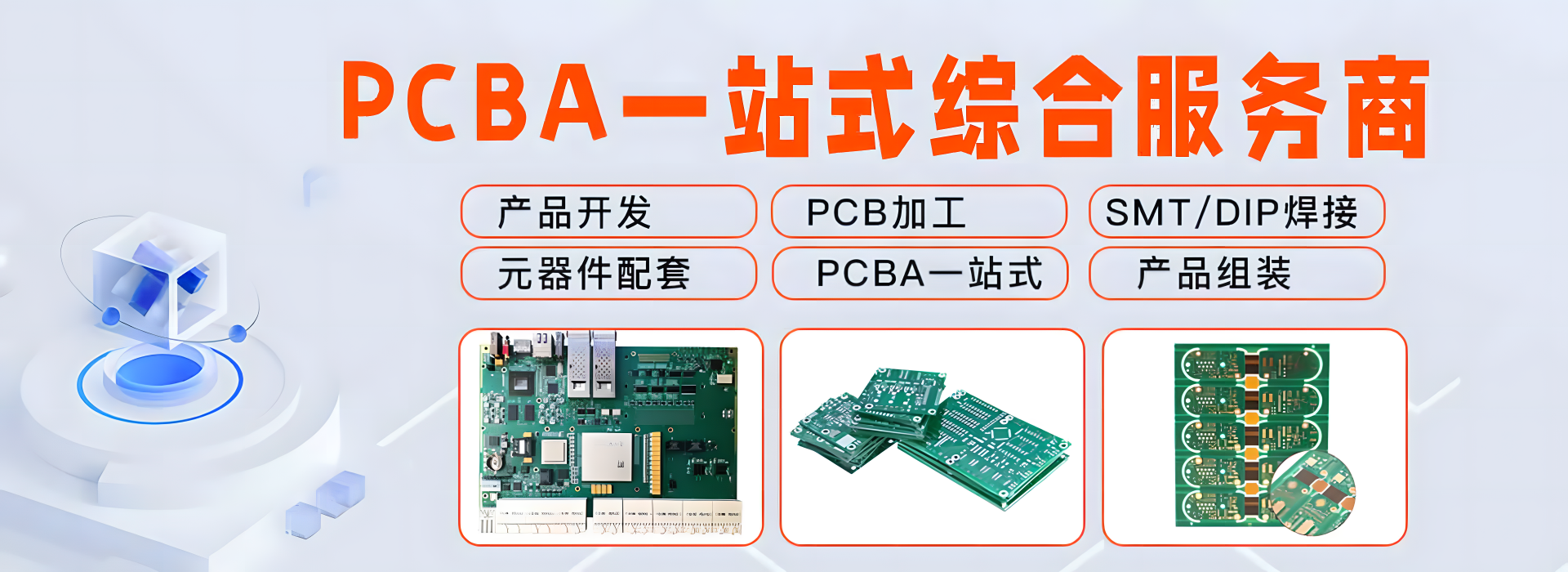
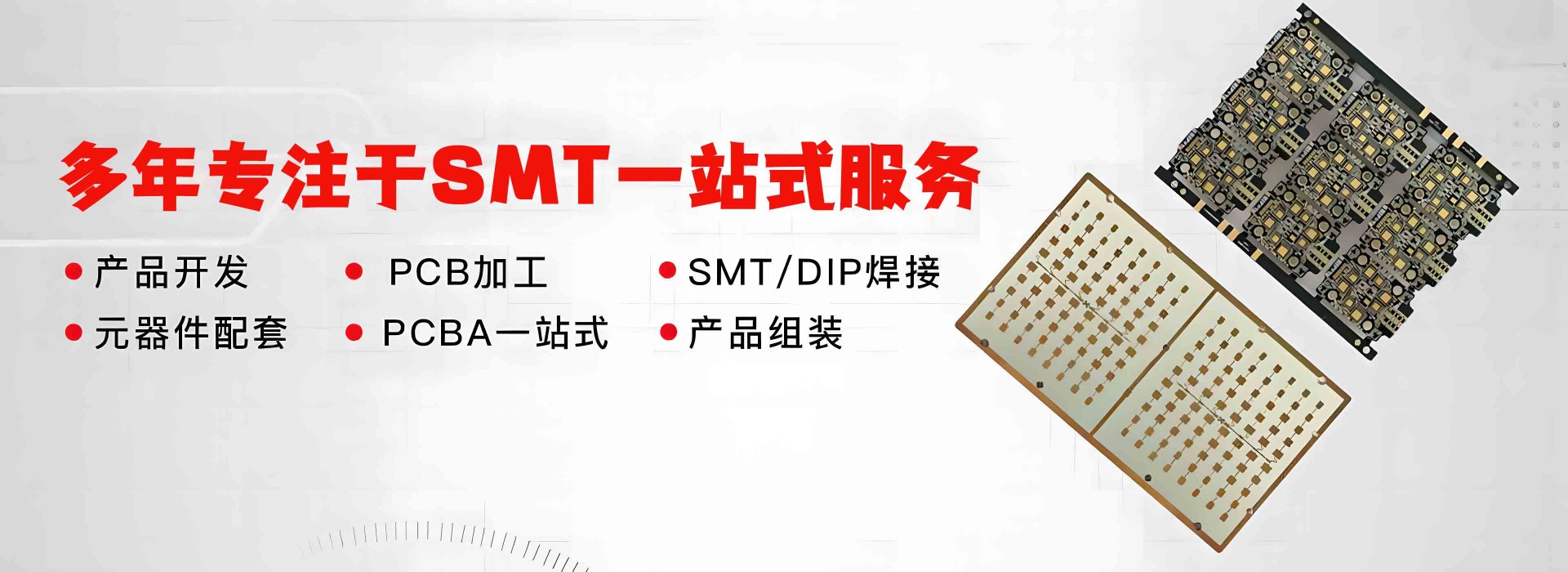
PCB (Printed Circuit Board), commonly referred to as the printed board, is a crucial component in the electronics industry. Virtually every electronic device, from small ones like electronic watches and calculators to larger ones such as computers, communication electronics, and weapon systems, requires PCBs for electrical interconnections among integrated circuits and other electronic components. PCBs consist of insulating substrates, connecting conductors, and pads for assembling and soldering electronic components, serving both as conductive pathways and insulating bases. They can replace complex wiring, facilitate electrical connections between circuit components, simplify assembly and soldering processes, reduce wiring labor, and significantly ease workers' burdens. Moreover, PCBs help shrink the overall size of the device, lower production costs, and enhance the quality and reliability of electronic equipment. They offer excellent product consistency, allowing for standardized designs that promote mechanization and automation during production. Additionally, fully assembled and debugged PCBs can serve as independent spare parts, facilitating product interchangeability and maintenance. Currently, PCBs are widely used in the production and manufacturing of electronic products.
Printed circuit boards (PCBs) were initially based on paper substrates with copper foil. Since the emergence of semiconductor transistors in the 1950s, the demand for PCBs has surged. Particularly with the rapid development and widespread use of integrated circuits, electronic devices have become increasingly compact, with higher circuit routing density and complexity. This necessitates continuous updates for PCBs. Currently, PCB types have evolved from single-sided to double-sided, multi-layer, and flexible boards; structures and quality have advanced to ultra-high density, miniaturization, and high reliability levels. New design methods, materials, and manufacturing processes are constantly emerging. In recent years, various computer-aided design (CAD) PCB application software has become widespread in the industry, and in specialized PCB manufacturers, mechanized and automated production has completely replaced manual operations.
Processing Capability:
zui
| Sample | Bulk | |
Layer | 2-44L | 2-58L |
Sheet thickness | 0.5-17.5mm | 0.6-10mm |
Smallest mechanical aperture | 0.1mm | 02mm |
3mil | 4mil | |
HDI Type | l+n+l、 2+n+2、3+n+3 | 1+n+l、 2+n+2 |
zuiFine Line Width & Spacing | 3/3mil | 4/4mil |
Impedance Control | +/-5% | +/-10% |
zuiLarge copper thick | 12oz | 6oz |
zuiLarge plate, thick hole diameter ratio | 18:1 | 16:1 |
zuiLarge plank dimensions | 650mm X 1130mm | 610mm X 1100mm |
Lumber | FR4/Hi-Tg/Rogers/Halogen-Free/Rcc/PTFE/Nelco/Mixed Pressure Material | |
Surface Treatment | HASL HASL PB FREE | |
| Special Processing | B埋 blind holes, step grooves, metal substrates, embedded resistors, embedded capacitors, mixed pressure, soft-hard combination, back drilling, etc. | |