
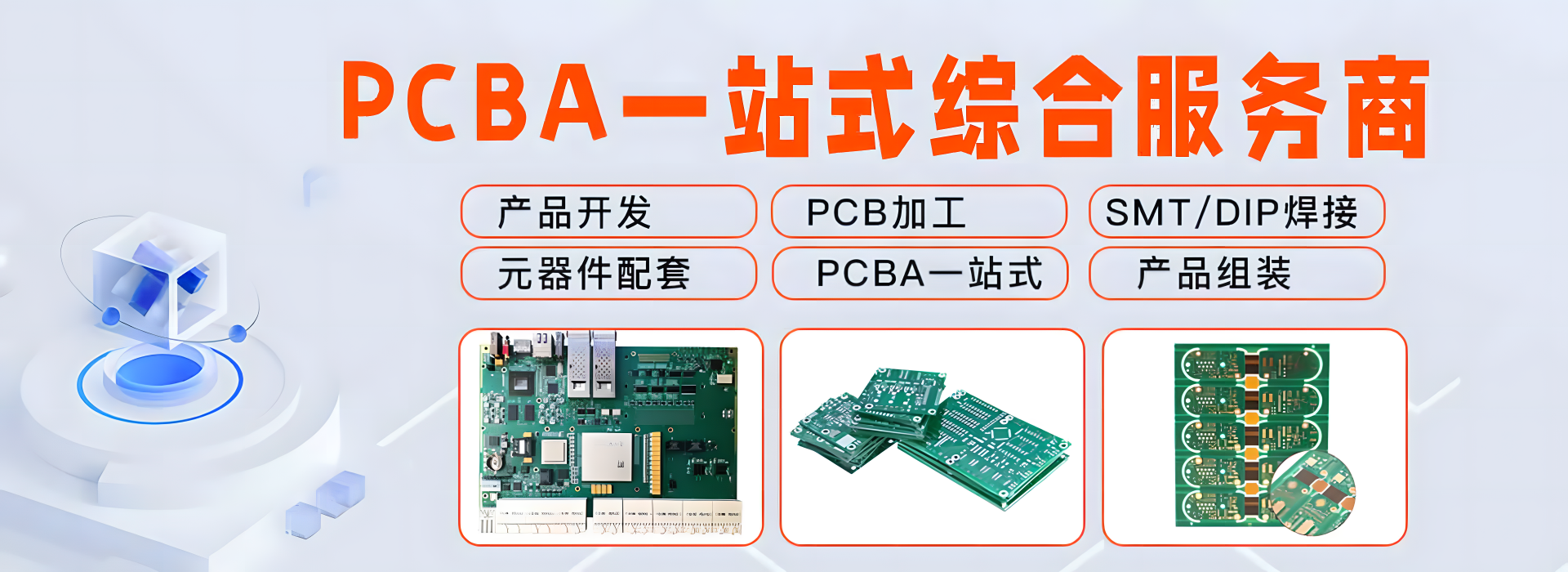
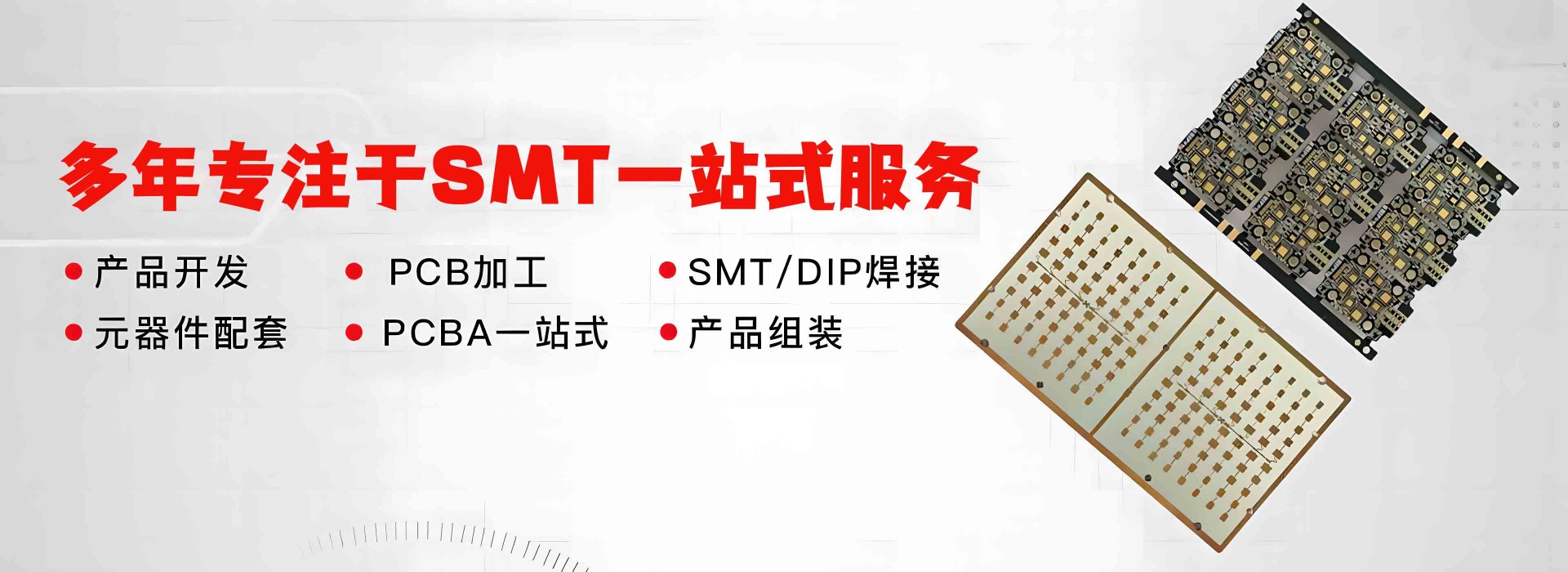


The assembly process for electronic products involves first assembling components and electronic parts into sub-assemblies, and then integrating these sub-assemblies into the complete unit. The core task is to assemble electronic components into functional circuit board sub-assemblies, also known as PCBA components.
In PCB assembly, it can be categorized into two types: machine assembly and manual assembly. Machine assembly primarily refers to automatic surface mount technology (SMT), through-hole assembly (AI), and automatic welding, while manual assembly includes hand insertion, hand rework, repairs, and inspections.
Production preparation involves shaping raw materials and components that will be used in production, such as trimming component leads, bending them into the required shapes, cutting wires to the necessary lengths, and installing plug terminals, etc. These tasks must be completed before the assembly line begins operation.
Automated SMT placement involves attaching surface mount device (SMD) components to a printed circuit board (PCB) using SMT technology, and then securing them in place with reflow soldering.
Boards with surface-mounted components are fed to an automatic placement machine. The machine will insert the mountable components into the corresponding positions on the board. After preliminary bending and securing by the machine, they can be handed over to the manual assembly line.
Manual assembly of components unsuitable for machine insertion or placement, followed by inspection, then焊接 in wave soldering machines or immersion furnaces. Any不合格 portions on the circuit boards after soldering are manually repaired and resoldered. Subsequently, the boards undergo ICT static testing, functional performance testing and tuning, as well as visual inspections. Circuit boards passing these procedures are ready for final assembly.
Product Assembly
