

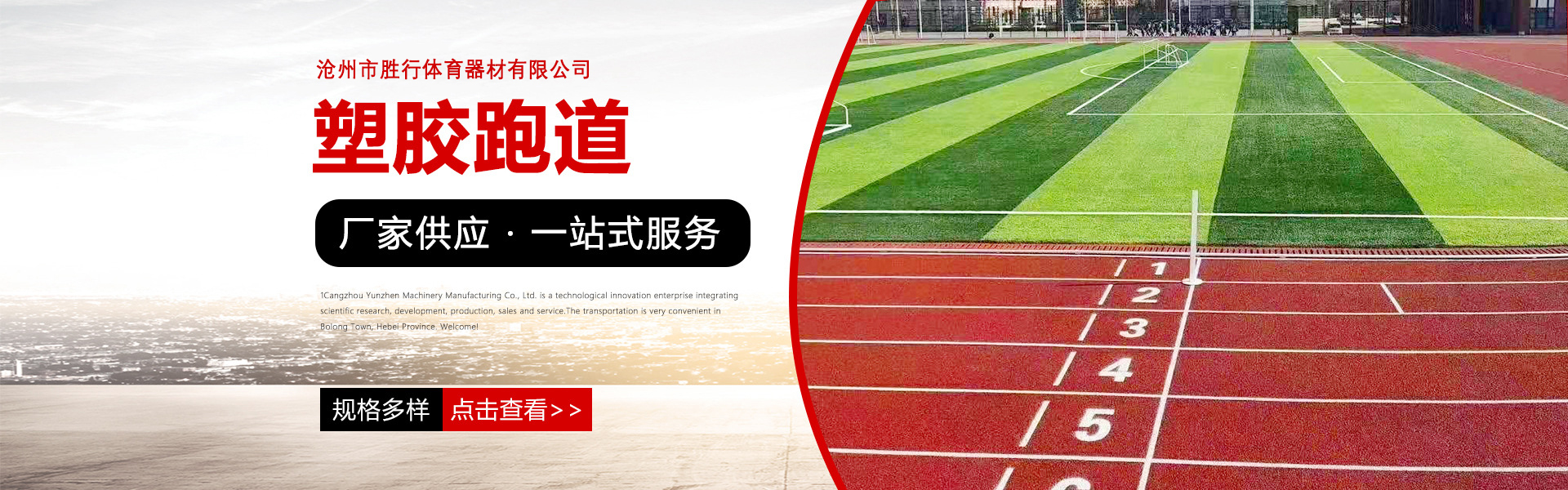
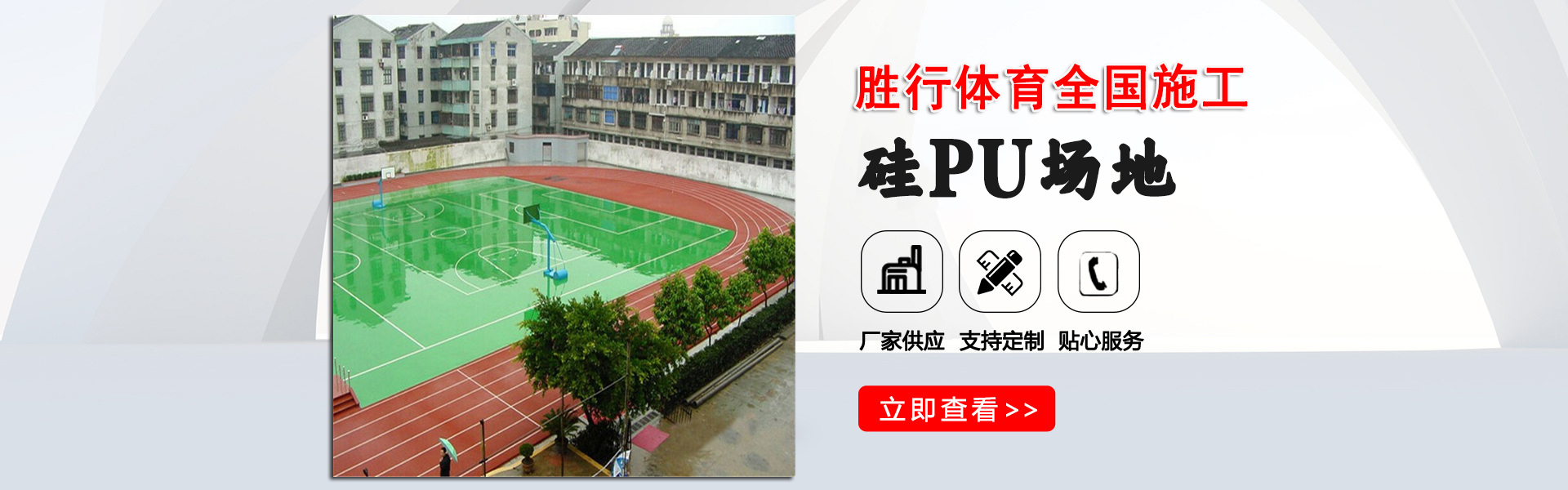

Firstly, if such plastic track applications are used on plastic basketball courts, it is recommended that all athletes should train in regular sports shoes, soft rubber sneakers, or canvas shoes; all these options are acceptable as they do not affect the entire track. This is because the soles are soft and also provide a certain level of protection for the sport. Additionally, vehicles are prohibited on plastic basketball courts to avoid intense impacts and friction. This is a point that plastic track manufacturers emphasize when installing the track. Generally, only athletes are allowed on such surfaces, and the edges of the basketball court should be protected, preventing any casual movement. If any damage is found, it should be reported to the plastic track manufacturer immediately for maintenance. Throughout the use, it is crucial to avoid contact with organic solvents or chemicals; this is usually achievable as the track is accessible only to athletes or those who wish to play. Moreover, it is essential to maintain cleanliness. Currently, most plastic track materials are self-cleaning, so this concern can be mitigated. Additionally, be mindful of smoking, chewing gum, or consuming sugary drinks, as these can potentially damage the material's inherent properties.
In fact, whether it's schools or some venues, if synthetic tracks are used, proper maintenance and care should be taken to extend their lifespan. Without protection, they may suffer certain damage. Therefore, synthetic track manufacturers also recommend that special attention should be given to the maintenance and care of the entire synthetic track.


