
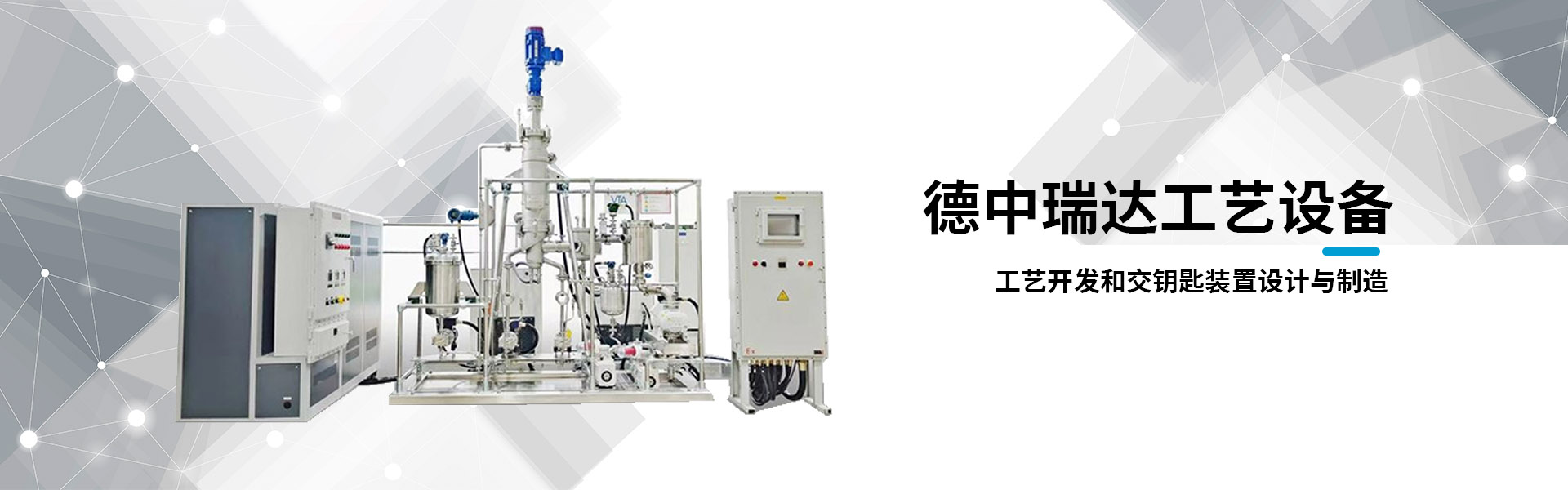
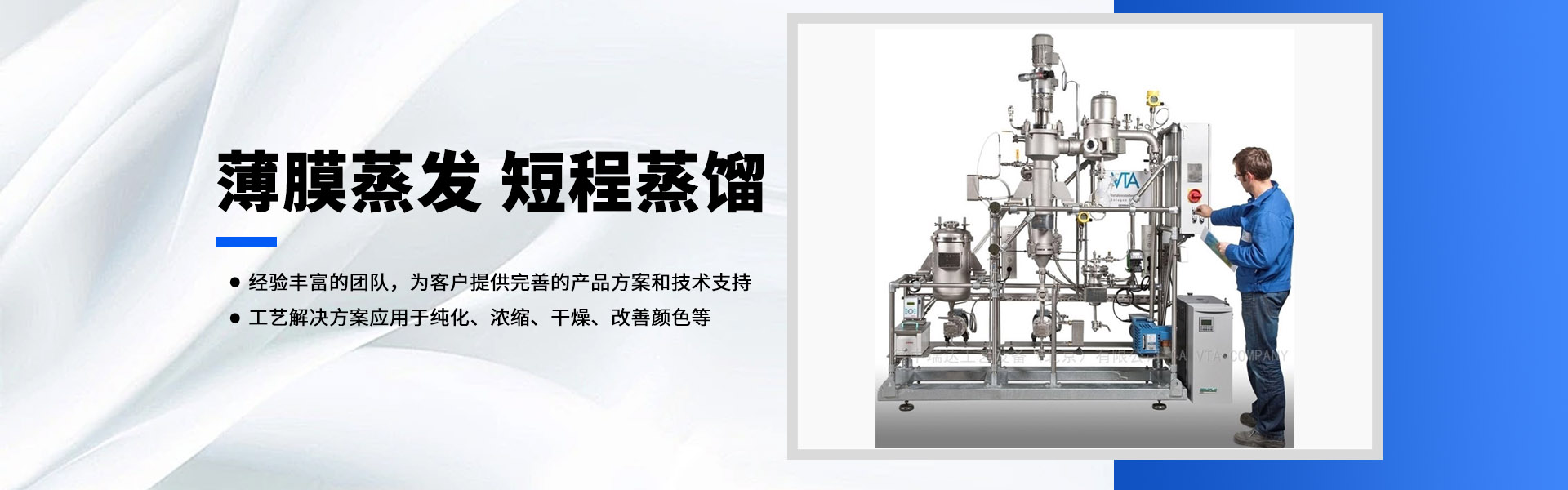
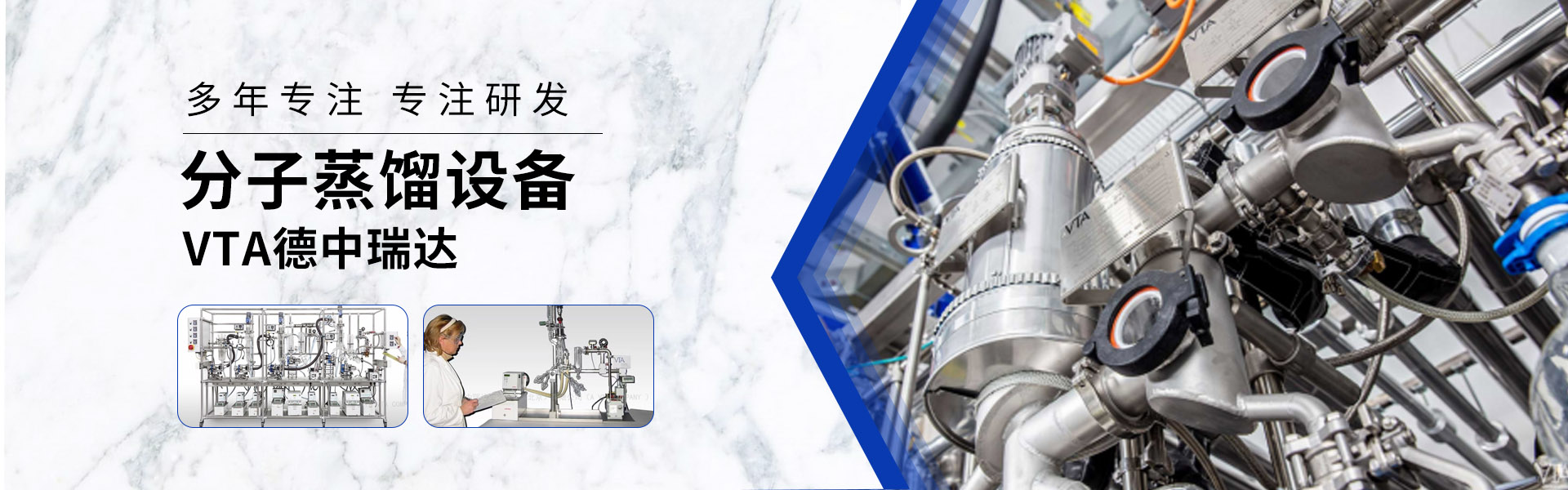

In industries such as chemicals and food, a薄膜蒸发器 is an efficient device used for concentrating solutions. By forming a thin film of solution on its surface, it increases the evaporation area to enhance the evaporation process, thereby rapidly evaporating the solvent at lower temperatures. So, is the saying "the more feedstock, the better" for薄膜蒸发器 accurate? Let's delve into this issue and analyze its impact on the evaporator's performance.
Firstly, we need to understand the working principle of the thin-film evaporator. This device typically consists of a heating unit and a condensing unit, where the solution is distributed over the heating surface in the heating unit, forming a thin liquid film. Due to the thinness of the film, the heat transfer efficiency is high, allowing the solvent to evaporate rapidly. Therefore, theoretically, increasing the feed rate seems to enhance the equipment's operational efficiency.
However, in reality, the notion that "the more raw materials you have, the better" is not entirely correct. Here are several key considerations:
1. Heating and Cooling Capacity: The equipment's heating and cooling system is designed with high load-bearing capacity. If the feed rate exceeds the system's heat exchange capability, it may lead to a decrease in evaporation efficiency and potentially cause overheating of the equipment, affecting its normal operation and service life.
2. Liquid Film Control: The efficiency of a thin-film evaporator largely depends on the uniformity and thickness of the liquid film. An excessive feed rate can result in an overly thick liquid film, reducing heat transfer efficiency and diminishing the effective evaporation area, thereby weakening the equipment's evaporation performance.
3. Product Quality: Excessive feeding speed may affect product quality in certain applications. For instance, in the food industry, overly rapid evaporation could lead to product denaturation or damage.
4. Economic Considerations: Increasing raw material volume implies stronger material handling capacity and higher energy consumption. This does not necessarily translate to improved economic benefits, as the increase in energy use may offset the gains from enhanced throughput.
5. Equipment Scale and Design: Different film evaporators are designed to handle specific ranges of feedstock volumes. Feedstock volumes exceeding the design range may cause the equipment to malfunction or even be damaged.
In summary, while increasing the feed rate of the film evaporator may enhance the processing capacity of the equipment in some cases, it is crucial to consider the actual operational limitations and potential negative impacts. Therefore, the misconception that "the more feed rate, the better" must be avoided. The correct approach is to optimize the feed rate based on specific applications, equipment specifications, and process requirements, ensuring the equipment operates optimally while maintaining product quality and economic benefits.
