
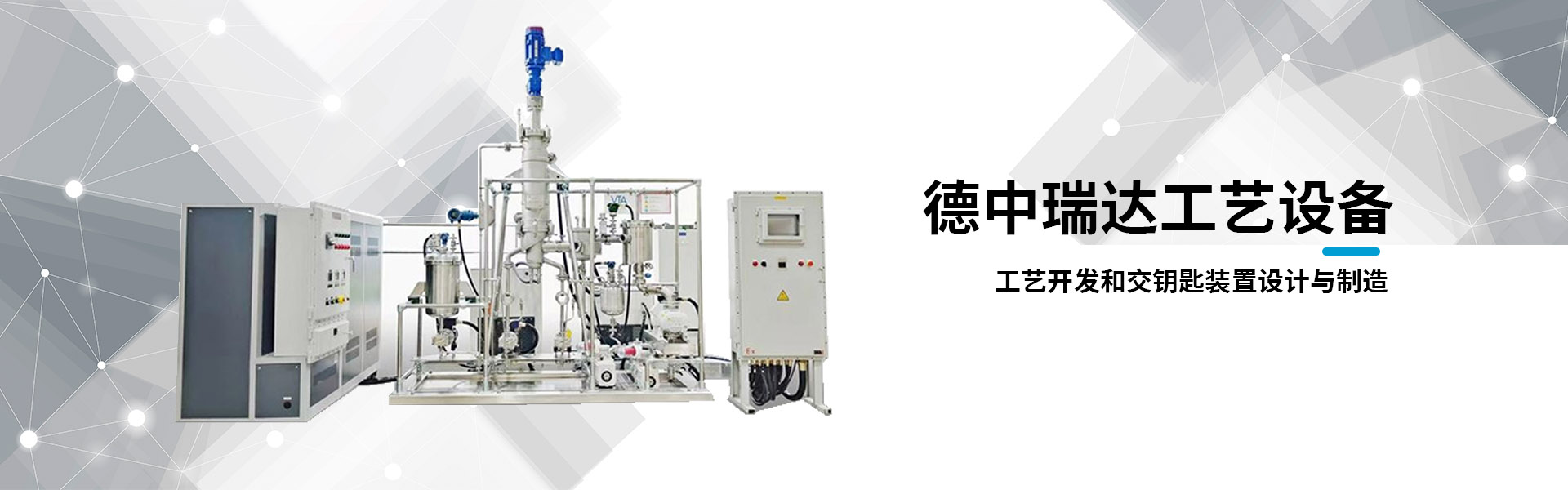
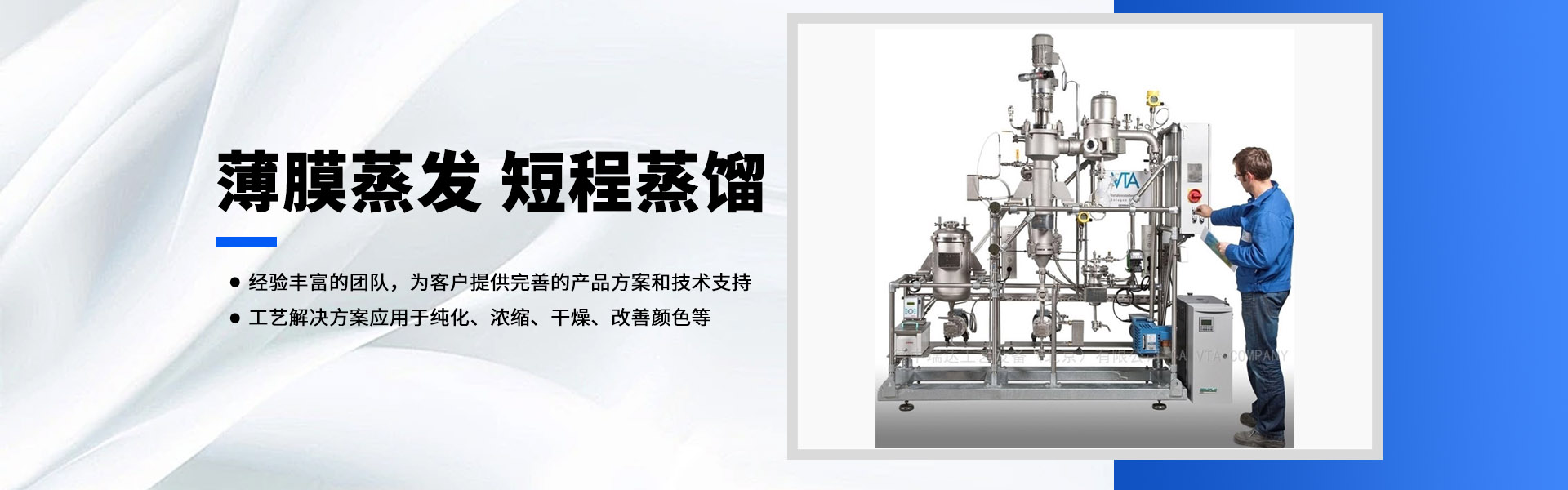
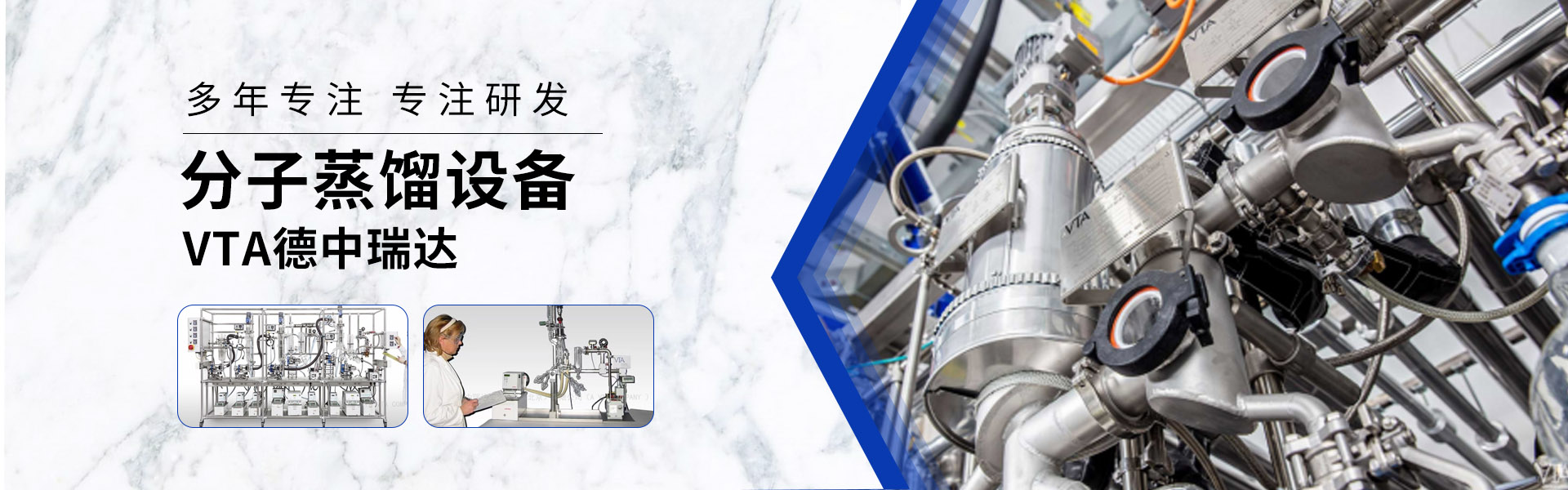

In the chemical and food industries,Pilot-scale Film Evaporation EquipmentA crucial piece of equipment for efficiently evaporating solvents from solutions. To ensure the optimal performance of the membrane evaporator and the quality of the product, controlling the appropriate feed rate is a critical factor. This article will discuss how to determine the feed rate for a membrane evaporator and analyze the various factors that influence this parameter.
The Importance of Raw Material Quantities
The feed rate directly impacts the evaporation efficiency, product quality, and operating costs of the pilot-scale film evaporator. Excessive feed rate can lead to extended residence time of the solution within the evaporator, increasing energy consumption and the risk of product thermal decomposition; conversely, insufficient feed rate can result in low production efficiency and even affect the uniformity and stability of the product.
2. Factors to Consider in Determining Raw Material Quantities:
- Material Characteristics: Evaporation rates vary among different materials, so the feed rate needs to be adjusted based on the physical and chemical properties of the solution.
- Evaporation Target: Determine the feed quantity based on the required evaporation concentration and purity to ensure the desired evaporation effect is achieved.
- Equipment Specifications: The design and dimensions of the thin-film evaporator also affect its processing capacity, thus the feed rate should match the equipment specifications.
- Operating Conditions: Factors such as temperature, pressure, and flow rate will affect the evaporation process, requiring corresponding adjustments to the feed quantity.
3. Raw Material Quantity Adjustment Strategy:
- Real-time Monitoring: By installing flow meters and density gauges, etc., real-time monitoring of incoming material volume and solution status is possible for timely adjustments.
-Automation Control: Advanced control systems enable automatic adjustment of feed quantity, enhancing accuracy and repeatability.
- Experimental Optimization: Determine feed quantities under various conditions through experiments, establishing operational curves and databases for reference.
-Cleaning and Maintenance: Regularly clean and maintain the film evaporator to ensure the smooth operation and stable feeding of the equipment.
The feed rate of the pilot-scale film evaporation equipment is a critical parameter that needs to be controlled. By considering factors such as material properties, evaporation targets, equipment specifications, and operating conditions, the feed rate can be determined. Implementing strategies such as real-time monitoring, automated control, experimental optimization, and regular maintenance can effectively regulate the feed rate, enhancing the efficiency of the film evaporator and the quality of the product.
