

In the chemical industry, distillation is a key technology for enhancing purity. While traditional distillation towers are powerful, they suffer from drawbacks such as large equipment, high energy consumption, and complex operation. In contrast, membrane distillation technology is gaining popularity in the field due to its high efficiency, energy-saving, and compact design. This technology separates substances based on their different evaporation rates at specific temperatures, making it particularly suitable for separating and purifying heat-sensitive materials and high-boiling-point substances.
The basic principle of distillation is to allow the liquid to be separated to flow through a thin film after heating. On the other side of the film, a vacuum is drawn or inert gas is swept to enable the liquid components to evaporate under low temperature differences and pass through the film. Subsequently, they condense into liquid in a condenser. This technology is characterized by the ability to perform distillation at pressures far below atmospheric, thereby reducing the risk of thermal decomposition and enhancing product quality.
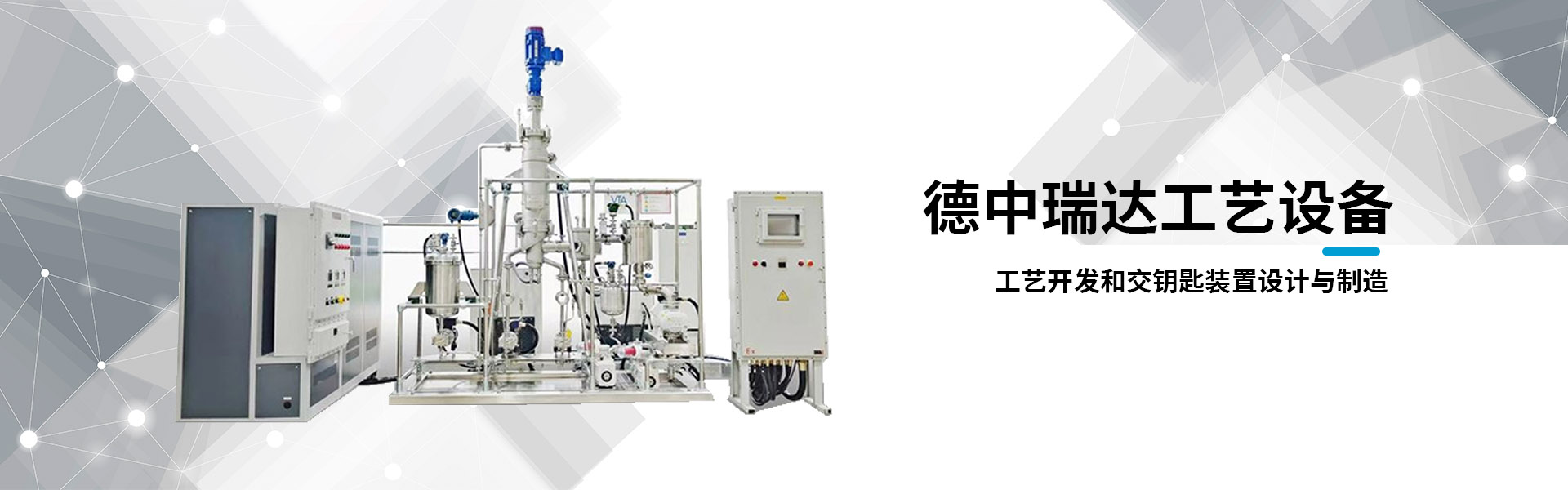
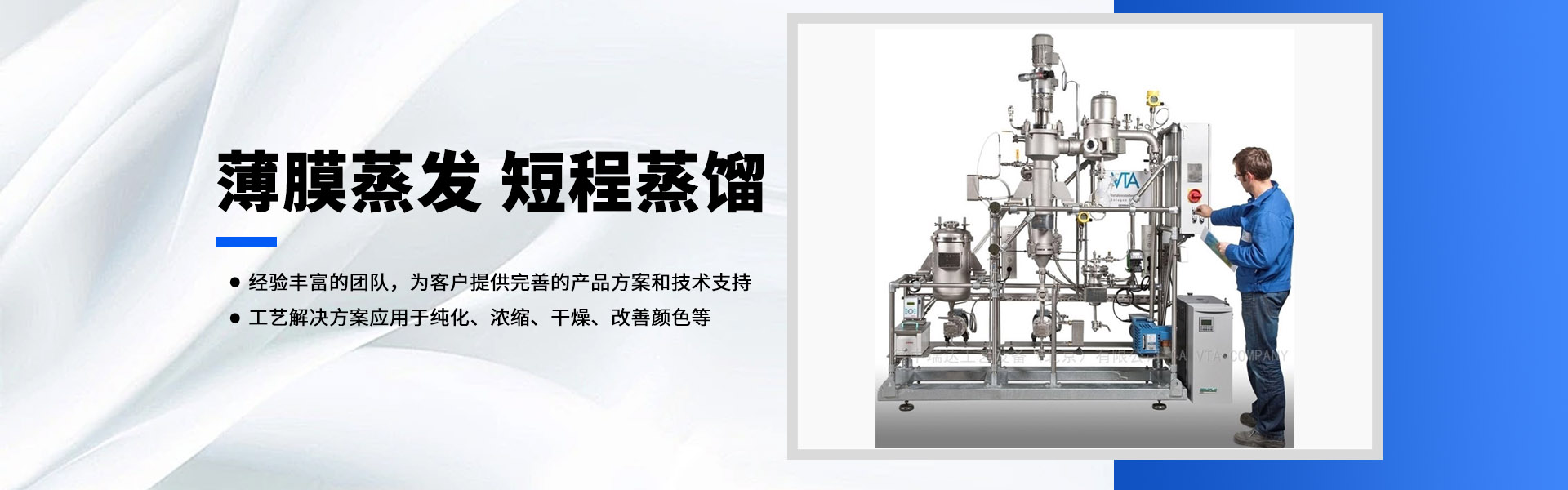
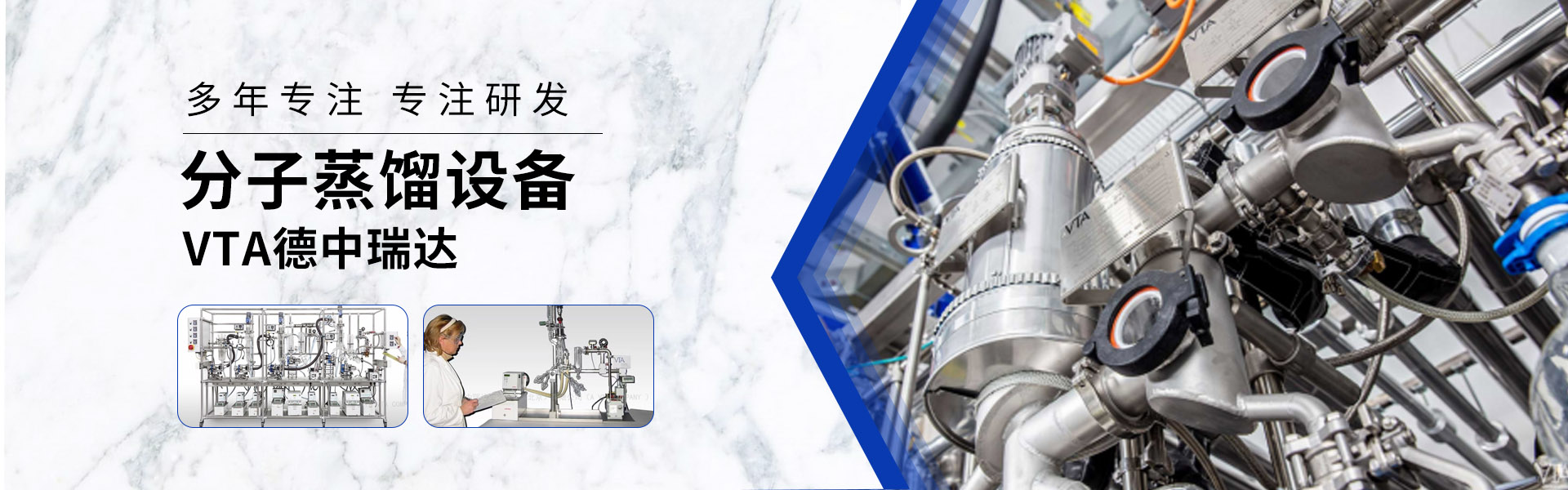
Film DistillationEquipment typically consists of a feeding system, a heating system, a film evaporator, a condensation system, and a vacuum system. Among them, the film evaporator is the core component, usually made of materials like metal or ceramic, offering good thermal conductivity and stability. The evaporator is internally designed with special flow channels to ensure that a uniform film forms on its inner wall, thereby increasing the evaporation surface area and enhancing separation efficiency.
The application of distillation technology is extensive, particularly demonstrating its strengths in the food industry, chemical sector, and environmental protection fields. In the food industry, it is used for extracting aromatic substances and vegetable oils; in the chemical sector, it is employed to separate reaction products and catalysts; in environmental protection, it is utilized for treating organic matter in waste water and waste gases.
As technology continues to advance, distillation equipment is evolving towards higher efficiency, greater economy, and enhanced environmental sustainability. For instance, the introduction of new thin-film materials and evaporator designs is boosting heat transfer efficiency and reducing energy consumption; the implementation of intelligent control systems has made operations more convenient; simultaneously, the integration with other separation technologies is enhancing the economic and feasible aspects of the entire production process.
In summary, as an emerging separation technology, thin-film distillation not only excels in laboratory-scale production but also demonstrates significant potential in industrial applications. Its low energy consumption and high efficiency align with the modern industry's demand for green process technologies, poised to play an even more crucial role in the future of distillation separation.
