
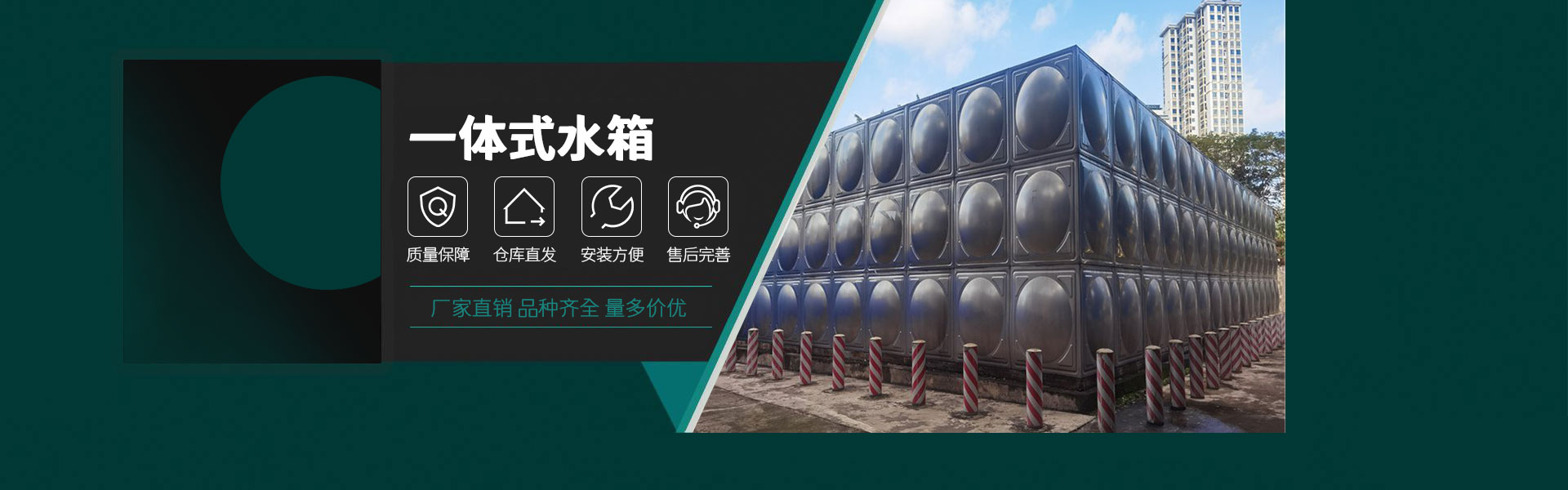


Stainless steel water tanks are widely used in everyday life, whether they are small household tanks or large modular stainless steel tanks, and whether they are round or square. Regardless, they all require regular cleaning and maintenance. Cleaning water tanks is not a task to be taken lightly. While stainless steel tanks are resistant to algae growth, they can accumulate scale and stains over time due to prolonged use. Proper and regular cleaning of stainless steel tanks is thus a challenge in maintenance. Here are some key points to consider when cleaning and maintaining stainless steel water tanks:
Prior to cleaning the stainless steel water tank, it is essential to notify all users of the tank in advance, issue a cleaning notice, and remind residents to prepare ahead of time to prevent any water usage issues for users.
Prior to the formal cleaning, close the in and out water valves.
3. Open the drain valve or start the submersible pump to lower the water level in the stainless steel water tank to approximately 30 cm (adjustments can be made according to the tank's specific conditions), then close the drain valve or submersible pump and block the outlet. This is to prevent backflow of wastewater during the cleaning process.
4. Cleaning stainless steel water tanks requires scheduling professional cleaners, equipped with specialized cleaning tools for the equipment and a冲洗 nozzle, to enter the tank for cleaning. The cleaning process typically begins from the top down and from the inside out. If any damage to the stainless steel tank is discovered during cleaning, it should be repaired promptly. The tank cleaning process is also a maintenance routine.
After cleaning and repairing the water tank, open the drain valve or start the submersible pump to fully discharge the wastewater. Then, rinse the interior of the tank with clean water. Subsequently, close the drain valve or submersible pump.
6. Pour the prepared disinfectant solution into the inner wall of the stainless steel tank, ensuring it is evenly sprayed from top to bottom and from inside to outside. Afterward, the cleaning staff should exit the tank and cover the hole cap. Wait for 30 minutes before opening the water inlet valve, fill the tank, and then drain all the water.
After the water tank has been cleaned, it is not permissible to restore water supply directly. The water quality must be sampled and sent to the health and epidemic prevention station for testing. Only when all test data are deemed合格 can the water supply be restored.
To ensure daily water supply needs for users, the tank cleaning must be completed as soon as possible.
