
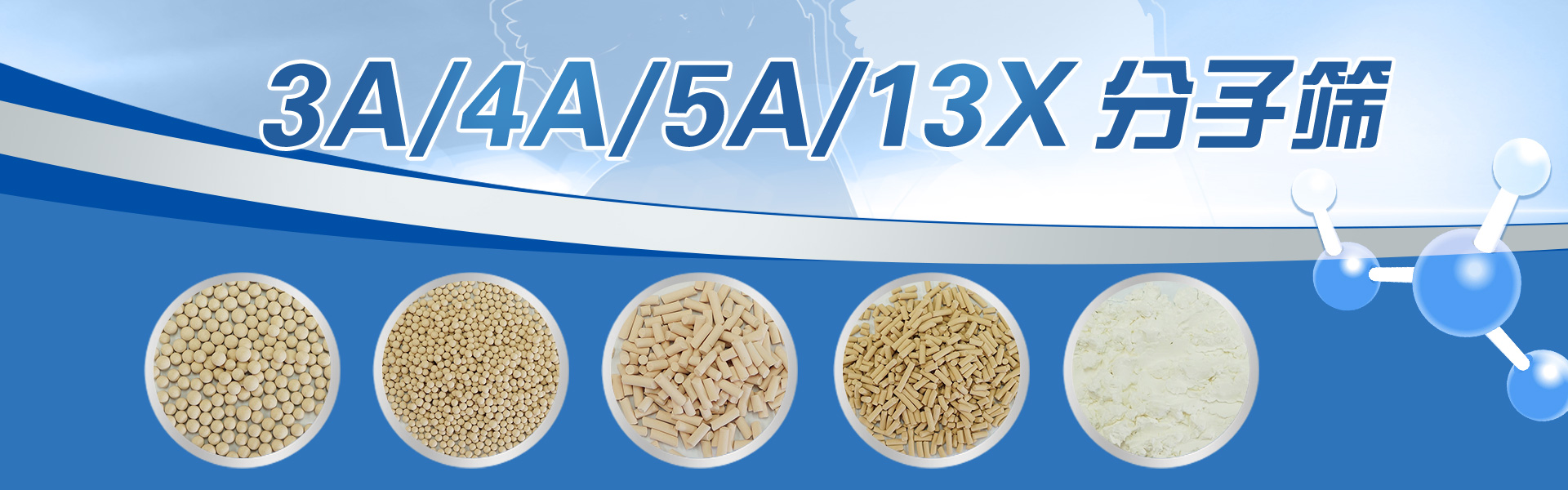

Molecular sieve is a vital adsorbent and catalyst, thanks to its uniform and stable molecular structure, as well as excellent adsorption and separation properties. It is widely used in the following fields:
1. Gas Separation: Molecular sieves can be used for the separation and purification of mixed gases based on the size and polarity of different gas molecules, such as air separation and natural gas purification.
2. Catalyst: Molecular sieve, as a catalyst carrier, can be used for the cracking of macromolecular compounds and the synthesis of organic substances.
3. Absorbent: Molecular sieve exhibits excellent adsorption and purification properties for harmful substances in the air, such as formaldehyde and benzene, as well as for unpleasant odors, discoloration, heavy metals, and organic matter in water.
4. Oxygen Materials: Molecular sieves can be used to produce oxygen materials for high-performance batteries and solid oxide fuel cells.
5. Desiccant: As molecular sieves are adept at absorbing moisture, they can be used as desiccants, such as for air,tian ran qiAllow the gas to dry.
6. Pharmaceutical Synthesis: Molecular sieves are utilized in the catalysis, adsorption, and separation stages of the pharmaceutical synthesis process.
7. Environmental Remediation: Molecular sieve is applicable in water treatment and waste gas treatment fields, effectively removing pollutants and enhancing environmental quality.
8. Petroleum Chemistry: In the field of petroleum chemistry, molecular sieves can be used in catalytic cracking and alkylation reactions of hydrocarbon compounds.
9. Emerging Fields: In addition to the aforementioned application areas, molecular sieves can also be utilized in emerging fields such as micro-lasers, nonlinear optical materials, and nanodevices.
In summary, due to the superior physical and chemical properties of molecular sieves, their application fields are continually expanding, bringing numerous conveniences to human production and life.