


What are the raw materials and manufacturing processes for molecular sieve activation powder?
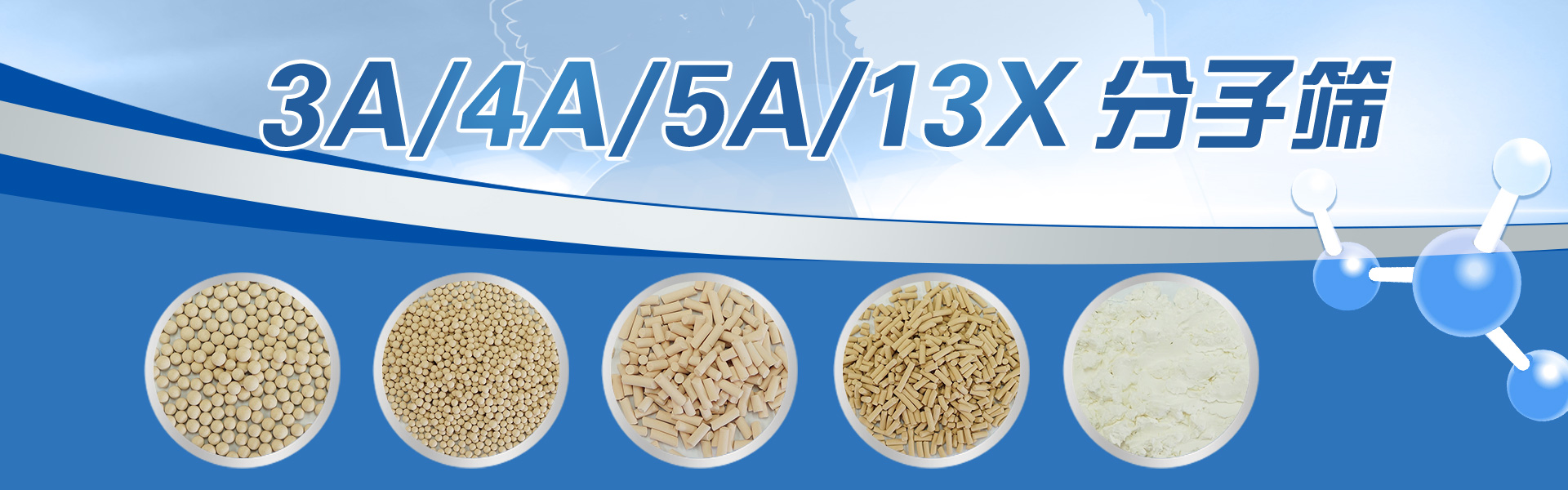
The primary raw material for molecular sieve activation powder is silicate-aluminate. 3A is potassium sodium silicate-aluminate, 4A is sodium silicate-aluminate, and 5A is sodium calcium silicate-aluminate. The main production method involves the activation of the raw powder at high temperatures to create the molecular sieve activation powder.
2. What is the primary function of molecular sieve activation powder (and what is the difference between it and defoaming agents)?
Answer: Molecular sieve activation powder absorbs excess moisture in the absorption system, while defoaming agents eliminate bubbles without absorbing moisture.
The principle of defoamers is to disrupt the balance of foam stability, thereby causing bubble collapse. Molecular sieve activated powder absorbs moisture, used to break the balance between aqueous and oil phases for defoaming.
Why is the price higher for larger channels, and why is the 4A model the most affordable?
The 4A price is the lowest because the 3A and 5A grades are swapped for the 4A.
What is the difference between molecular sieve activation powder and raw powder?
The difference is that the raw powder is the raw material for molecular sieve activated powder. The raw powder is inactive and cannot absorb moisture.
Which resins are suitable for use with molecular sieve activation powder?
Any trace of moisture in the adhesive can affect the product's properties, and this is applicable to all cases.
What is the approximate temperature that molecular sieve activation powder can withstand in adhesive?
No issues below 500 degrees; the molecular sieve raw powder withstands up to 550 degrees. High-temperature calcination causes the loss of crystalline water. As the temperature drops to room temperature, it gradually absorbs moisture to restore its original state. At a calcination temperature of 900 degrees, the crystal structure is destroyed, making it unable to restore and lose its hygroscopic properties. Therefore, the activated powder can withstand temperatures below 500 degrees.
What should be the recommended dosage of the molecular sieve activation powder?
The amount of molecular sieve activation powder added is determined by the trace moisture that needs to be removed from the system, with static water adsorption reaching up to 24%. This means that, under ideal conditions, the molecular sieve activation powder can absorb 24% of its own weight in water.
Will molecular sieve activation powder affect the adhesive viscosity?
The molecular sieve activation powder does not increase viscosity; its impact on the system's viscosity is merely the effect observed after the addition of other inorganic materials.
Can molecular sieve activation powder be added to polyols?
The A component of two-component polyurethane is typically polyester polyol and polyether polyol, and molecular sieve activated powder is usually added to the A component as well.
Will the molecular sieve activation powder regurgitate water, such as when placed in ink?
No. Activated powder is also a type of molecular sieve, classified as a static molecular sieve that cannot be regenerated within the system. The adsorption and desorption of molecular sieves are both conditional; desorption requires high temperature and low pressure. During customer use, the activated powder forms a uniform substance with the resin, lacking the desorption conditions. This is also the reason why the activated powder cannot be regenerated.
