


One: Polyurethane Bubble Issue
During the production and filling process of AB adhesive, it is common to encounter issues with the formation of air bubbles in the adhesive. These air bubbles within the adhesive can affect the bonding effect between the adhesive layers, reducing the adhesive's viscosity.
Why do air bubbles in AB glue injection occur? What kind of formula or improvement methods can solve this problem?
I. Cause Analysis
Before addressing the issue, we must first understand the causes of air bubbles in AB glue灌胶. The main points are as follows:
Adhesives Contain Air: During the production process, adhesives absorb air or other gases, leading to the formation of bubbles during filling.
2. Vibration During Potting: During the potting process, the presence of vibration or shake can cause bubbles to form in the adhesive.
Improper potting process: Incorrect settings of parameters such as potting speed, pressure, and temperature can also lead to the formation of bubbles.
Solution
In light of the aforementioned reasons, we can take the following measures to address the issue of air bubbles in AB glue injection.
1. Deaerating: Before applying the glue, it can be left to sit for a period to allow the gases to escape naturally. Alternatively, deaeration can be achieved using equipment such as vacuum pumps to expel air bubbles from the glue.
2. Vibration Control: Minimize the presence of vibration during the potting process. Adjusting the equipment's operating status can reduce the amplitude and frequency of vibration, thereby decreasing the formation of bubbles.
3. Process Optimization: Properly adjust parameters such as glue dispensing speed, pressure, and temperature. Generally, the dispensing speed should not be too fast, the pressure should not be too high, and the temperature should not be too high. By optimizing these parameters, bubble formation can be reduced.
4. Inspection and Elimination: During the potting process, promptly check for air bubbles in the adhesive and eliminate them immediately. Inspection can be conducted by observing the flow state of the adhesive and using infrared detection devices, etc. Once bubbles are detected,
Immediate measures have been taken to rectify.
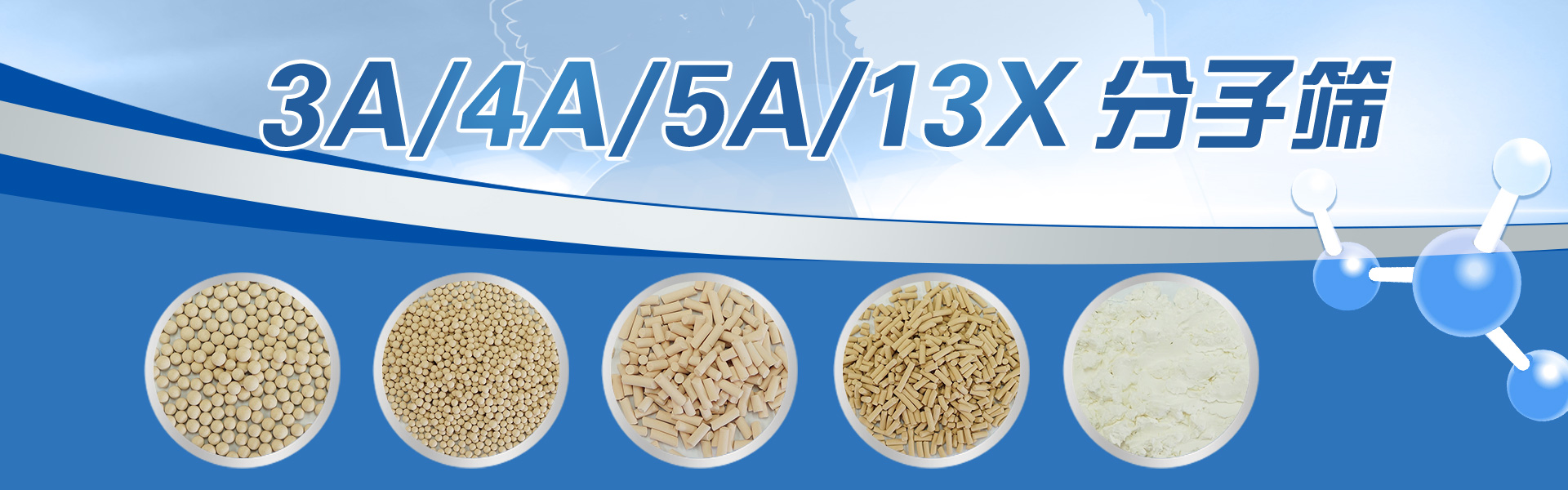
5. Added Powdered Molecular Sieve: As a selective adsorption ultra-fine powder material, molecular sieve is widely used in the production process of polyurethane adhesive, effectively removing moisture from the colloid.
The activated molecular sieve powder from Xin Tao can simultaneously block the reaction of colloidal raw materials with water, thereby reducing the formation of carbon dioxide in the colloidal substance, lowering the bubble content. It features rapid dispersion, fine and even powder texture, strong adsorption, low moisture content, and high purity.
Employing physical adsorption, it does not interfere or react chemically with colloids, effectively reducing the production time for colloids and extending the service life of polyurethane adhesives.
