Does a新风 system require medical-grade formaldehyde filters? Is it necessary to install a新风 system? Does it work? Is a新风 system effective for removing formaldehyde from newly decorated rooms? Let's get the facts straight from a新风 system filter manufacturer.
As smog hits, many consumers are纠结 over whether to use a ventilation system or an air purifier? What is the relationship between the two? Can one replace the other? Or are they complementary? Below, we explain from several aspects.
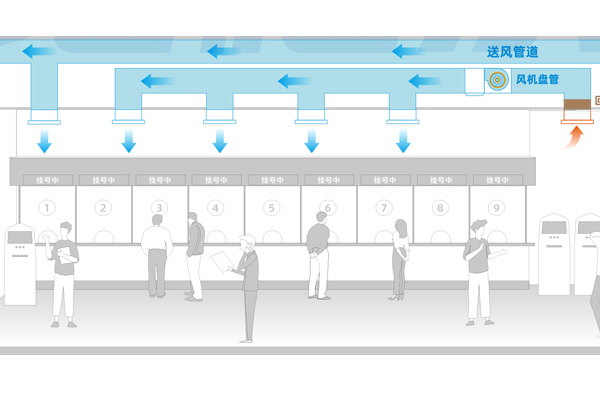
In terms of the principle of purifying air:
Continuous air purification from external sources introduces fresh air, effectively increasing oxygen levels, thus causing greater wear on the filter, leading to a quicker frequency of replacement.
Air purifiers clean indoor air without replacing external air, resulting in lower pressure. The continuous circulation of air ensures effective removal of PM2.5 and formaldehyde. Naturally, the filter pressure is also lower, which means the time between filter replacement will be longer, ultimately saving on the cost of filter replacement materials in the long run.

Does a new ventilation system effectively remove formaldehyde from newly renovated homes? Or do new ventilation systems require an activated carbon filter for formaldehyde removal?
In the initial stages of new home renovation, the best way to remove formaldehyde is to keep the windows and doors open, allowing the brisk north wind to drive it down. However, formaldehyde can continue to off-gas for up to 15 years, making it impractical to keep the windows and doors open indefinitely. Instead, you can close them and use fresh air ventilation, where the air purification system comes into play. Of course, you can also turn on an air purifier.
What is the relationship between air purifiers and air ventilation systems? Can one replace the other? Or are they complementary?
Analyzing the working principle, if you live in heavily polluted areas like Beijing or Shanghai, the outdoor PM2.5 index may exceed 500 during winter. In such cases, fresh air systems may seem ineffective against PM2.5, as the dirtier air passing through the filter cores adds pressure. In severe pollution, even with a fresh air system at home, PM2.5 levels will gradually rise. Imagine the air filtration system under immense pressure. At this point, I personally recommend using air purifiers, which can rapidly improve indoor air quality. When the overall environment becomes unbearable, one can only focus on maintaining their own small space. Therefore, if financially feasible, consider using both together.