





Advantages of Heavy-duty Cross Beam Racks
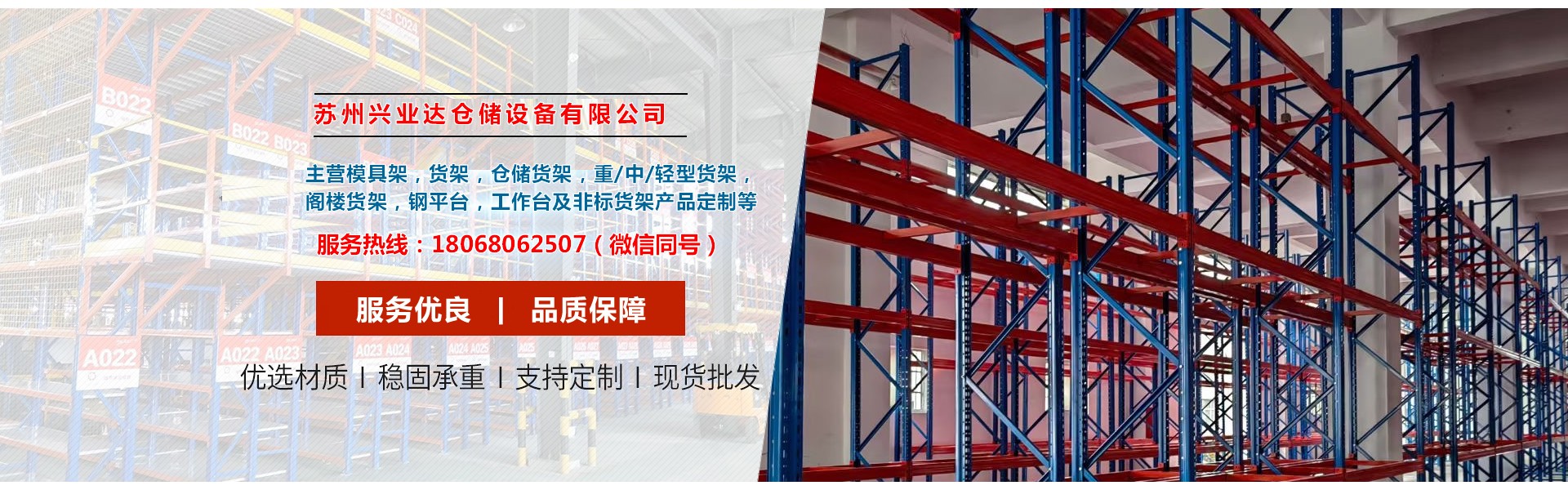
Heavy-duty beam racking, also known as pallet racking or space racking, is commonly referred to as heavy-duty shelving. It is widely seen in various domestic storage racking systems. The modular assembly structure is made using imported cold-rolled steel from cold-rolling machines. The column plates feature a prefabricated design, with beam-column connections in an insertion style. It is equipped with highly secure locking pins to ensure the safety and reliability of beam-column connections during the use and operation of forklifts. The shelf height can be adjusted at 75/50mm intervals, making it versatile for use. Each shelf can support up to 4000 kilograms of weight, with goods placed on pallets and accessed by forklifts, offering convenience and flexibility. It can be equipped with both front-loading battery-powered forklifts and counterbalance heavy-duty battery-powered forklifts. Standard forklifts and stackers are used when the racking is lower; with double-depth front-loading forklifts, the racks can be arranged in four rows side by side, commonly known as such racks. It is a double-depth beam frame. The racks can sometimes be lined with steel, wood, and mesh to select goods at the bottom level. This racking system is a common storage solution, widely used in manufacturing, third-party logistics, distribution centers, warehouse supermarkets, and more. It is suitable for both a variety of small batch products and small variety, large batch goods. Such racks are extensively used in high-rise warehouses, predominantly in automated warehouses.
For this shelving system, the initial steps involve containerization and unitization, which entails packaging goods along with their characteristics such as weight, and determining the type, specifications, and dimensions of the pallets. This also includes the individual weight and stacking height (usually less than 2000kg), and then determining the span, depth, and shelf spacing of the unit shelves based on the effective height under the warehouse trusses and the forklift. The height of the forklift determines the height of the shelves. The span of the unit shelves is generally less than 4 meters, the depth less than 1.5 meters, and the height of high-rise warehouse shelves is usually less than 12 meters, while ultra-high-rise warehouse shelves typically less than 30 meters (such warehouses are primarily automated, with the total shelf height consisting of 12 pillars). This shelving system offers high space utilization, flexible handling, and is conducive to computer management or control, largely meeting the requirements of modern logistics systems.
We all know that when we do anything, we need to follow the corresponding rules. Only by strictly adhering to these regulations can we ensure the quality of the products we produce. Similarly, in the industry of storage shelving factories, employees also need to follow many principles. These issues will affect the quality of the shelves. Let's take a look
1. In structural design, shelf manufacturers must strive to meet the needs of corporate clients. Therefore, it is crucial to understand the purpose of manufacturing warehouse shelves and the desired outcomes. Subsequently, technical personnel should assess the location of the company's warehouse to better comprehend its current state and plan the shelves for more effective improvement of the warehouse's operational environment.
2. For some intelligent warehousing systems, simply having storage shelves is not enough; they also require corresponding support software systems to ensure the entire intelligent warehousing system operates smoothly. Additionally, the appropriate machinery and equipment are indispensable, as they are the core devices for transporting goods within the warehouse. For larger products with significant weight, manual handling is unrealistic. Therefore, we need to make full use of machinery and equipment to effectively enhance the functionality of the shelves.
Many people think that designing storage racks is a simple task when they come into contact with them. In fact, it's not that straightforward. Creating a rack that satisfies customers actually requires a significant amount of preparation. Planning strictly according to regulations can save a considerable amount of working time.
