Environmental equipment, instruments and meters, robots, ...

The Role of Ground Resistance Testers: The primary function of a ground resistance tester is to ensure the reliability of grounding systems, protect personnel and equipment, enhance equipment performance, and meet standards. Specifically, it includes the following aspects:
Grounding System Reliability: The grounding resistance meter assists in measuring the grounding resistance of the grounding system, ensuring the quality and reliability of the grounding system. Regular measurements of grounding resistance can help promptly identify issues within the grounding system, such as increased grounding resistance or loose grounding wires, allowing for timely maintenance actions to prevent insulation damage to electrical equipment and other faults.
Personnel and Equipment Protection: Ground Resistance Meters Help Ensure Effective Grounding of the Grounding System, Reducing the Risk of Injury to Personnel and Equipment During Electrical Equipment Failures. Maintaining a good grounding state of the grounding system effectively directs currents underground, thereby reducing the occurrence of accidents such as electric shocks and fires.
Equipment Performance Enhancement: Ground Resistance Meters Aid in Improving Electrical Equipment Performance. A robust grounding system can reduce equipment failures and downtime, enhancing reliability and stability, thereby boosting production efficiency and profits.
Meets Standard Requirements: Many Industrial andPolitical.The palaceThe standard specifies the small grounding resistance value for grounding systems. A grounding resistance meter can help check if the grounding resistance of the grounding system meets these standard requirements and ensure that the grounding system complies with the relevant regulations and laws.
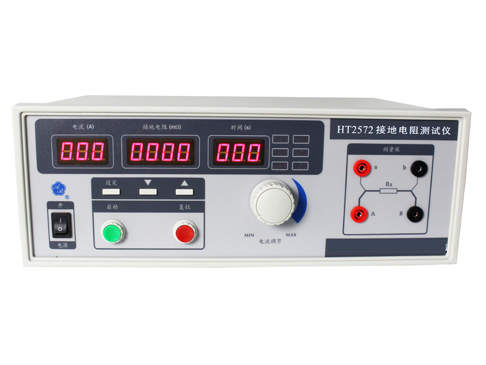
In summary, the earth resistance tester plays a crucial role in ensuring the reliability and safety of grounding systems. It aids in enhancing equipment performance, protecting personnel and equipment, and ensures that the grounding system complies with various standards and regulations.
Ground Resistance Meters: The classifications of ground resistance meters primarily include portable meters, desktop meters, and digital meters.
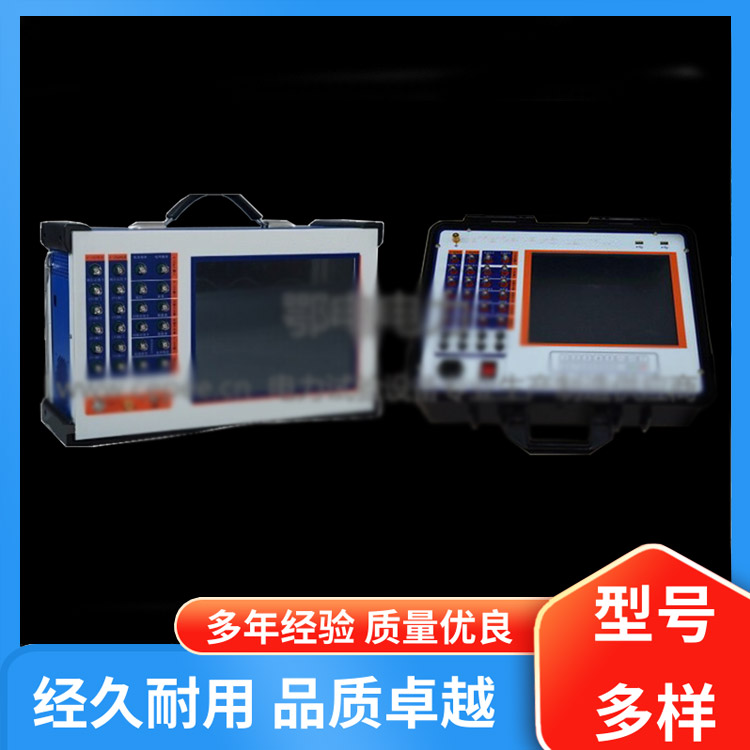
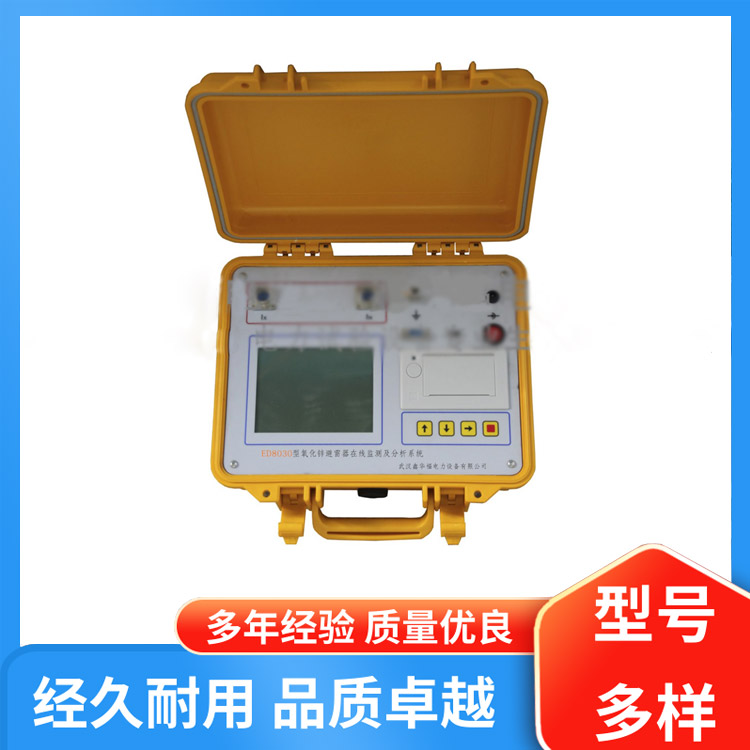
The portable test meter is designed for on-site testing and measurement of small electrical equipment, featuring a compact size and lightweight weight for easy portability and operation. It offers testing speed and accuracy comparable to other types of test meters.
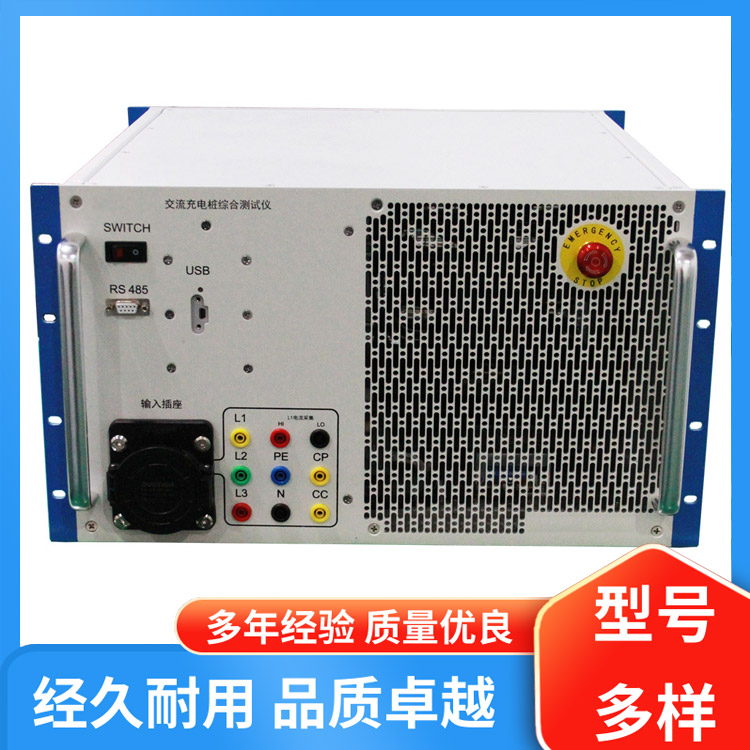
The desktop test instrument is suitable for laboratory or factory environments, featuring a larger size that requires placement on a desk for operation. It offers enhanced test accuracy and stability, capable of meeting more advanced testing requirements.
The digital tester utilizes digital signal processing technology to achieve high-speed and accurate collection and analysis of test data. It boasts higher resolution, data sampling frequency, and anti-interference performance. Additionally, it offers advanced features such as data export, report generation, and result analysis, enhancing the automation and efficiency of testing.
The development and manufacturing of these testing instruments are carried out by different manufacturers, with specific developers and manufacturers varying by product.


www.114global.com © Zhongshang 114 Hebei Network Technology Co., Ltd.Address: Room 6009, Oriental New World Center, No.118 East Zhongshan Road, Qiaoxi District, Shijiazhuang City, Hebei ProvincePlatform Service Hotline: 4006299930