Environmental equipment, instruments and meters, robots, ...

Feature Highlights
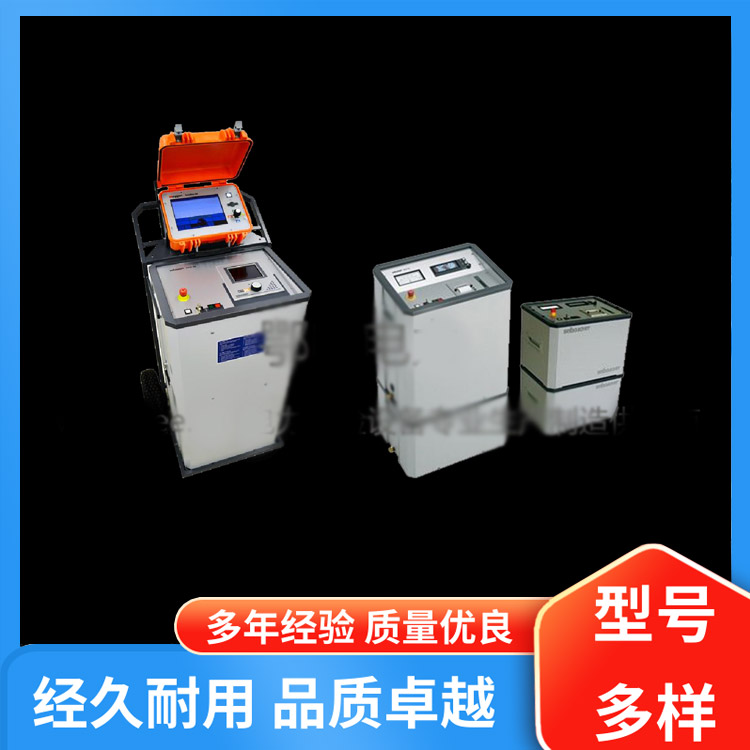
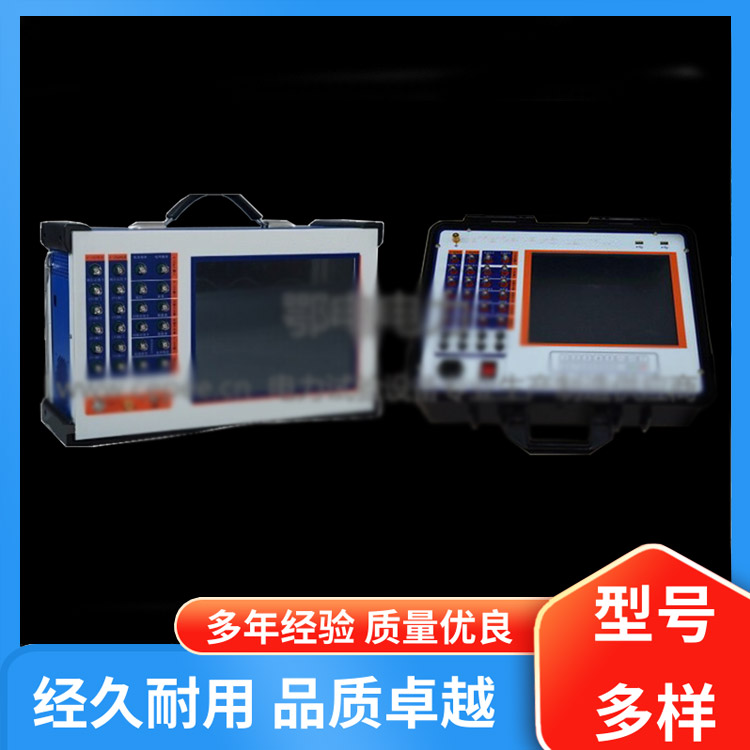
High brightnessOLEDColor LCD Display: Offers clear visibility, maintaining excellent readability even in bright light conditions.
Programmable Pulse Code Keyboard: Operation intelligentizes, making instrument usage more convenient.
Multi-Band Selection: Low band, mid band, high band, and full band options are available for flexible selection based on actual conditions, catering to various testing requirements.
Digital Filtering Technology: Efficiently processes audio signals, enhancing the clarity of the characteristic frequency bands and improving filtering performance.Zhuo.Please provide the Chinese content to be translated.。
Fault Distance from Digital Display: Kedao Display25mFault distance within the range is clearly presented and easy to understand with intuitive data.
Audio Signal Waveform Display: By observing waveform characteristics, you can roughly determine the distance to the fault point, while also supporting single-mode operation for15mDetailed analysis of the internal audio waveform.
Single and Continuous Modes: Choose according to actual needs; supports detailed waveform analysis and overall cycle analysis.
Noise-Canceling Feature: Effectively reduces the harm of loud noise to the ears during the operation of mobile probes, ensuring the hearing health of operators.

Operational Usage
Equipment Preparation: Verify that instruments are operating correctly and ensure sufficient battery power.
On-Site Operations:
Connect Test Cables: Securely attach each terminal of the test cable to the corresponding interface of the fault locator.
Configuration Parameters: Based on the characteristics and actual conditions of the fault section, parameters are reasonably configured on the instrument, including voltage, test distance, and calibration points, etc.
Locate Ground Wire: Utilize the instrument's ground-finding feature to identify the ground wire location at the measurement point and connect it.
Set Test Distance: Adjust the test distance according to the actual situation to ensure it is not too far to affect the accuracy of the results.
Testing Initiated: Power on the equipment and begin testing. By analyzing the waveform data displayed by the monitoring instrument, determine the type of cable fault and locate the fault position.
Analyze Data: By examining the changes in waveform data and combining it with the actual conditions of the fault section, conduct data analysis to determine the fault location and type.
Fault Location: Identify the specific point where waveform data is abnormal, which is the fault location. According to the actual situation, use the distance measurement function provided by the instrument to locate the fault point.


www.114global.com © Zhongshang 114 Hebei Network Technology Co., Ltd.Address: Room 6009, Oriental New World Center, No.118 East Zhongshan Road, Qiaoxi District, Shijiazhuang City, Hebei ProvincePlatform Service Hotline: 4006299930