



Traditional passive reflective materials have been used in city and urban road sign installations, which, due to the working principle and characteristics of their luminous materials, determine that traditional traffic sign facilities can only be visually recognized when illuminated by a light source.
The distance of visual recognition depends on the brightness of the light source, and traffic signs do not glow in the absence of light. At night or under extreme weather conditions, drivers need to use their high beams to clearly see the content of traffic signboards.
Motorists often drive with low beams at night, in accordance with civil driving requirements, but passive luminescent traffic sign products fail to serve their safety warning purpose. However, when high beams are turned on, the intense light can blind the drivers of oncoming vehicles or pedestrians, causing temporary blindness and doubling the reaction time and braking distance compared to normal conditions, thereby increasing the likelihood of traffic accidents. This is especially true during rainy weather or under heavy smog conditions, where passive luminescent signs are virtually ineffective, failing to provide any warning.
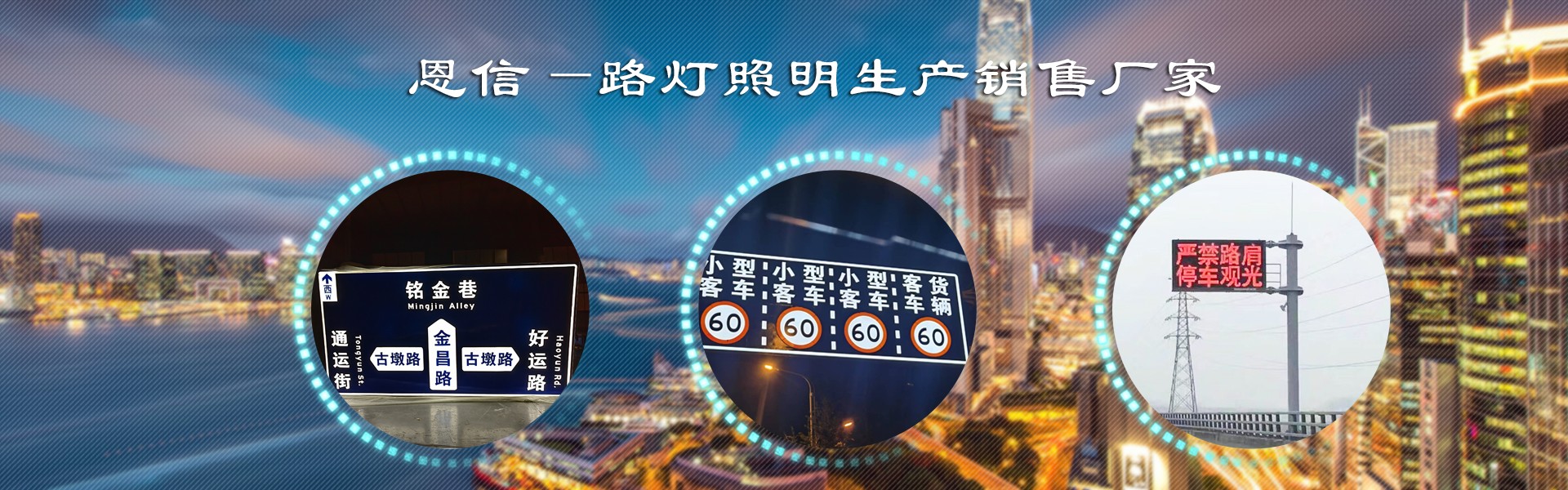
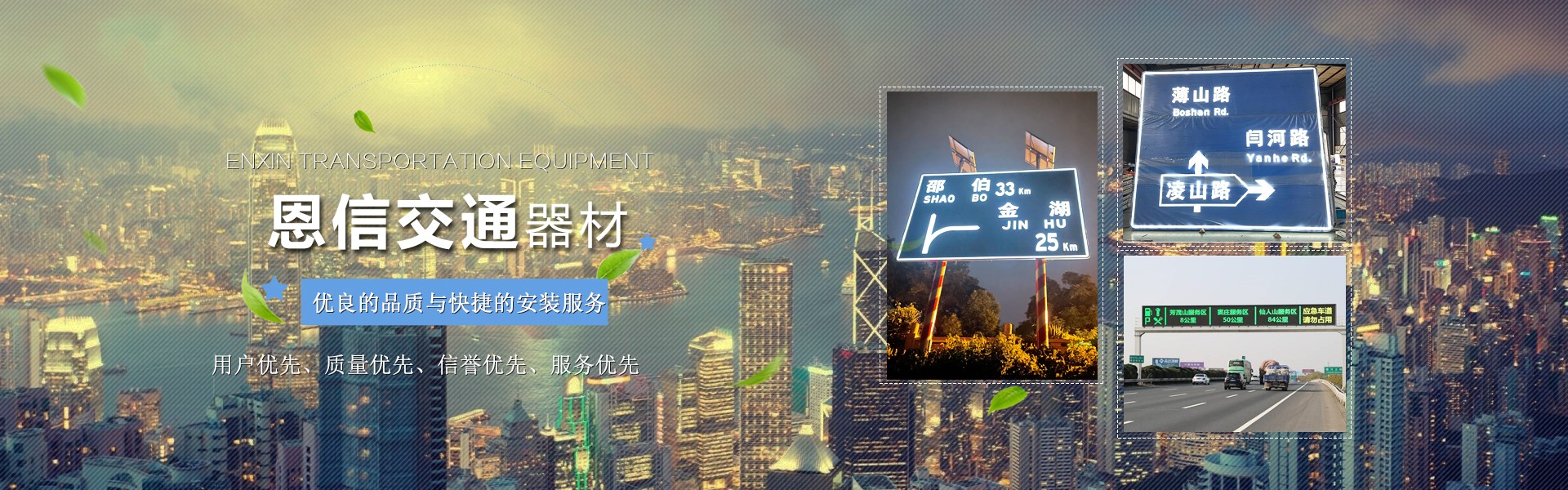
This road is the first to pilot the use of active发光signage, and it is also one of the city's urban roads where active发光signage has been installed.
This illuminated signage device activates with the streetlights, maintaining strong visibility in adverse traffic conditions such as at night, during rain, fog, snow, and haze. It fulfills drivers' information recognition needs around the clock, addressing the numerous visibility shortcomings of traditional reflective signs in rainy, foggy, and low-light conditions. It effectively prevents traffic safety hazards caused by poor visibility, enhancing road safety and reducing driving risks.
