
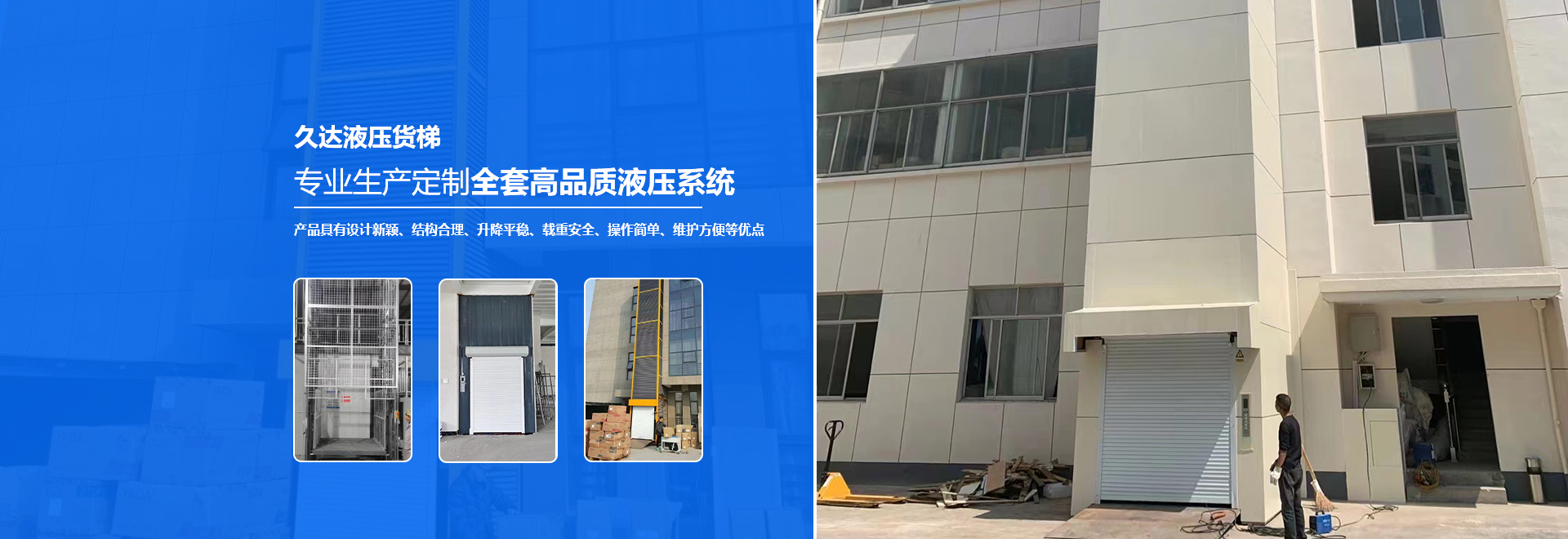
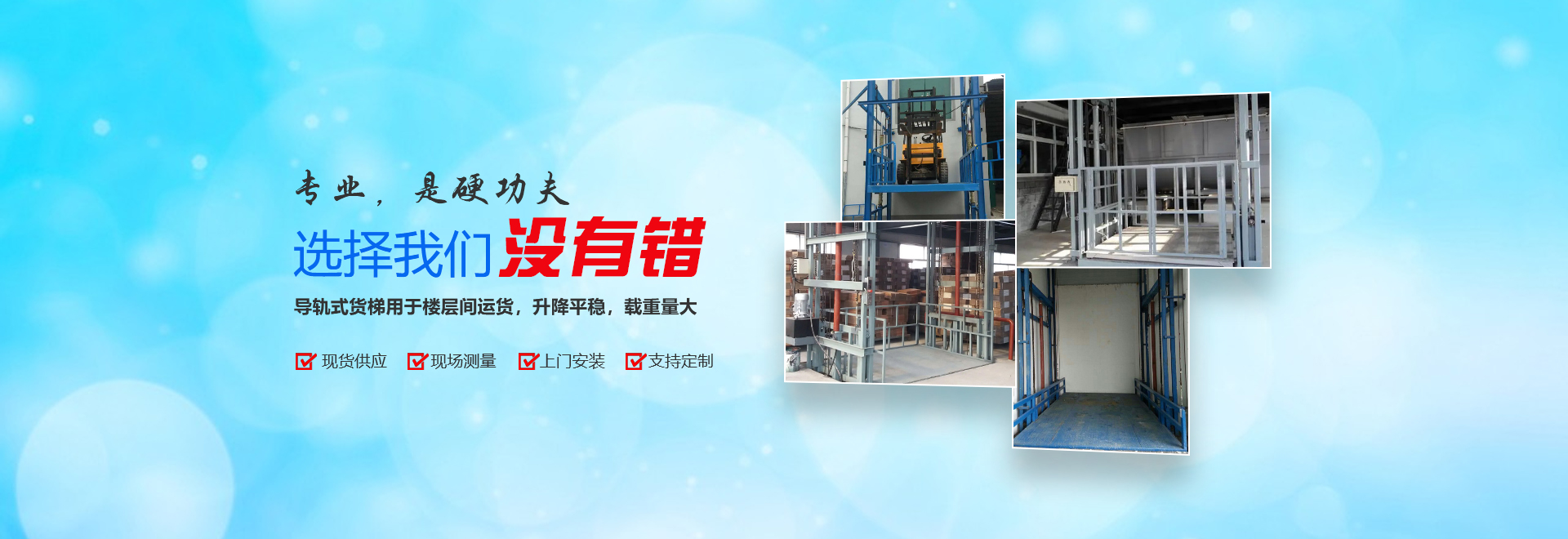

Hydraulic lift trucks are a common mode of cargo transportation, widely used in industries, commerce, and logistics. For businesses or individuals looking to purchase or install hydraulic lift trucks, certain procedures must be followed to ensure quality and legal compliance. Below is a detailed explanation of the手续 (procedure) for hydraulic lift trucks.
Basic Structure and Working Principle of Hydraulic Elevating Goods Lifter
The hydraulic lift truck is composed of three parts: an electric motor, a hydraulic system, and a work platform. It operates by quickly providing hydraulic oil pressure through the motor, controlling the lift's ascension and descent, allowing for vertical transportation of goods.
The hydraulic lifting elevator boasts simple structure, easy operation, smooth lifting, and easy loading and unloading of goods, thus enjoying widespread application.
Hydraulic Elevating Goods Lifter Permitting Process
The procedures required for purchasing a hydraulic lifting platform primarily include the purchase contract, user manual, product certification, and installation/maintenance handbook. Additionally, safety assessments, installation inspections, and user training must be conducted.
Safety Assessment
Before purchasing a hydraulic lifting goods elevator, a safety assessment is required. This is primarily to ensure that the elevator meets industry standards and can operate safely without causing harm or loss to personnel or property.
Installation Acceptance
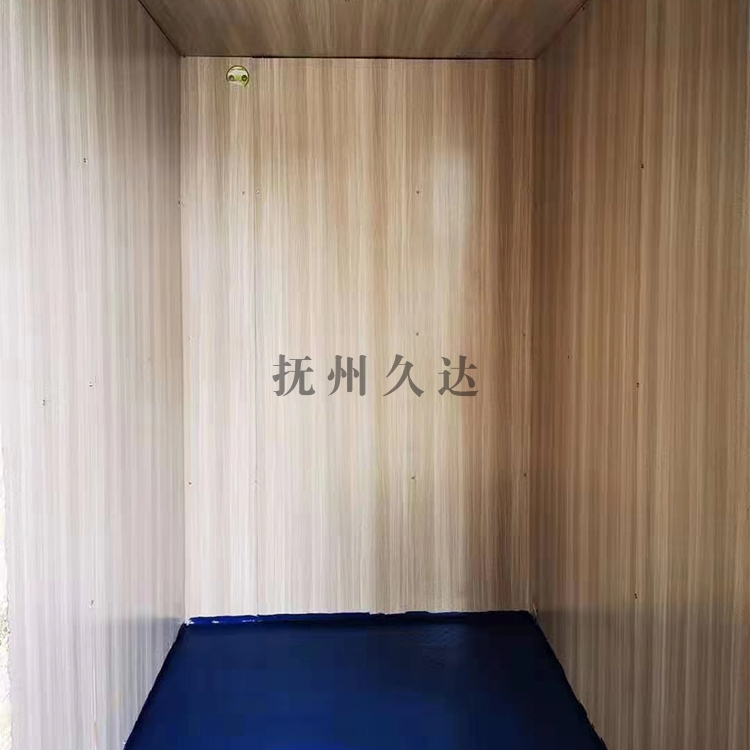
The installation of the hydraulic lift elevator is carried out under the guidance of professionals, ensuring both the quality of installation and compliance with operational standards. After installation, the hydraulic lift elevator must undergo a验收 process to confirm it meets design requirements and safety standards.
Utilizing training
The training on the use of hydraulic elevating platforms is a crucial component. It equips operators with knowledge on how to operate, maintain, and troubleshoot the platforms. Qualified operators can prevent mishandling and malfunctions, ensuring the safety of both equipment and personnel to the greatest extent.
