

Three-in-One Coating Application, Three-in-One Coating Coating Technique, Three-in-One Coating Application Process
1Coating:Coating by immersion ensures complete film coverage without the waste caused by over-spraying. It's an economical method for coating large equipment, though the quality of the coating, such as thickness, is influenced by various factors like equipment temperature, the temperature of the immersion container, immersion time, extraction speed, and sag time. Immersion coating provides sealed coatings and represents low production costs in bulk applications. Circuit boards are immersed in a liquid coating material, then removed, with excess coating dripped off before curing, which makes mask application challenging. The application thickness is affected by the temperature of the boards and reservoir, the speed of extraction from the reservoir, curing temperature, and the duration of immersion.
2Spray Painting:Spray cans provide a convenient way for applications in maintenance and small-scale production. Spraying is suitable for large-scale production and is an economical method for medium-sized equipment, as it facilitates the formation of protective layers. However, it is challenging to coat the bottom of components, necessitating additional processing. The thickness of the coating is influenced by the linear relative movement speed, material temperature, and the pressure of the spraying device. Spraying is typically used for medium batch production, featuring high production rates and low costs. It is difficult to apply coating beneath components and requires extensive maintenance. The type of feed system, line speed, material temperature, and the atomizing pressure used will affect the application thickness.
3Selective CoatingAccurate coating without waste, primarily used for medium to large equipment, coating systems are typically expensive and require high maintenance. The thickness of the coating is influenced by four factors: COATINGE properties, temperature, pressure, and the design structure of the system. Selective coating can be applied to medium to large-scale applications. It usually does not require sealing, as the coating is only used in the selected area of the circuit. The operational equipment used is more expensive than that in general large-scale operations, and it requires higher maintenance costs than dipping and spraying. The viscosity of the material, temperature, pressure, and the construction of the dispersal head all affect the coating thickness.
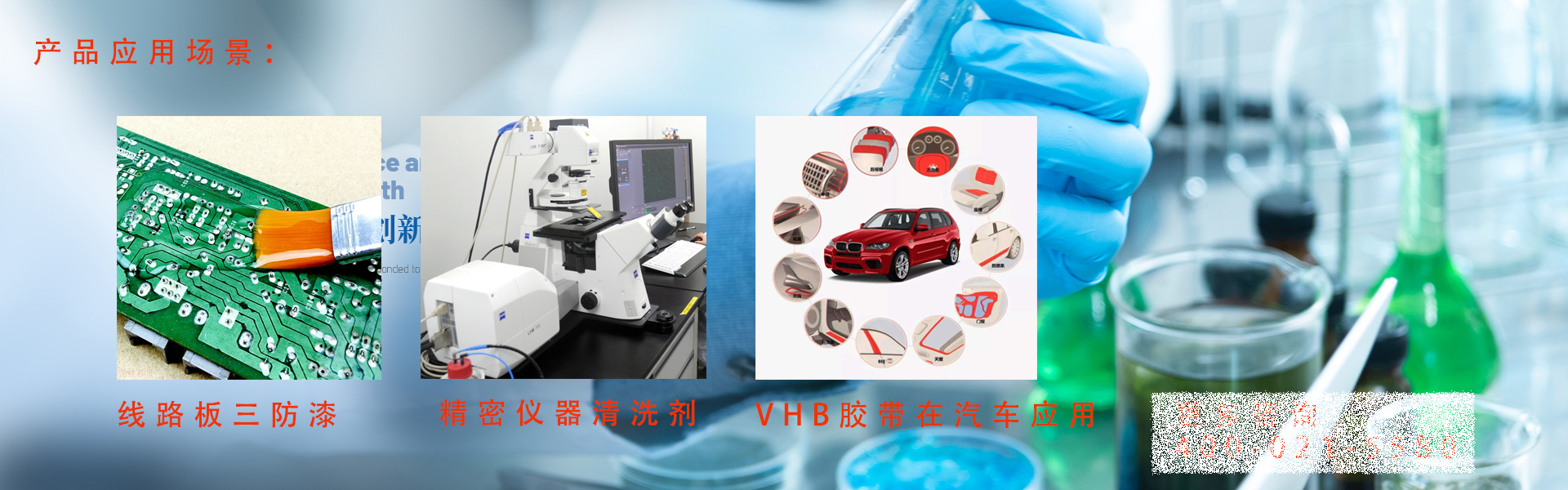
4: Brush CoatingIt's an affordable method of application that produces good coating effects on smooth surfaces. Primarily used for coating small-volume products or for repairing coatings. Spray or brush application is suitable for low-volume production or repairs. The equipment costs are low. The paint is simply sprayed or brushed onto the board and then cured.
