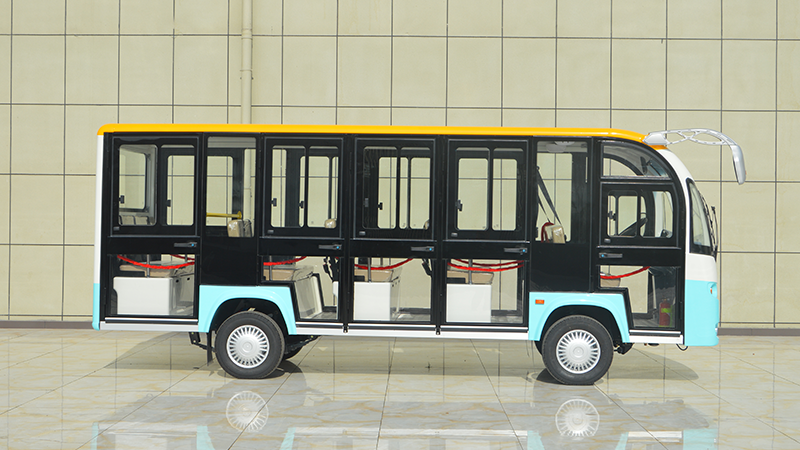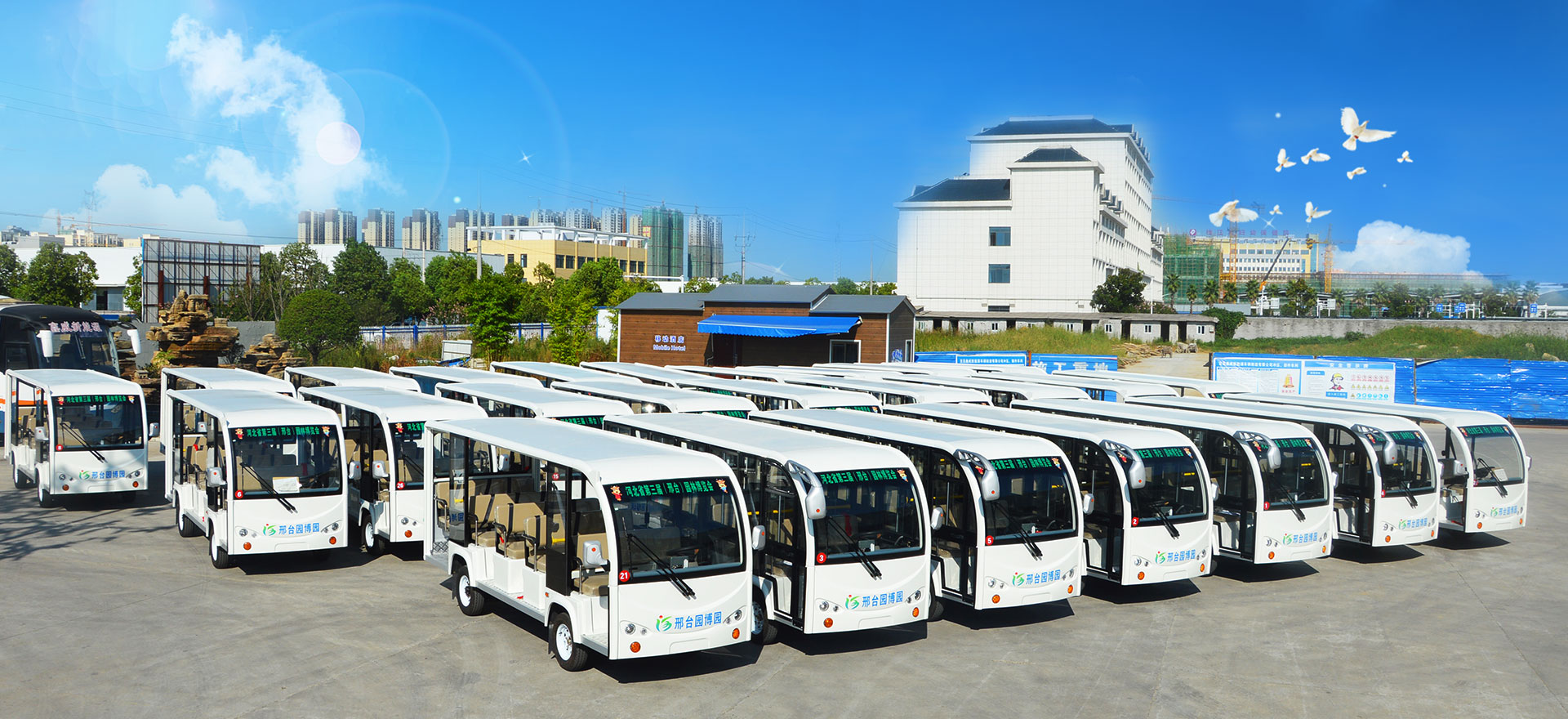

As the tourism industry flourishes, sightseeing vehicles have become an indispensable mode of transportation. Currently, there are two main types of sightseeing vehicles available in the market:Electric Touring CarNo Chinese content provided.Fuel-powered sightseeing vehicleThese two sightseeing vehicles employ different power systems, resulting in some distinct differences between them. Below, we will provide a detailed overview of the differences between electric sightseeing vehicles and fuel-powered sightseeing vehicles.
Power System Variance
Electric sightseeing vehicles primarily utilize battery packs as their power source, propelling the wheels through an electric motor. These vehicles predominantly employ lithium-ion batteries, which are characterized by their compact size, light weight, and short charging time, making them ideal for electric vehicles. Electric sightseeing cars boast zero emissions, silence, and no vibration, making them highly eco-friendly and in line with modern environmental consciousness.
Electric-powered sightseeing vehicles primarily use internal combustion engines as their power source, transferring power to the wheels through a transmission system. Since these vehicles run on gasoline or diesel, they generate exhaust emissions, placing a certain burden on the environment. Additionally, they produce more noise, which can disrupt the surrounding environment.
Range Difference
Electric Tourist CarsThe battery capacity determines the range of electric sightseeing vehicles. Currently, most electric sightseeing vehicles on the market have a range of about 100 kilometers, with a few exceeding 200 kilometers. However, since electric vehicles require charging when the battery is low, it's important to maintain a sufficient charge while in use.
The range of fuel-powered sightseeing vehicles depends on the fuel tank capacity. Generally, these vehicles can travel approximately 300 to 400 kilometers, making them suitable for long-distance travel. However, fuel-powered sightseeing vehicles require refueling at gas stations, which adds to the complexity of their use.
Maintainance Differences
Electric sightseeing vehicles are relatively easy to maintain. As they lack complex mechanical components like engines, significant maintenance costs can be saved. Regular checks of the battery condition, keeping them clean, and periodic replacement of parts are all that's needed to extend their lifespan.
Maintenance of fuel-powered sightseeing vehicles is rather complex. As they encompass mechanical components like engines and transmissions, regular replacements of parts such as engine oil and filters are necessary to ensure the vehicle operates smoothly. Additionally, due to the higher stability requirements of the fuel-powered sightseeing vehicle engines, there are strict demands on their heat resistance, wear resistance, and corrosion resistance, necessitating more frequent maintenance and care.
Safety Performance Disparities
Electric sightseeing vehicles, without engines and other components, offer enhanced safety performance. Equipped with GPS positioning systems, they allow for peace of mind when traveling with family. In contrast, fuel-powered sightseeing vehicles must consider the safety of fuel and potential issues with engines and other components, necessitating additional security measures.
Overall, electric sightseeing vehicles offer zero emissions, environmental friendliness, and low noise levels, making them ideal for urban sightseeing and parks. Fuel-based sightseeing vehicles, on the other hand, are better suited for long-distance travel and situations requiring extended range. Both electric and fuel-based sightseeing vehicles have their own pros and cons, so the choice should be based on specific usage needs.