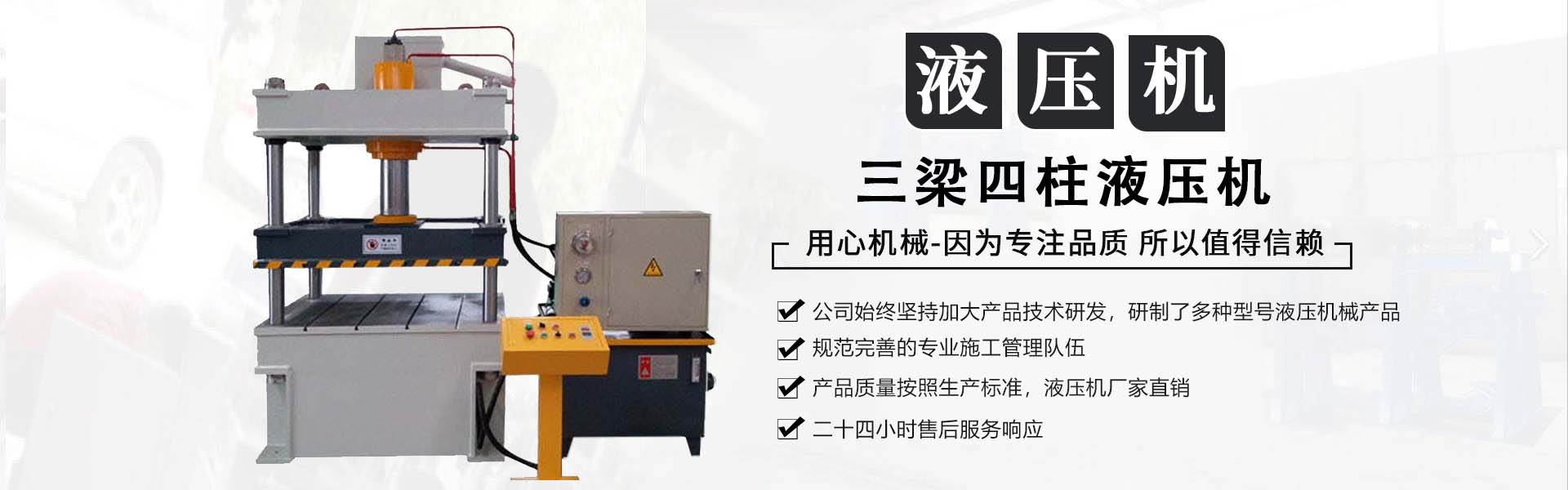
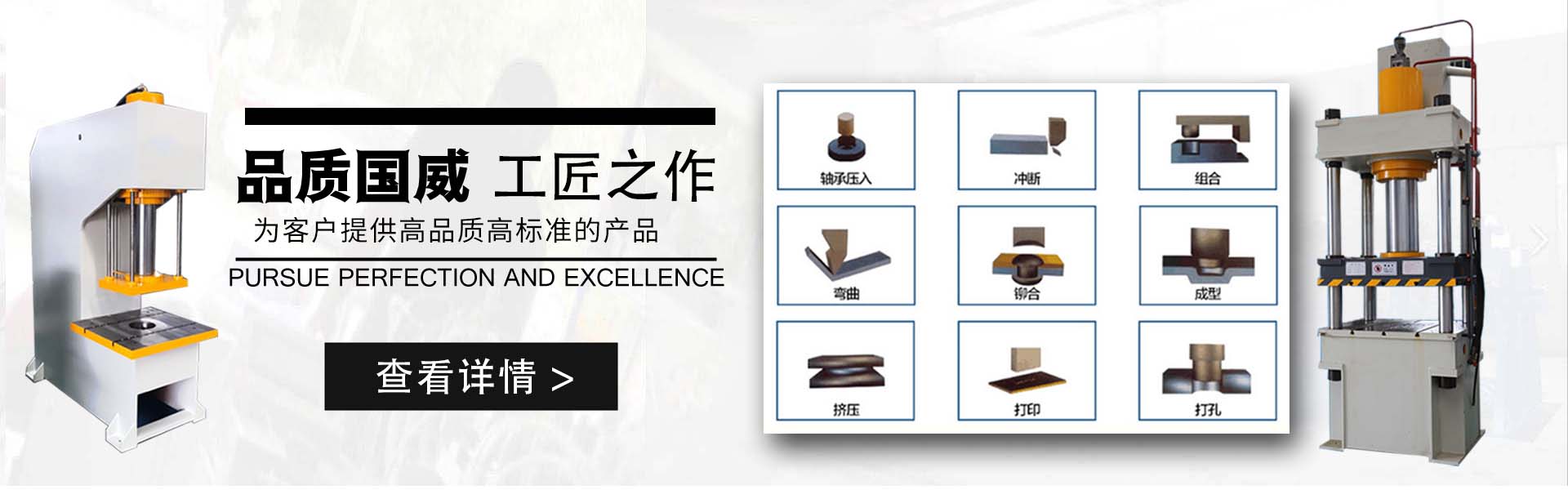
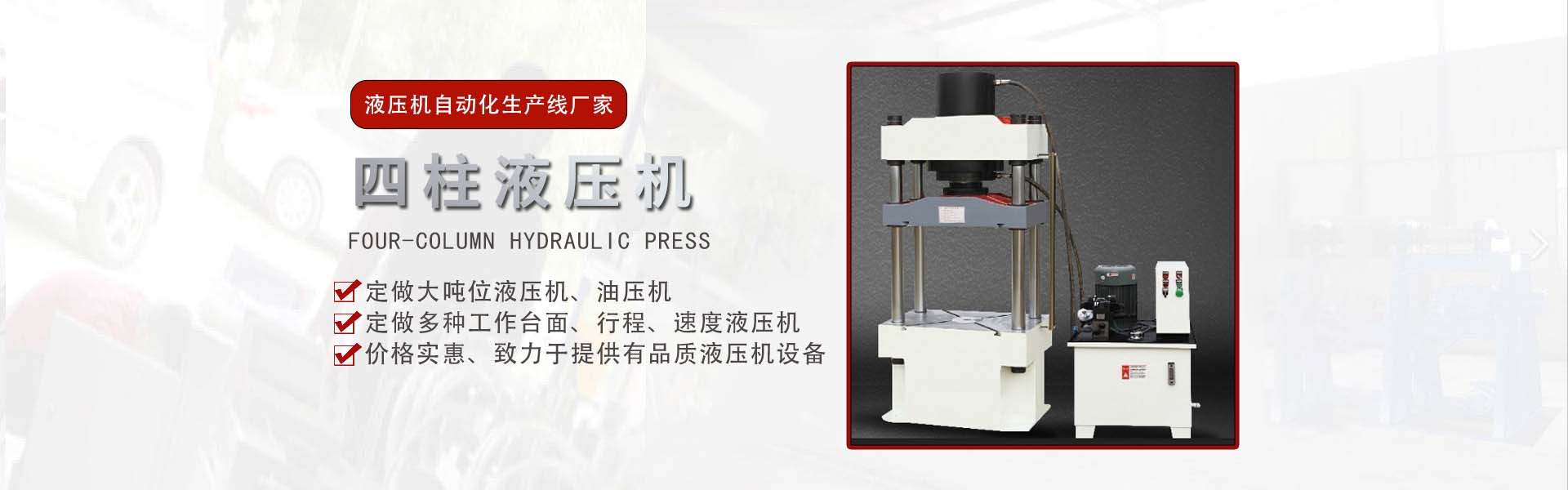
Four-column hydraulic presses offer distinct advantages over traditional stamping forming processes, with clear functional features, rapid operation speeds, and the assurance of more perfect and stable production quality. However, after long-term use, mechanical equipment inevitably experiences some malfunctions. Next, we'll introduce the reasons for the failure of hydraulic valves in four-column hydraulic presses.
Corrosion
Excessive moisture or acidic substances mixed with the hydraulic oil in a four-column hydraulic press can corrode the surface of the relevant parts within the hydraulic valves over time, leading to a loss of part precision and sealing effectiveness.
2. Wear & Tear
The hydraulic components, valve sleeves, and bodies of the four-column hydraulic press constantly experience collisions during operation, leading to changes in the size, shape, and surface quality of the parts, resulting in a decline in quality and failure. Wear or deformation of the electromagnetic directional valve core in the four-column hydraulic press can cause internal leakage within the valve, reducing power output. Additionally, due to wear, metal particles from the parts are shed, increasing the number of impurities in the hydraulic system and exacerbating the degree of wear.
3. Transformation
When the stress during operation and the external load stress during use of the hydraulic valve components of the four-column hydraulic press exceed the yield strength of the component material, the components deform, fail to perform their normal functions, and become defective. The bending or spring deformation of the valve core in the overflow valve of the four-column hydraulic press will reduce the mobility of the components, leading to unstable system pressure or slow status transition processes.
Fatigue
Under prolonged cyclic loading conditions, the springs within the hydraulic valve of a four-column hydraulic press can fatigue and become soft, leading to other damages such as valve seat fatigue and cracking. If the spring of the directional valve becomes too soft or shortened, it will affect the operating position of the valve core and normal reset of the four-column hydraulic press, causing the system to malfunction.