
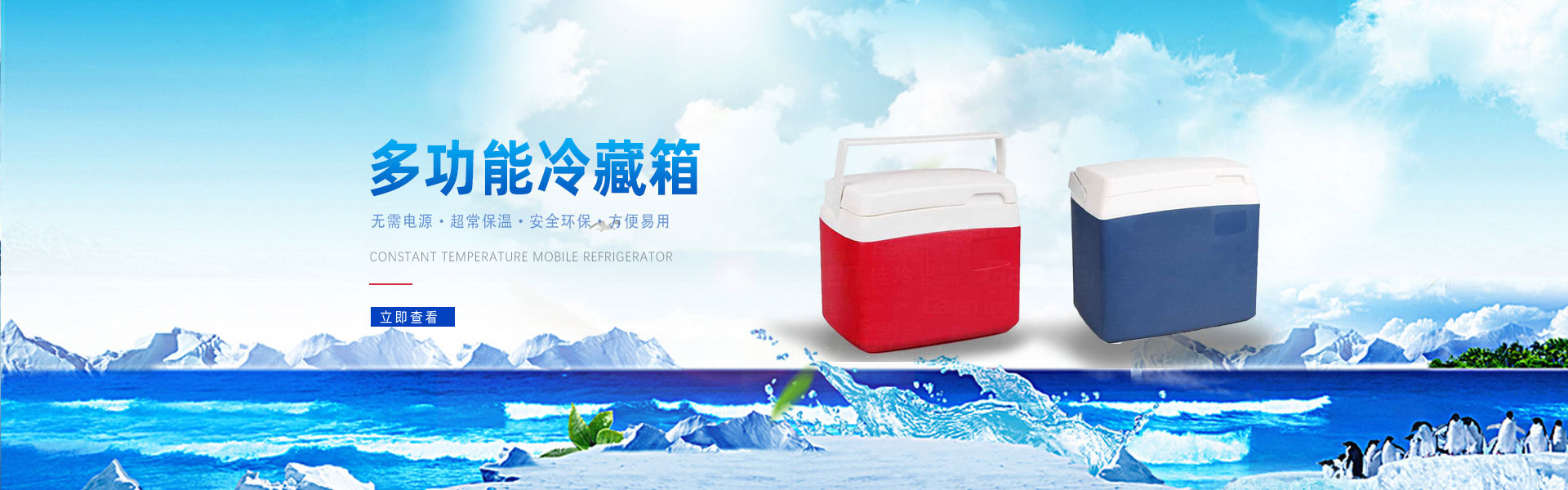

Insulated coolers are widely recognized, especially as the economy grows and the food delivery industry expands. These boxes for delivering meals are designed for long-lasting insulation, making them a type of insulated cooler. What are the specific features of insulated coolers? Below, the editor summarizes some relevant knowledge for you.
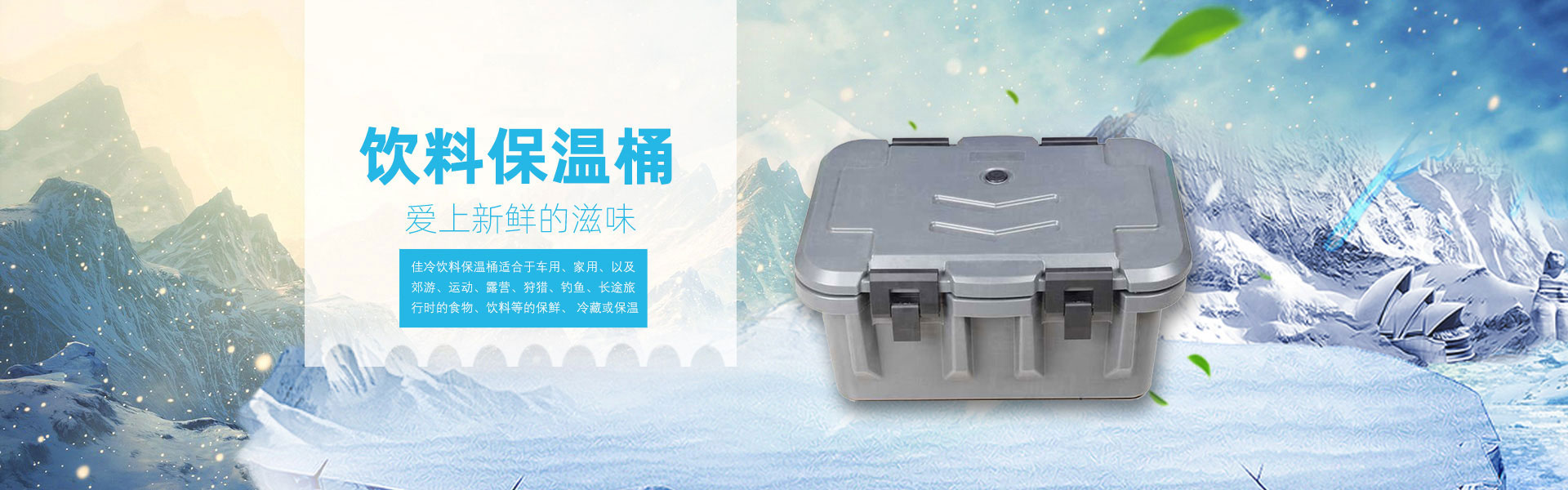
Insulated coolers are crafted from food-grade, environmentally friendly LLDPE material, meticulously formed through a one-step molding process using the world-renowned rotation molding technique. Equipped with marine-grade stainless steel latches and rubber anti-slip pads at the bottom, they are odorless, tasteless, UV-resistant, and resistant to discoloration. The structure offers certain sealing, dustproof, and waterproof properties, with a smooth surface that's easy to clean. These coolers provide excellent insulation, are shockproof, and are designed for lifelong use. When paired with ice packs, they exceed the cooling performance of American industry standards, maintaining chilled conditions for several days.
1. Heat and Cold Resistance: Insulated containers require high standards for both heat and cold resistance, remaining shape-retentive in boiling water and even suitable for sterilization with boiling water.
2. Durable: Must have superior impact resistance, be less prone to shatter under heavy pressure or impact, and not leave scratches; designed for lifelong use.
3. Sealing: This is the primary consideration when selecting an insulated box. Although different brands may have varying sealing methods, the sealing integrity is a necessary condition for the long-lasting preservation of stored food.
4. Preservation: Internationally, the sealing standard is determined by moisture vapor transmission rate testing. The thermal box has a moisture vapor transmission rate 200 times lower than that of similar products, allowing for a longer shelf life and preservation of freshness.
5. Versatility and Diversity: Designed for various living needs, these ice packs come in different sizes and are compatible with reusable technology. They can both keep cold and retain heat (the ice packs can be frozen down to -190°C and heated up to 200°C, and can be cut to any desired size).
6. Environmental Protection: Food-grade LLDPE material with non-toxic and odorless properties, UV-resistant, and color-fast.
These are all characteristics of an insulated box. How much knowledge have you all learned after reading this? In fact, this knowledge is very helpful for hotels and some food manufacturers, so everyone should take a good look.
