
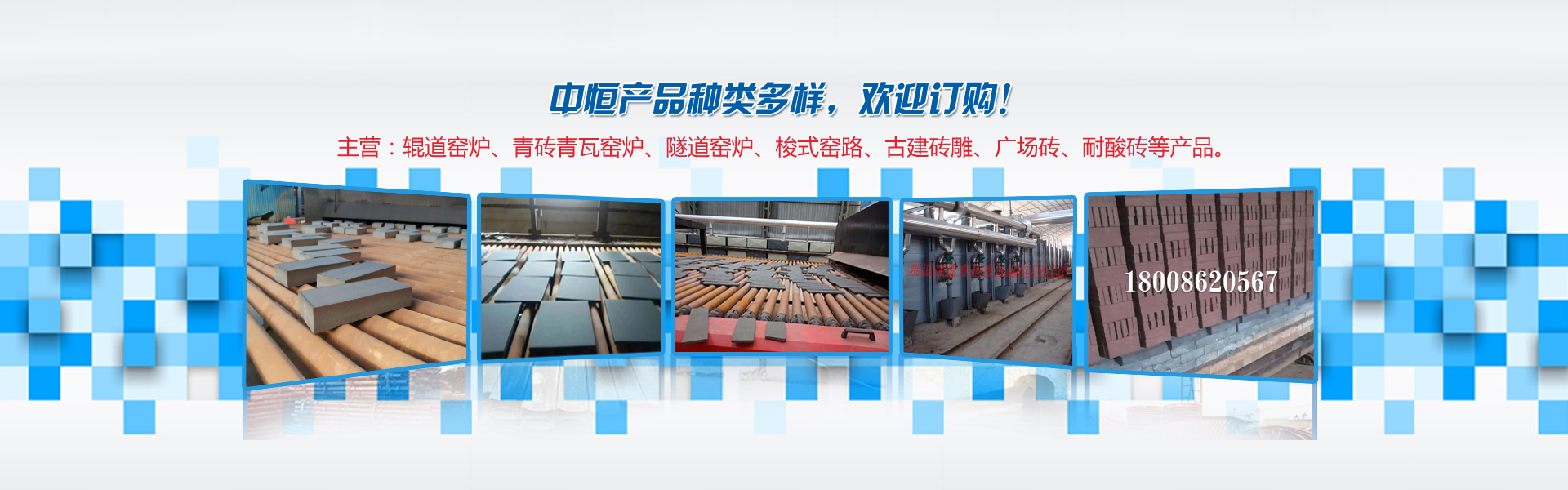
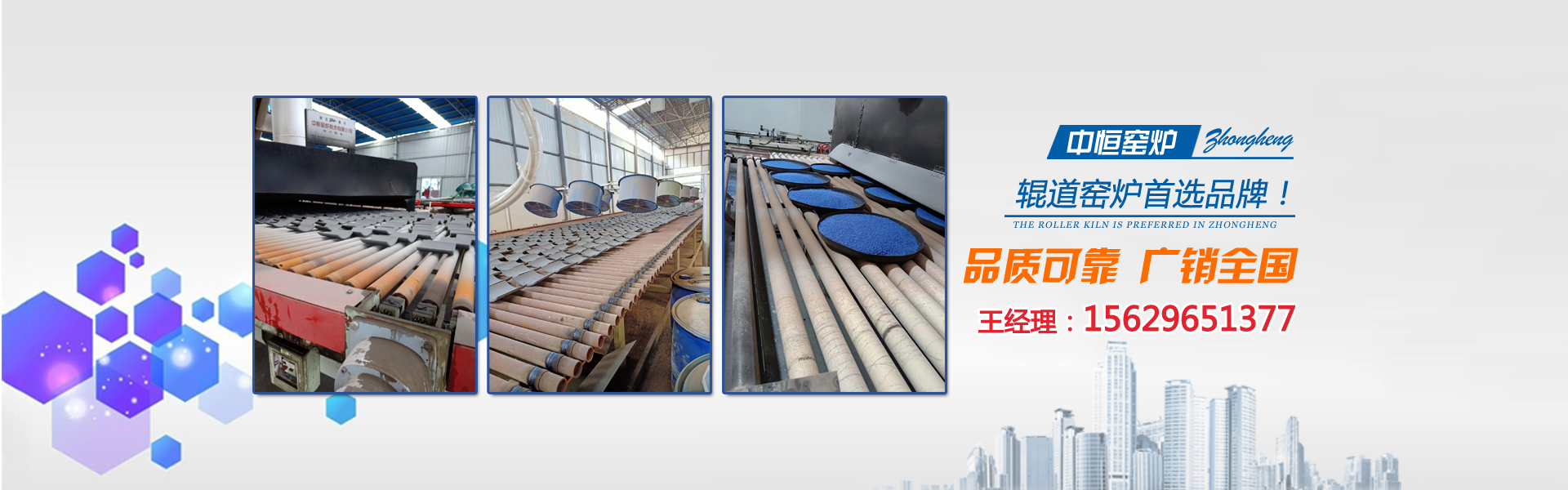
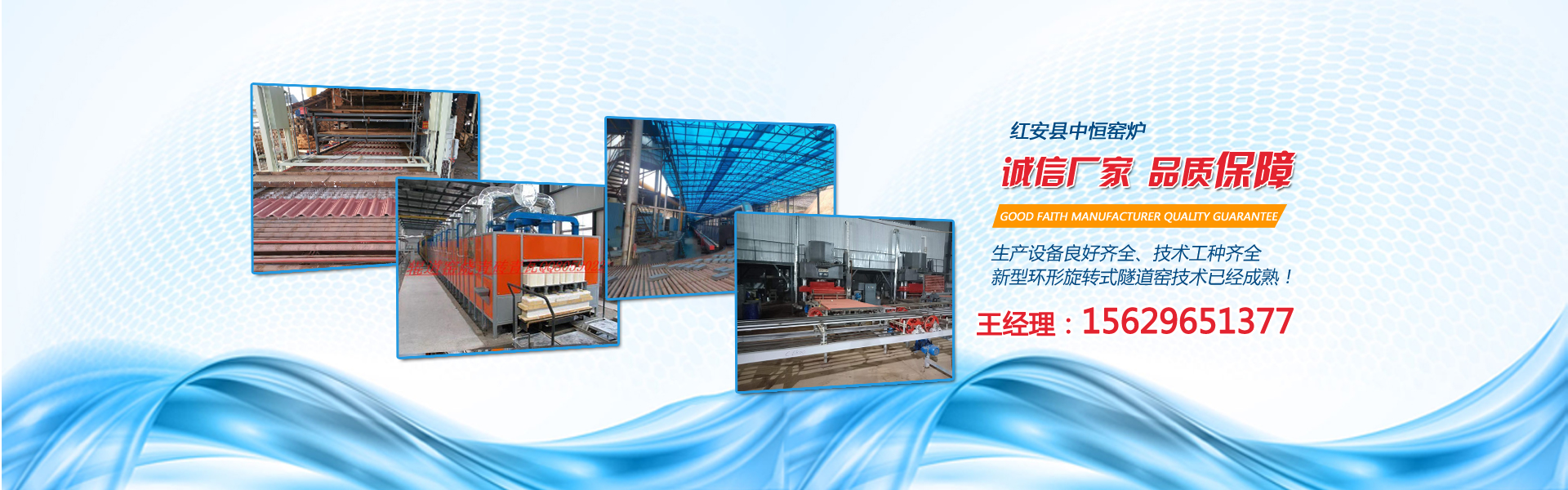

A roller kiln is a lightweight continuous industrial furnace widely used for the rapid firing of products such as chemical powders and ceramic substrates, offering advantages like low energy consumption, short firing cycles, and low labor intensity. The kiln is divided into the kiln body, feeding and discharging platforms, main drive system, heating elements, and control system.
The temperature control utilizes PID automatic control. It features automatic heating adjustment, PID self-tuning, and zero-crossing triggering. The actuator is a bi-directional thyristor, offering advantages such as no mechanical contacts, no noise, long lifespan, and no interference with the power grid. The operation is centralized and the observation is intuitive. The temperature measurement uses an insertable thermocouple, with a dedicated insertion hole for the thermocouple. When not in use, a refractory fiber plug is used to tightly seal the hole to prevent heat from escaping the furnace chamber. The control system ensures normal operation under rated conditions and can run continuously for 24 hours a day.
Common Fault Solutions
(1) Misalignment: The primary cause is the non-perpendicularity between the roller bar and the kiln's axis. Solution: Adjust the positions of both ends of the roller bar to align it with the kiln's axis.
(2) Roll Breakage: The primary cause is friction or jamming between the roller bar and the hole brick. Solution: Replace the roller bar and adjust the position of the bar to create a gap between the roller bar and the hole brick.
(3) Roll Bar Not Rotating: The cause is loose joints or missing spring blades. The solution is to tighten the screws or re-install the spring blades.
