
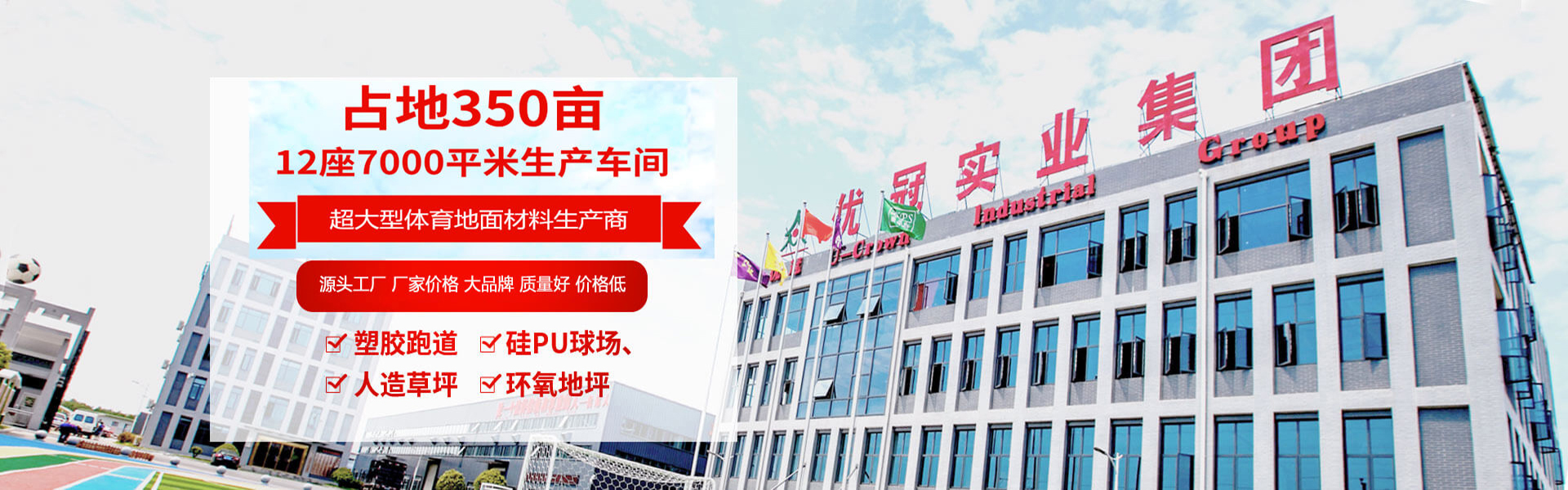
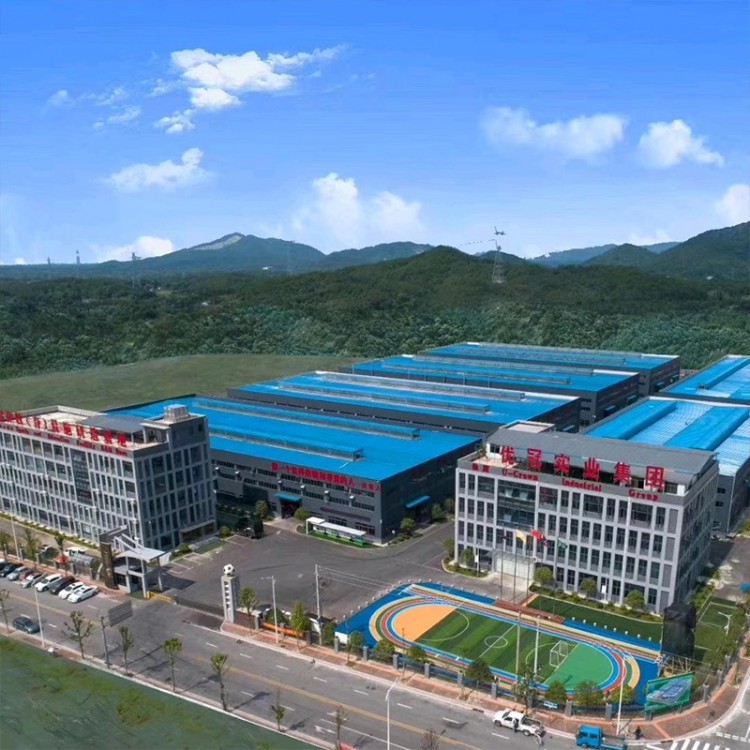
During the construction of plastic tracks, the material ratio plays a crucial role. The correct selection and reasonable allocation of various materials can ensure the quality and service life of the track, while also improving construction efficiency and reducing costs. Therefore, when constructing plastic tracks, it is essential to pay attention to the selection and optimization of material ratios. Today, the original manufacturer of plastic track materials in Zhejiang will introduce these to you.
First and foremost, it's crucial to understand that the quality of塑胶跑道 materials directly impacts the track's performance and effectiveness. Different manufacturers use varying proportions of rubber granules, pigments, additives, and other materials, leading to product performance discrepancies. For instance, an excess of rubber granules can result in overly high elasticity and lack of stability; too much pigment can make the color too vibrant, affecting the track's wear resistance. It's essential to thoroughly research the ratio standards and performance characteristics of various materials before construction, ensuring the chosen materials meet both design and user requirements.
Next comes the rational material ratio. An accurate and reasonable material ratio can enhance construction efficiency and reduce costs. An irrational material ratio may lead to waste or require additional labor and resources for supplementation. Before constructing a塑胶跑道, it's essential to understand the manufacturer's provided material ratio and conduct a small-scale test. Then, adjust and optimize it based on the actual situation to ensure both construction progress, quality, and cost reduction.
The importance of the material ratio in plastic track construction cannot be overlooked. Here, YG Sports, a leading plastic track material manufacturer in Zhejiang, kindly reminds you: Only by scientifically and reasonably selecting and configuring various materials can the quality and service life of the track be guaranteed, while also enhancing construction efficiency and reducing costs.