
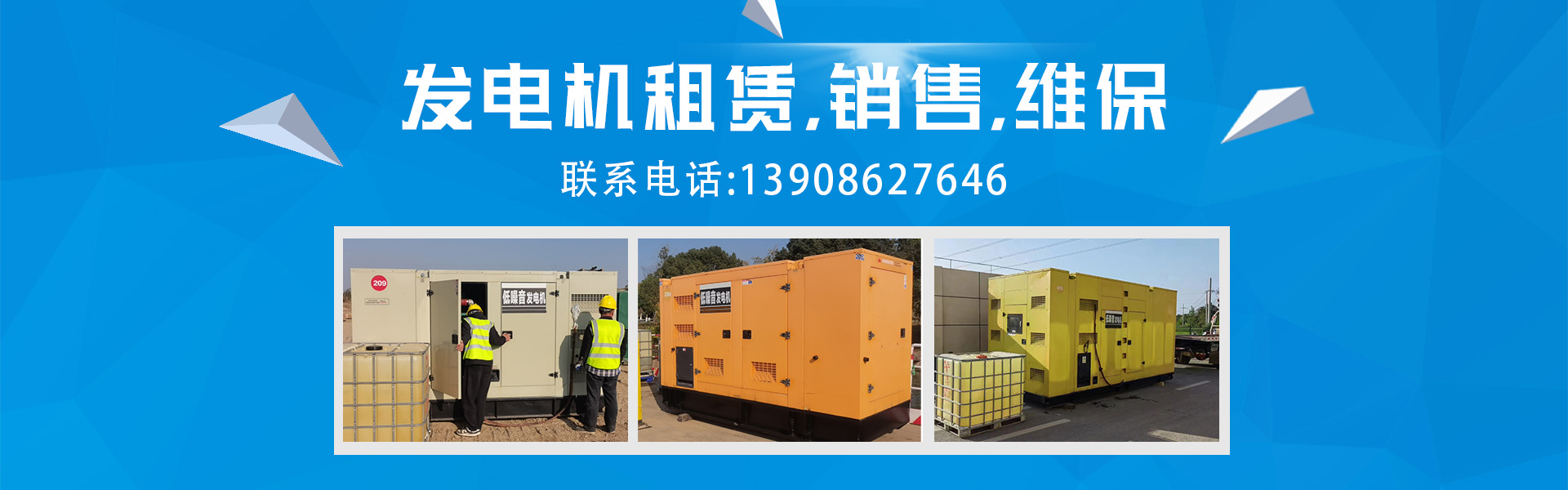
An electric generator is a device that converts mechanical energy or other forms of energy into electrical energy. It typically consists of the following main components:
Magnetic Equipment: This includes rotors, stators, and windings. Their function is to generate electromagnetic force, converting mechanical energy produced during the rotation of the rotor into electrical energy.
2. Electric Motor Equipment: Includes stators, rotors, bearings, end caps, etc. Their function is to transmit the electromagnetic force generated by magnetic equipment to the rotor, enabling it to rotate and produce electrical energy.
3. Control Equipment: Includes sensors, actuators, and controllers. Their function is to detect the working status of magnetic and motor equipment, and based on the detection results, control the speed and current of the rotors to produce electricity that meets the required specifications.
4. Insulating Equipment: Includes housings, linings, junction boxes, etc. Their purpose is to protect motor and control equipment from external environmental influences and prevent the leakage of electromagnetic forces, ensuring the safe operation of the equipment.
In addition to the aforementioned main equipment, it may also include cooling equipment, lubrication equipment, and noise reduction equipment, all of which are designed to ensure the smooth operation of the generator set and enhance its power generation efficiency.
In summary, a generator set is a complex system composed of multiple devices, each playing a distinct role within the system, collaborating to convert mechanical energy or other forms of energy into electrical energy.
Is the Silent Generator Really Silent?
Noiseless generators are not completely "noiseless"; they do produce a minimal amount of noise. The operation of generators generates a certain level of noise, which is caused by the movement of mechanical components and electromagnetic forces, among other factors.
However, modern silent generators have undergone various technological improvements that can significantly reduce noise generation. These enhancements include the use of more efficient engines, the adoption of vibration reduction technology, and the optimization of the transmission system. As a result, the noise levels of modern silent generators have been greatly improved compared to traditional generators.
Furthermore, silent generators can also implement certain design measures to further reduce noise. For instance, using low-speed engines and reducing exhaust noise from the engine. Additionally, the generator room for silent generators has been meticulously designed to enhance soundproofing, thereby further minimizing noise generation.
In summary, modern silent generators have made significant advancements over traditional models. While they still produce minimal noise, through multiple technical improvements and design optimizations, the noise levels of modern silent generators have been greatly controlled, almost rivaling a soundless environment. Consequently, under normal circumstances, the use of silent generators will have minimal impact on the surrounding environment.