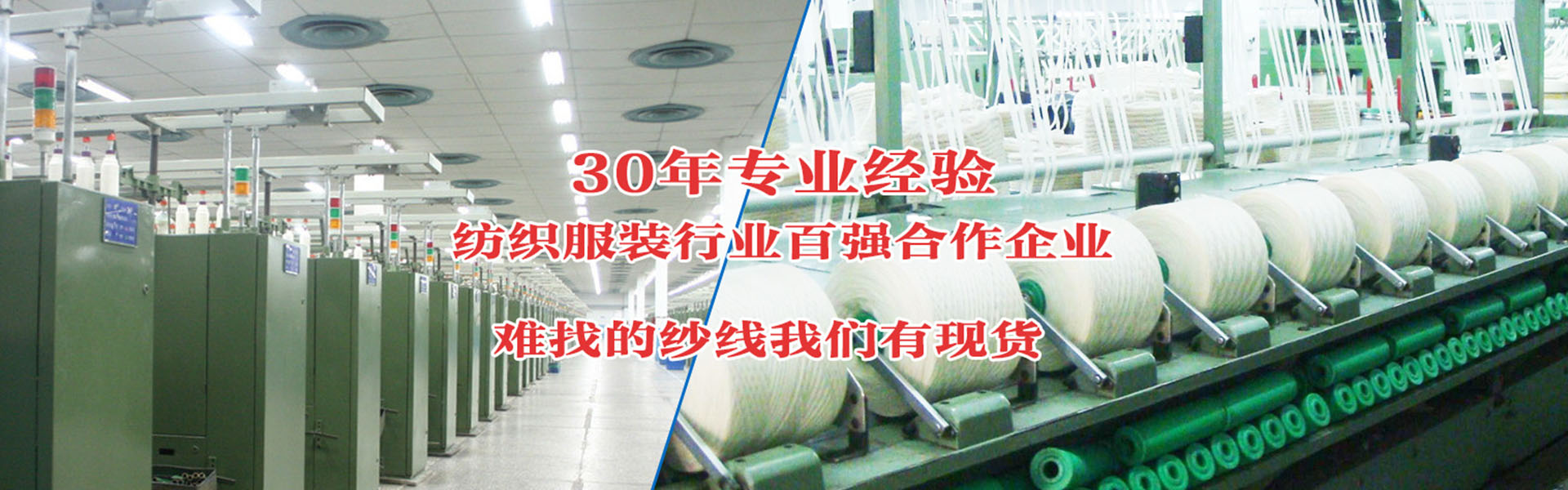

Specialty yarns including high twist, low twist, untwisted, high tenacity,涡流纺, reverse twist, and bamboo yarn. Offering fine cotton (BCI), organic cotton (GOTS, OCS), recycled cotton, polyester (GRS), African cotton, Pima cotton yarns, and certificates. Hard-to-find yarns, we have them in stock.
Henan QiangNian (Weixian Hexin) Product Hotline: 13903781186, Mr. Liu
Advantages and Disadvantages of Polylactic Acid Fiber
Poly乳酸 fibers exhibit mechanical properties similar to polyester fibers, boasting high tensile strength and elongation at break. They possess excellent morphological stability, nearly matching the performance of cotton-polyester blends, with a superior luster and a fluffy texture. They also share the strength and elasticity of traditional polystyrene. When blended with cotton for underwear, they facilitate moisture transfer, providing a dry feeling against the skin and excellent shape retention and wrinkle resistance. Poly乳酸 fibers have good acid resistance and natural lactic acid content, are insoluble in alcohols and ethers, but dissolve in organic solvents like acetone and chloroform. They have poor resistance to alkalis and have a pH level close to human skin, offering a natural hypoallergenic and skin-friendly function. Poly乳酸 fibers also have good thermal stability, with a glass transition temperature of 57°C and melting temperature of 175°C, and a decomposition humidity around 200°C. Their dyeing performance surpasses polyester fibers, requiring no high temperature or pressure, and only the use of disperse dyes. They are hydrophobic, easy to wash, and quick-drying, suitable for both fabrics and fillings and can be machine washed. Poly乳酸 fibers have excellent biocompatibility, are biodegradable, and their degradation products (CO2 and H2O) are non-toxic to humans, have no carcinogenic effects, and are safer. However, the high cost due to polymerization processes and the price of lactic acid, along with the difficulty in controlling the degradation cycle, necessitate further research on poly乳酸. On the supply side, global poly乳酸 production capacity was nearly 400,000 tons in 2020, with the US-based NatureWorks company being the major producer, accounting for 40% of the market share. In China, the production of poly乳酸 is still in its infancy. On the demand side, the poly乳酸 market reached $660.8 million in 2019 and is expected to grow at a CAGR of 7.5% from 2021 to 2026. With the development of domestic modification and blending technologies, bio-based plastics are approaching traditional petrochemical plastics in terms of hardness, mechanical strength, heat resistance, and transparency, marking the burgeoning growth of China's PLA fiber industry. As a substitute for traditionally uncompetitive petrochemical plastics, poly乳酸 holds promising applications.
Specialty yarns including high twist, low twist, untwisted, high tenacity,涡流纺, reverse twist, and bamboo yarn. Offering fine cotton (BCI), organic cotton (GOTS, OCS), recycled cotton, polyester (GRS), African cotton, Pima cotton yarns, and certificates. Hard-to-find yarns, we have them in stock.
Henan QiangNian (Weizhou Hesheng) Product Hotline: 13903781186, Mr. Liu