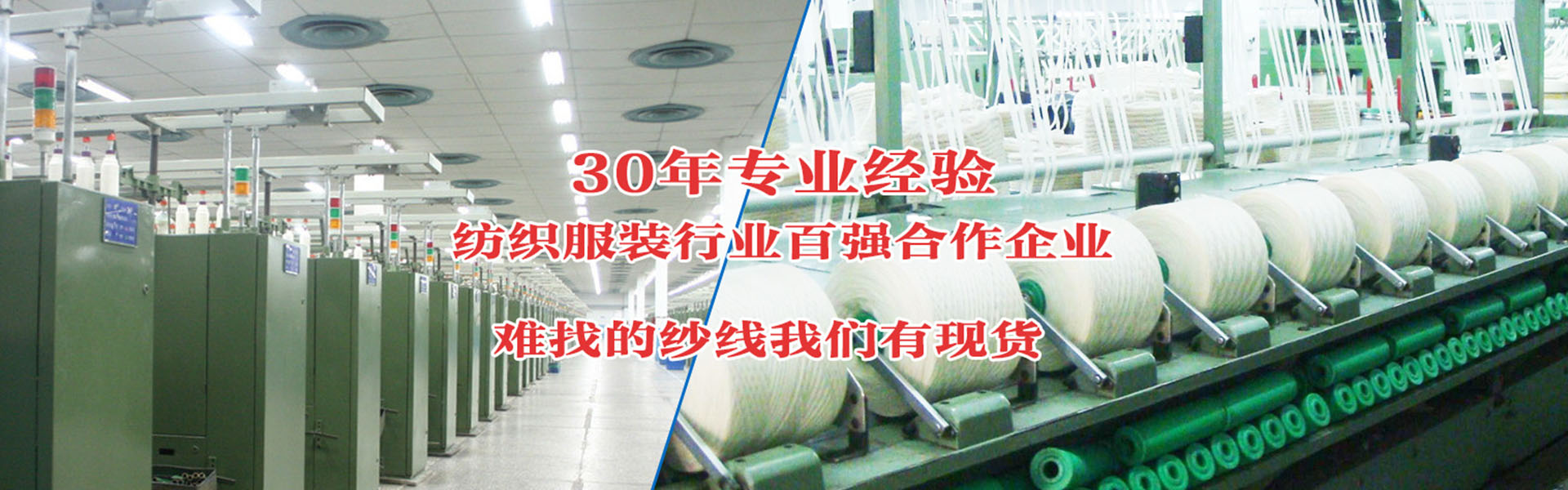


"Specialty yarns including strong twisted, low twisted, untwisted, high strength yarn,涡流纺, anti-twist, and bamboo yarn. Offering high-quality cotton (BCI), organic cotton (GOTS, OCS), recycled cotton, polyester (GRS), African cotton, and Pima cotton yarns with certificates. Hard-to-find yarns, we have stock."
Henan QiangNian (Weizhou Hexin) Product Hotline: 13903781186, Mr. Liu
The shrinkage rate measures the degree of shrinkage in fabrics, which is the result of free contraction of the fabric in water while in a completely relaxed state during cylindrical washing. Not only does the shrinkage occur in pre-dyed and finished fabrics as well as garments during relaxed washing, but it also happens in newly knitted greige goods when they are soaked in water in a completely relaxed state, leading to dimensional shrinkage, known as shrinkage. The shrinkage process of knitted fabrics during water washing or water relaxation treatment is a combined result of fiber shrinkage, yarn shrinkage, and fabric structure shrinkage.
Fiber Shrinkage
In spinning, fiber drawing (chemical fibers), weaving, and high-tension finishing processes, fibers elongate due to external stretching and form internal stresses within the fibers. The drying action under stretching and the cohesive forces between fibers, as well as the interlacing resistance between yarns, temporarily fix this elongation and internal stress. When treated with water or steam, water molecules weaken the interaction forces between the macromolecular chains of fibers, lowering the energy barrier for their recoil. Under the influence of internal stresses, fibers will shrink. Long-fiber fabrics, yarns with low twist, and regenerated cellulose fiber fabrics are prone to elongate under external stretching during wet finishing processes such as scouring and dyeing, leading to significant shrinkage. For cotton knitted fabrics, if the scouring and dyeing processes use a relaxed processing method, fibers are not stretched, resulting in minimal shrinkage due to fiber properties. However, if a stretching tension method is used, a higher shrinkage rate may occur. It is crucial to note that fiber deformation caused by external stretching is difficult to recover due to the cohesive forces between fibers and the interlacing resistance (loop-to-loop junctions) between yarns. Therefore, control over external stretching forces during the scouring and dyeing processes of cotton knitted fabrics should be emphasized.
"Highly twisted yarn, low twisted yarn, untwisted yarn, high tenacity yarn,涡流纺yarn, reverse twisted yarn, bamboo yarn, and other "specialized, refined, unique, and innovative" yarn varieties. Offering good quality cotton (BCI), organic cotton (GOTS, OCS), recycled cotton, polyester (GRS), African cotton, and Pima cotton yarns along with certificates. Hard-to-find yarns, we have them in stock."
Henan QiangNian (Wei Shu He Sheng) Product Hotline: 13903781186, Mr. Liu