


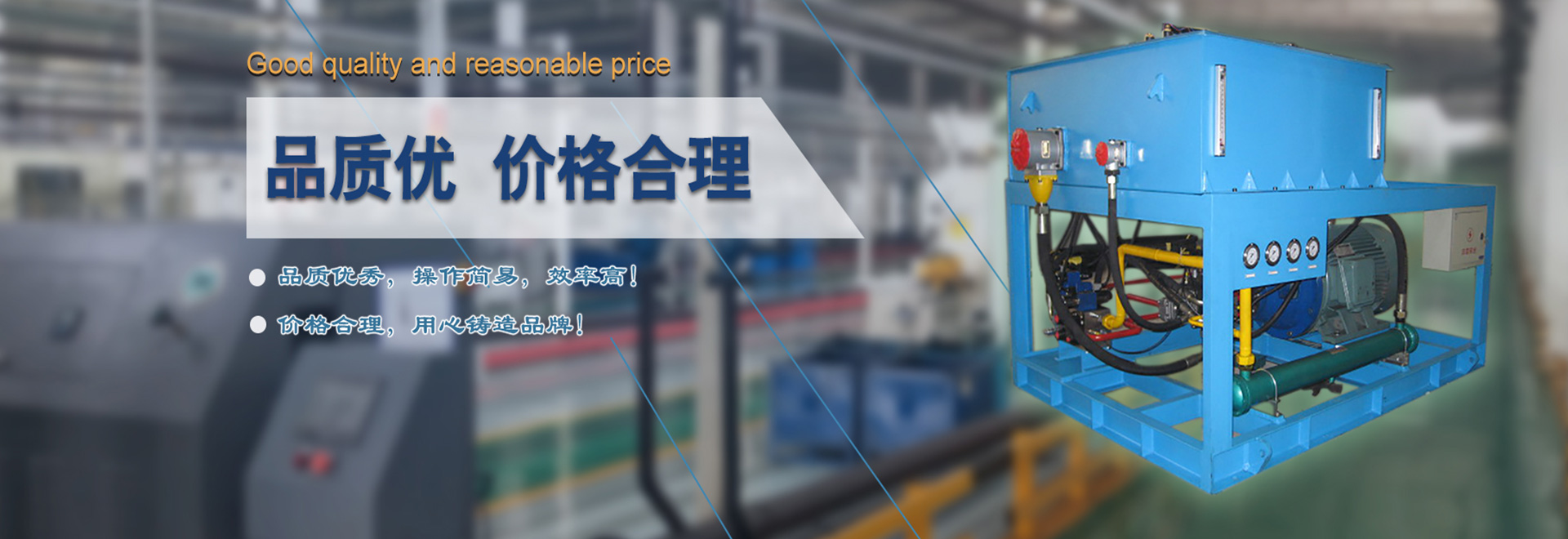

Hydraulic oil isHydraulic SystemA particularly crucial and important chemical substance, it must be carefully selected. Hydraulic oil serves numerous functions within hydraulic systems, such as transmitting kinetic energy, lubrication, sealing, cooling, and rust prevention. It circulates through all the piping, small holes, gaps, and openings in the hydraulic system, making the choice of hydraulic oil extremely important for the system.
Common Questions on Selecting Hydraulic Oil for Hydraulic Systems
1Hydraulic oil expansion properties
Hydraulic systems stipulate that the fluid density of hydraulic oil should be as small as possible.
2Hydraulic Oil Stability
Hydraulic systems anticipate their hydraulic oil to possess anti- The stability against oxidation and hydrolysis reactions increases the service life of hydraulic oil.
3Hydraulic oil's wettability
The smoothness of hydraulic oil can have a significant detrimental effect on its operational characteristics.
4Demulsibility of hydraulic oil
Hydraulic systems should minimize air bubbles and foamed plastics caused by hydraulic oil, and their dissipation should be rapid.
5Corrosion resistance and anti-rust properties of hydraulic oil Corrosion
Under the influence of water and air, the metal surface of the hydraulic system Rust and corrosion can occur. The particles caused by rust and corrosion can circulate within the hydraulic system, damaging the appearance of the fitness equipment and leading to common hydraulic system malfunctions. Therefore, it is specified that hydraulic oils possess certain anti-rust and corrosion-resistant properties. Corrosion resistance, preventing rust and immersion damage to metal surfaces.
The current hydraulic systems are equipped with a stable deceleration automatic control system, which enhances reliability metrics when issues arise. Now, we have mastered temperature adjustment, as well as an automatic refrigeration equipment hydraulic system to address the challenge of the system software's inability to adjust the hydraulic system's temperature to the lower limit. In the current process, this includes the current temperature sensor, expansion of the fuel tank, the main control panel, output terminals, and auxiliary control input/output terminals, as well as the automatic control system.PLCThe company has controlled the operation of the system's hydraulic system, and has set the operation of cooling fans or electric heaters, ensuring the hydraulic system operates at a stable temperature.
