



 通过中商114认证
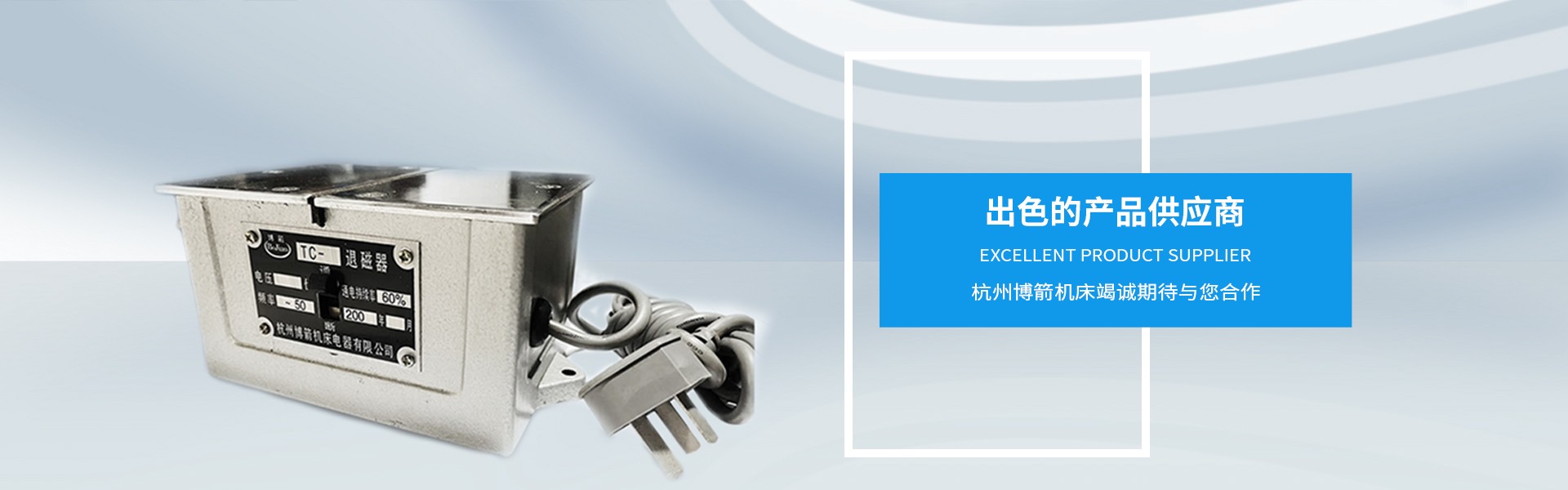
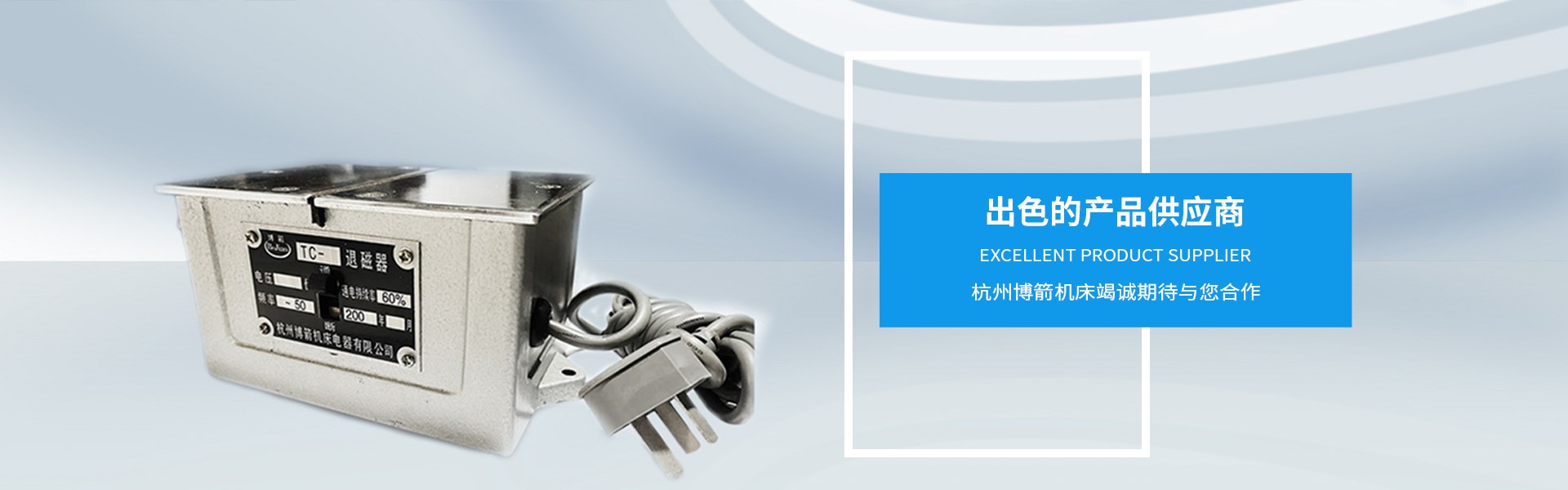
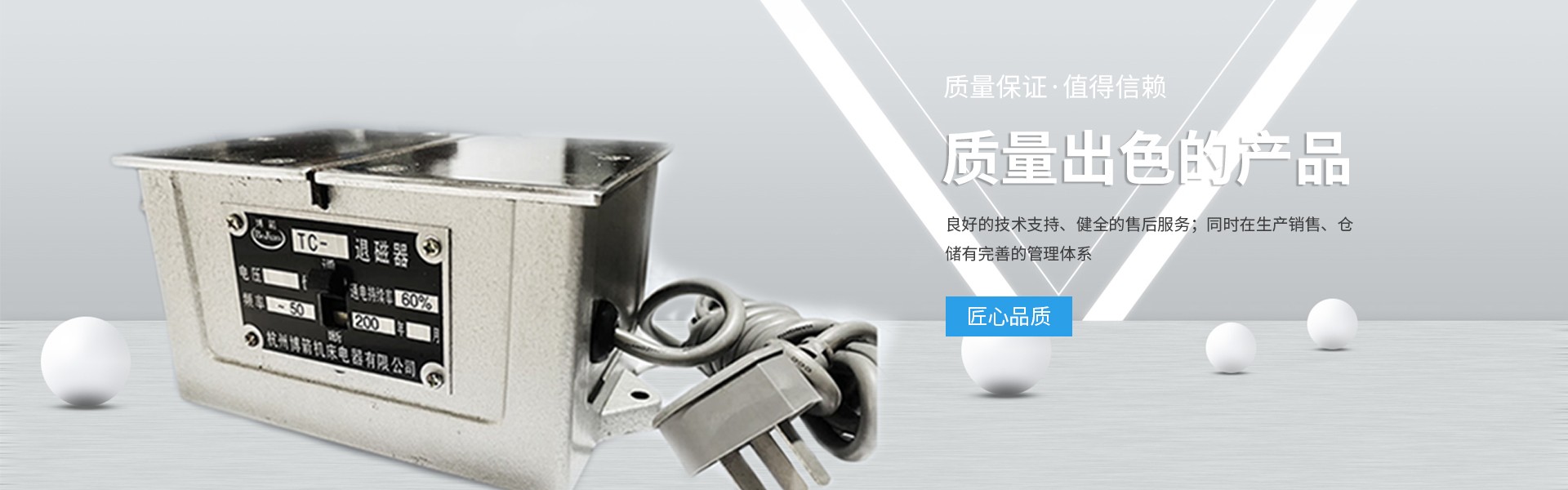
Magnetic eraser, also known as a degausser.
A device that removes residual magnetism from ferromagnetic objects is called a degausser. The methods of degaussing are categorized into permanent magnet, direct current, and alternating current types. Degaussers in broadcast systems are primarily used to eliminate residual magnetism from recorded program signals on tape, as well as from recording devices, related accessories, and tools.
Demagnetizers typically use electromagnets with an open core and pass 50 Hz alternating current through them. During demagnetization, the object to be demagnetized is brought close to the demagnetizer, causing the magnetism to reach saturation, and then gradually moved away. This causes the hysteresis loop to shrink until only residual magnetism remains. Alternatively, a damping oscillating current can be passed through the electromagnet's coil to act as a demagnetizer. When using this type of demagnetizer, the object to be demagnetized does not need to be gradually moved away.
Color television sets may exhibit color spots on the screen's perimeter during operation when subjected to strong magnetic fields, either from external sources or human interference. This occurs due to magnetization of internal components such as the electron beam, grid plate, and metal parts, which prevents the electron beam from correctly targeting the screen.
Demagnetizers are a repair tool used for the color spot phenomenon on the fluorescent screens of color televisions. Their construction is relatively simple, mainly consisting of an iron core, coil, power switch components, and the shell. The basic principle of operation involves passing a 220V AC power through the coil to generate a strong alternating magnetic field, which is then moved systematically near the cathode ray tube's fluorescent screen by the demagnetizing surface (magnetic line opening surface) to demagnetize the screen.
