日期:2023-09-08 浏览:39
The production process for pork ham typically includes the following main steps:

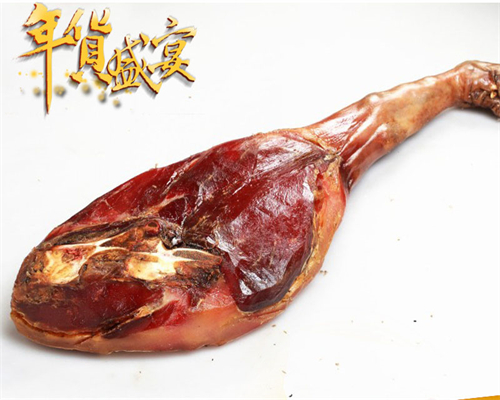
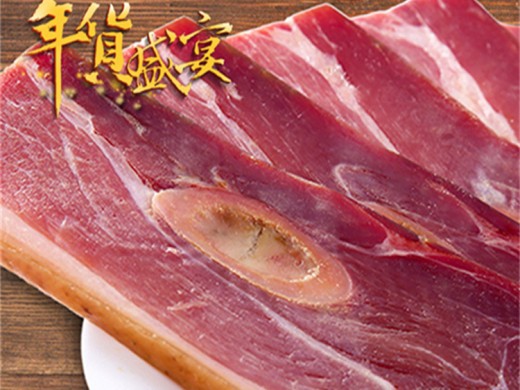
We select fresh, well-balanced pork hind legs as the raw material. The tender meat of the hind legs is ideal for producing ham.
Curing: The selected pork hind leg is then cured, typically using seasonings such as salt, sugar, and spices. The curing process usually takes a longer duration to allow the seasonings to fully penetrate the pork, enhancing the texture and flavor of the ham.
Drying: After salting, the prepared pork hind leg is hung to dry in a well-ventilated area, allowing the surface moisture to evaporate and making the meat more firm.
Curing: After being hung to dry, the pork hind leg must be cured. The typical fuel used for curing is cedar or cypress wood, which imparts a smoky flavor and allows the pork to gradually mature. The curing time and temperature depend on the size of the ham and the specific curing process.
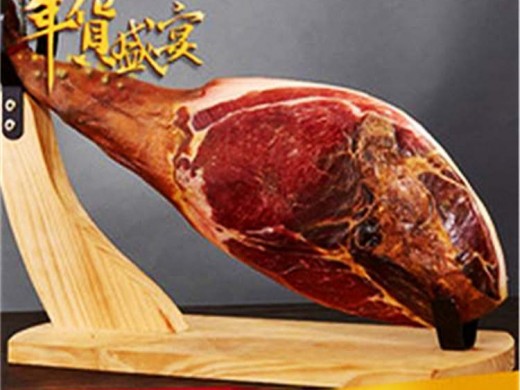
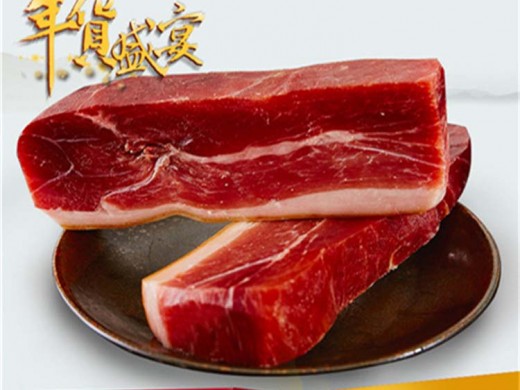
Maturation and Storage: After curing, pork ham requires a period of maturation and storage to enhance its richness. The maturation process usually takes a longer time, ranging from several months to even longer. It's important to note that the production process of ham may vary slightly due to regional differences and traditional practices, but the aforementioned is the general process for making pork ham. Strict control of hygiene and temperature is necessary during the ham production to ensure quality and food safety.