
日期:2023-09-08 浏览:55
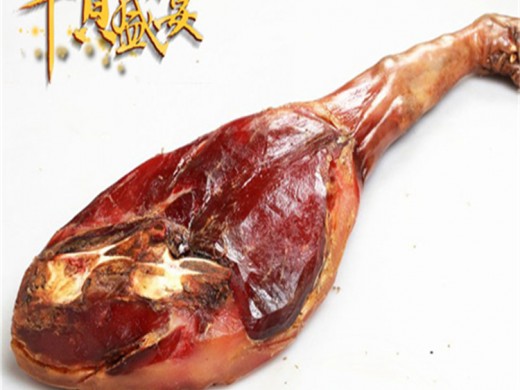
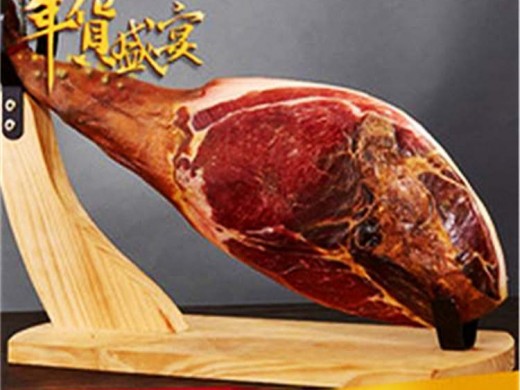
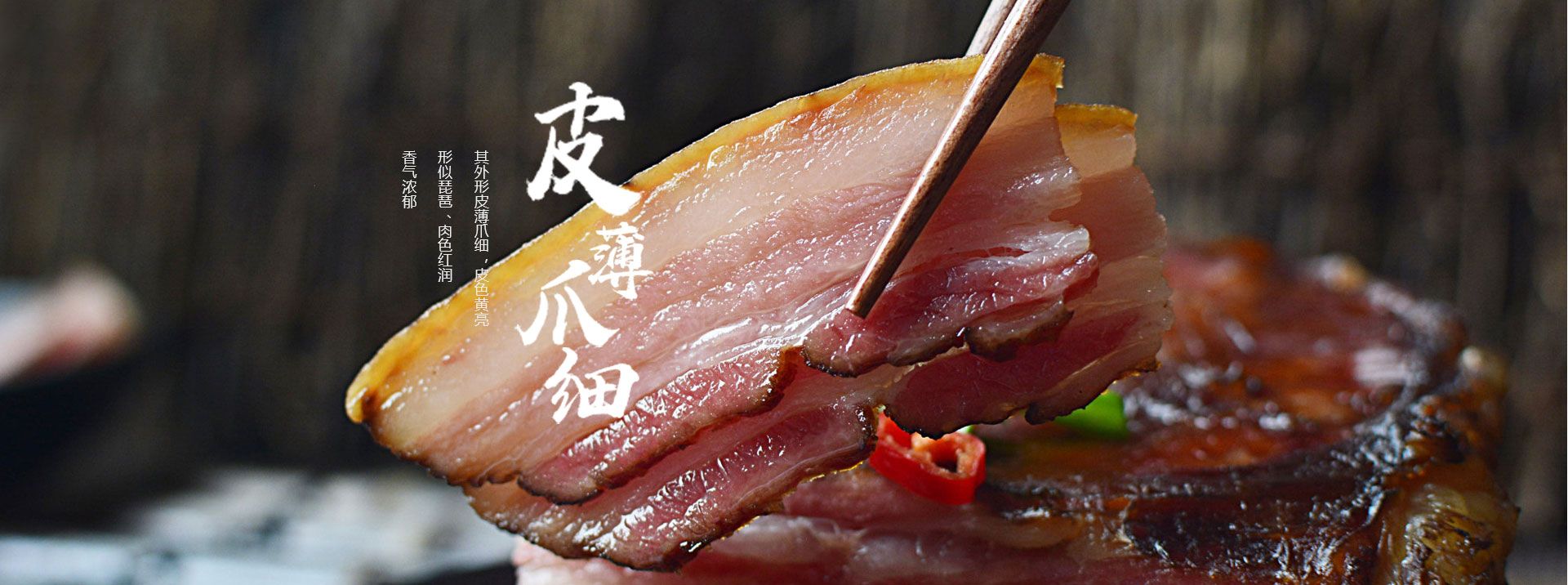
When selecting ham, we should pay attention to the corresponding techniques. We should carefully observe its appearance during this period. Generally, the requirements are dry skin, firmness both inside and out, thin skin, slender feet, uncracked legs, a shape resembling a pipa or bamboo leaf, complete and even, with a brownish yellow or brownish red skin, and bright light. You can use a bamboo stick to pierce it into the meat and then pull it out to smell it. If you can detect a rich aroma, then this is a good ham. Next, I will introduce the detailed selection methods to everyone.

1. Check the variety.
There are generally three types of ham on the market: southern ham is Jinhua ham, northern ham is Subei ham, and yun ham is Rongfeng ham. Among them, Jinhua ham is well-known and thus commands a higher price.
2. Appearance Check
The casing of high-quality sausages tightly adheres to the meat, and the dried sausages have elasticity; whereas, the casing of poor-quality sausages is wet and sticky, and the sausages lack elasticity.
3. Smell the scent
Fresh ham and sausages naturally have a savory aroma; poor-quality ham may have a rancid oil smell or other odors. When inspecting, you can pierce the ham with a bamboo skewer, and upon withdrawal, smell the skewer for any odors. Use several skewers to check different parts of the ham.
4. View Slices
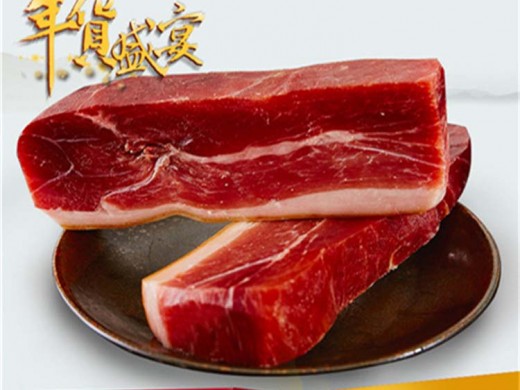
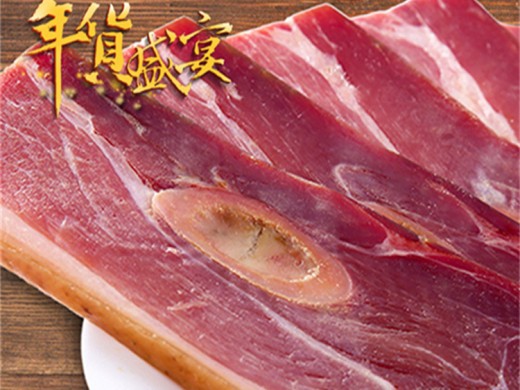
High-quality ham is dense and elastic. Once cut, the cross-section is a deep red, vibrant and even in color; whereas low-quality ham has a soft texture and a cross-section that is gray, brown, or black, with uneven coloring.
How to Choose Ham?
Additionally, the production of ham spans ten months and requires processes such as trimming the leg, shaping, salting, soaking, washing, sun-drying, and fermentation, all encompassing seven steps. Generally, the ideal time for ham production is between the winter solstice and the following spring, so when purchasing ham, be mindful of the production date.