日期:2024-09-29 浏览:39
Below is a common method of ham processing:
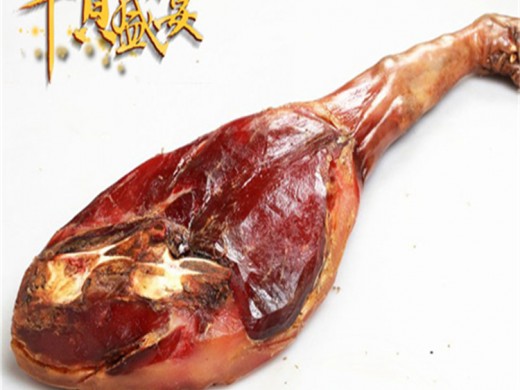
Ingredient Selection: Fresh pork hind legs are chosen, requiring tender meat with no damage.
Trimming: Remove excess bone and fascia from the pork hind leg to achieve a neat ham shape.
Curing: Apply a uniform layer of salt over the surface of the pork leg, then place it in a container for curing. The curing time and amount of salt depend on the size of the ham and personal taste, typically requiring several days to several weeks.
Washing: Remove the cured ham from the brine, rinse it thoroughly with clean water to remove any surface salt and impurities.
Drying: After washing the ham, hang it in a well-ventilated and sun-exposed area to allow the surface to gradually dry. The drying time also depends on the weather conditions and the size of the ham, generally requiring several days to several weeks.
Fermentation: The cured ham is placed in a fermentation room to undergo fermentation, enhancing its flavor. The duration and temperature of fermentation depend on the type of ham and personal taste, typically requiring several weeks to a few months.
Mature: After fermentation, the ham needs to be stored for a period to enhance its tenderness. The maturation time varies depending on the type of ham and personal preference, generally ranging from several months to several years.
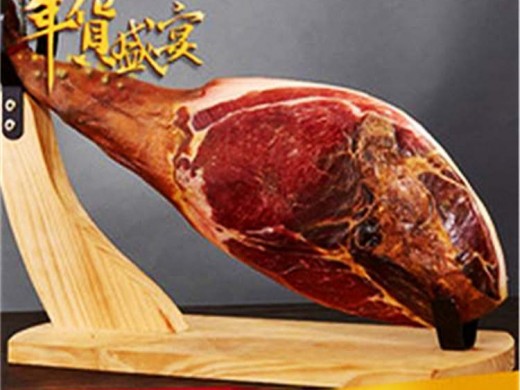
Packaging: The mature ham is packaged to preserve its freshness and texture.
It is important to note that the processing of ham requires strict control over sanitation and temperature to ensure its quality and safety. Additionally, the methods of ham processing may vary by region and individual, and can be adjusted according to one's taste and experience.