日期:2024-09-29 浏览:73
When enjoying the speciality Jinhua ham, you can judge whether it has gone bad from the following aspects:
**I. Appearance**
Color:
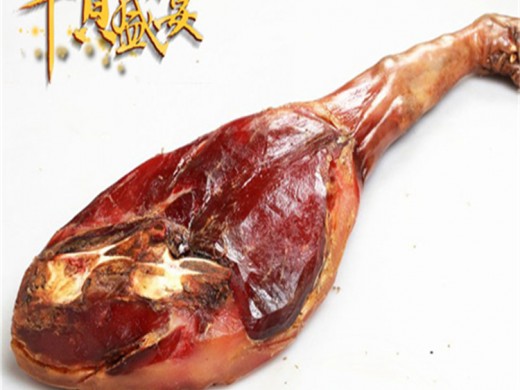
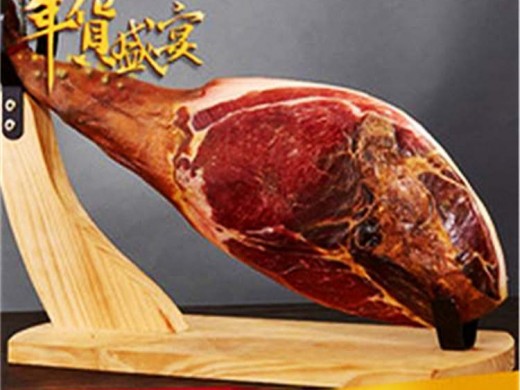
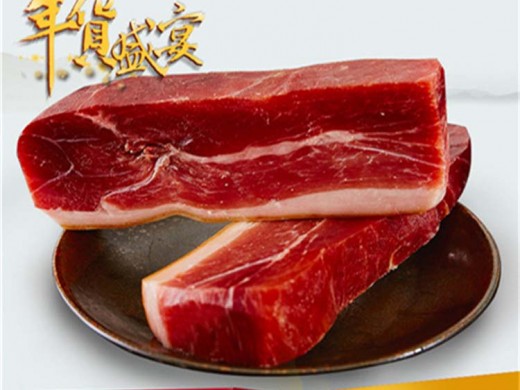
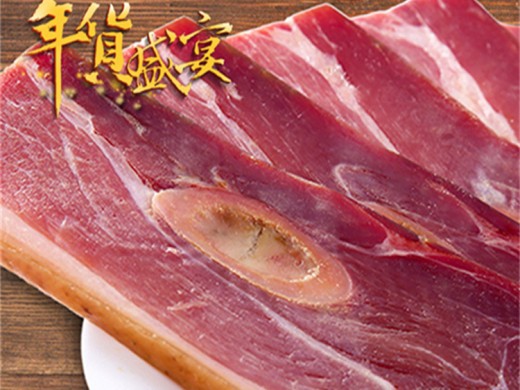
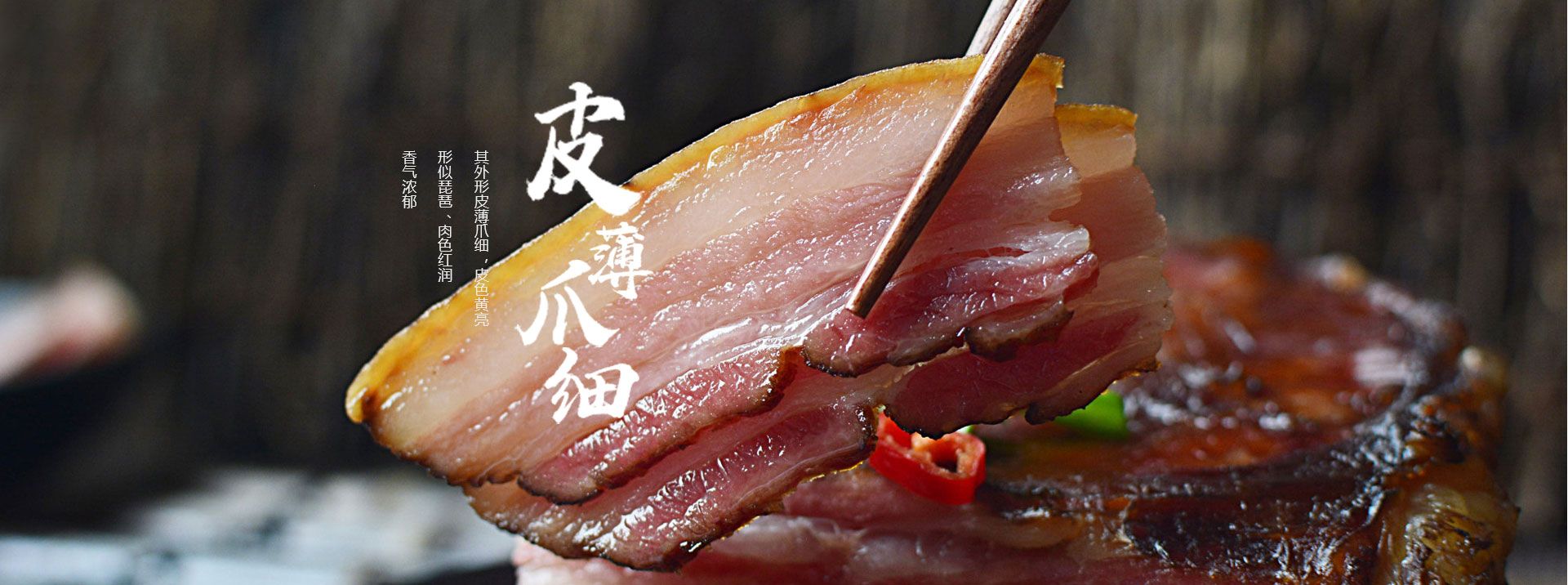
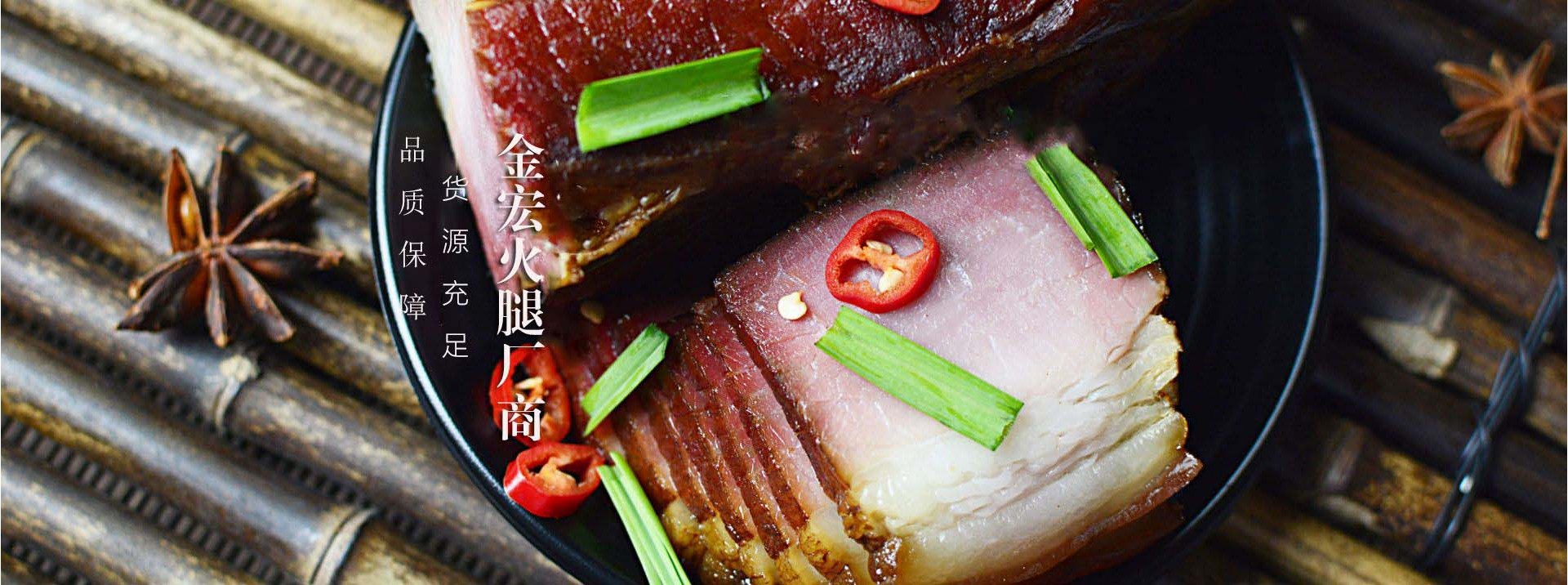
- Genuine Jinhua ham boasts a vibrant color, with the lean portion appearing dark red or pinkish red, and the fatty portion milky white or pale yellow. If the ham's color turns dull or black, or exhibits abnormal colors such as green or blue, it is likely to be spoiled.
- Inspect the surface of the ham for any mold spots. Fresh ham should have a dry, clean surface without any mold spots. If white, black, or other colored mold spots are present, it indicates that the ham has been contaminated by mold and is not safe to eat.
2. Quality:
- Gently press the ham with your hand to feel its texture. Quality Jinhua ham should be firm with a certain amount of elasticity. If the ham feels soft and spongy, fails to return to its original shape after pressing, or shows signs of obvious soft rot, it may have spoiled.
- Inspect the ham for any signs of swelling or deformation. Spoiled ham may swell due to the production of gas by bacteria growing internally.
**II. Scent**
Smell the scent:
- High-quality Jinhua ham is characterized by its unique salty aroma, rich in fragrance yet not overpowering. If the ham emits unpleasant odors such as foul, sour, or rancid smells, it indicates that the ham has gone bad.
- Take the ham close to your nose and give it a good sniff. If the scent is unpleasant or significantly different from the usual aroma of ham, it's best to exercise caution when consuming it.
**III. Taste**
Taste:
- Should you have any doubts about the freshness of the ham, you may first taste a small portion. Normal Jinhua ham, a specialty of the region, should have a moderate saltiness and a savory taste, with tender and chewy meat. If the taste becomes sour or bitter, or if the meat is soft and has an off-putting odor, the ham is likely to be spoiled.
- Please do not swallow while tasting. If you notice an unusual texture, spit it out immediately to avoid food poisoning.