


 通过中商114认证

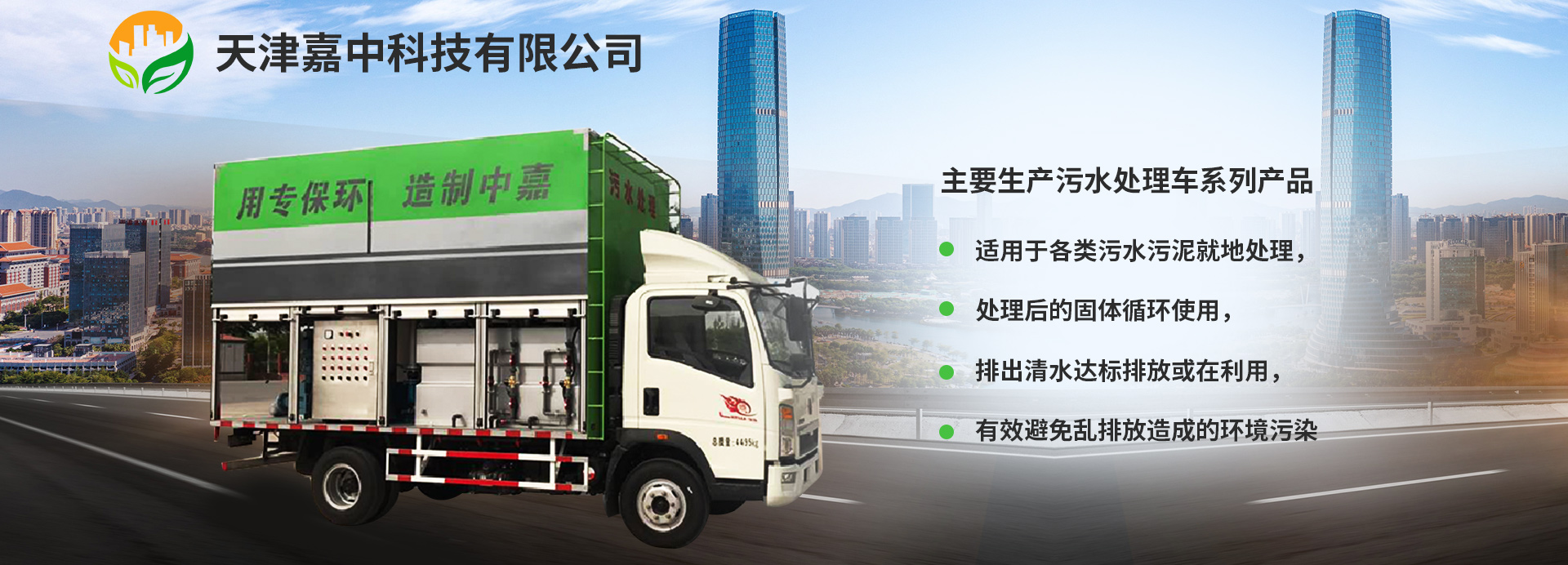
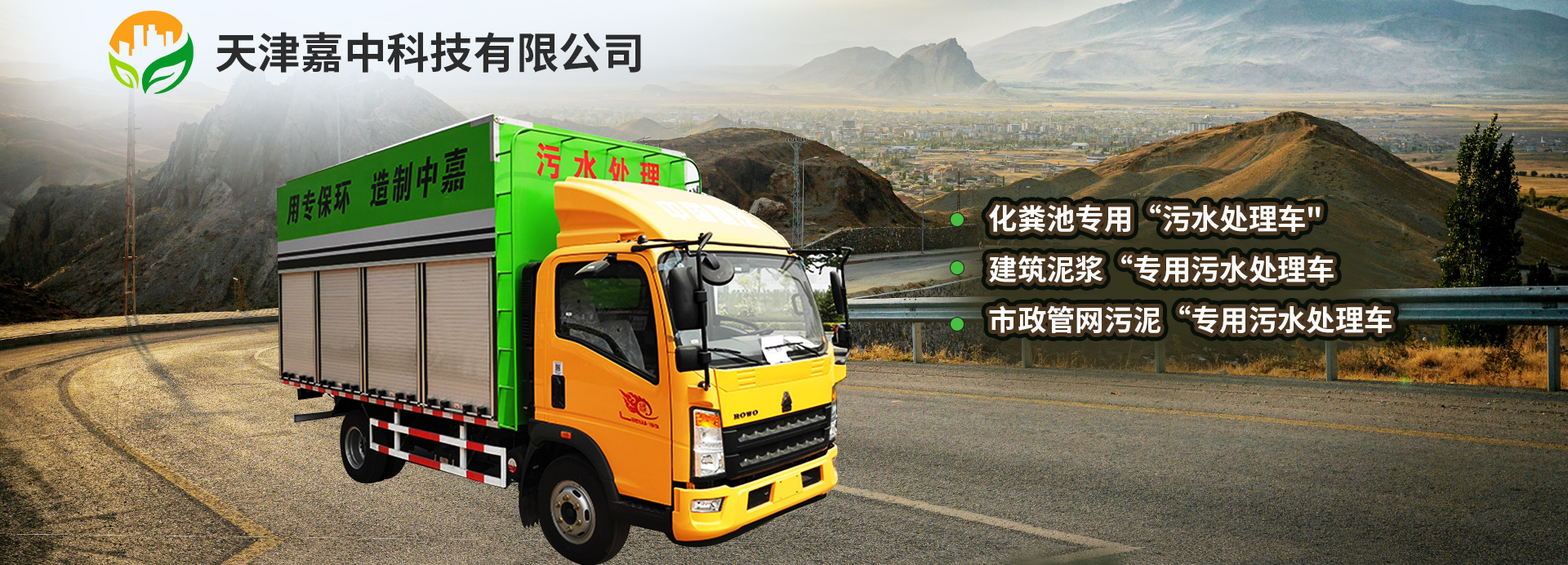
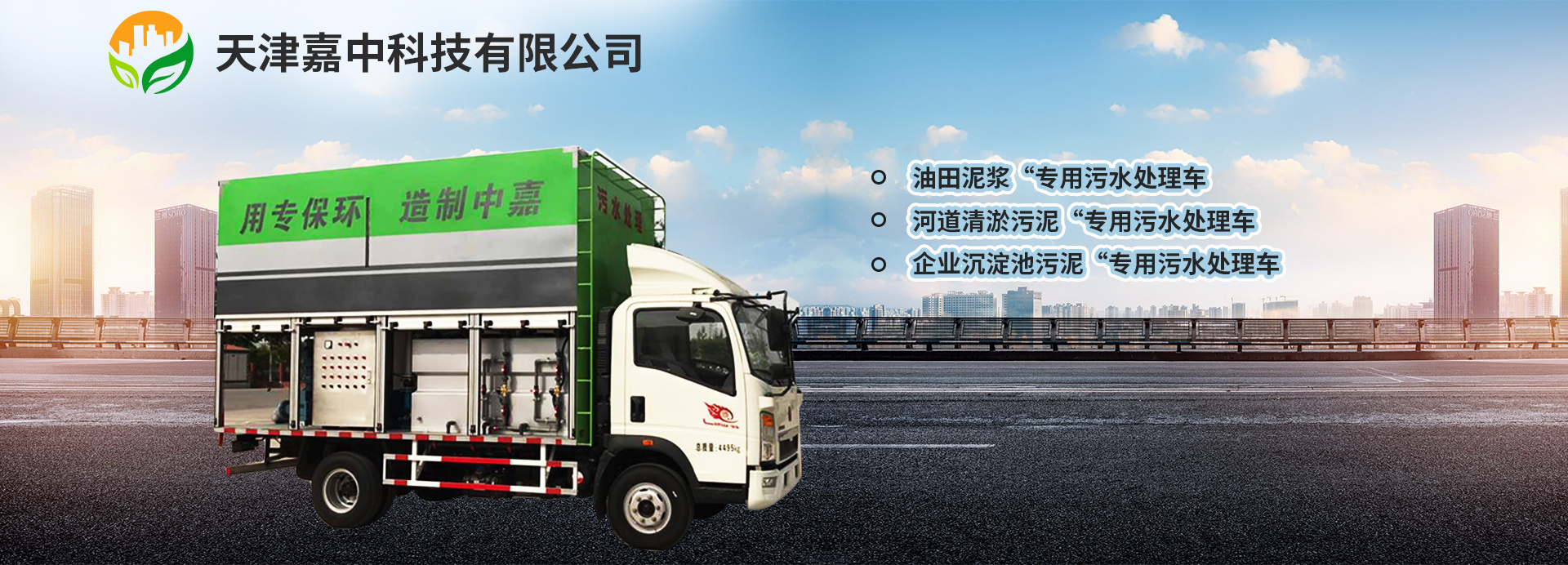
Wastewater treatment trucks optimize sludge handling processes, reducing the yield of residual sludge; sludge wall-breaking and Q-force drying technology enhance sludge dewatering performance; ultimately, sludge carbonization technology achieves resource utilization of sludge, addressing the sludge yield at the source, and ultimately achieving zero sludge discharge. Sludge slurry treatment truck
Sludge carbonization refers to the process of releasing moisture from sludge while retaining the maximum carbon content, resulting in a significant increase in carbon content in the final product. Globally, sludge carbonization is primarily categorized into three types.
1. High-Temperature Carbonization: The carbonization process is carried out without pressure, with temperatures ranging from 649 to 982°C. The sludge treatment vehicle first dries the sludge to a moisture content of approximately 30%, after which it enters the carbonization furnace for high-temperature carbonization granulation. The carbonized particles can be used as low-grade fuel, with a calorific value of about 8,360 to 12,540 kJ/kg. Slurry treatment vehicle
This technology can achieve reduction and resource utilization of sludge, but due to its complex technology, high operational costs, and low calorific value in the product, it has not been widely applied on a large scale. The largest application to date is for 30% moisture sludge.
2. Medium Temperature Carbonization: Carbonization is done without pressure at a temperature of 426-537°C. The sludge treatment vehicle first dries the sludge to a moisture content of approximately 90%, and then it enters the carbonization furnace for decomposition. The process yields oil, reaction water, biogas, and solid carbonization products.
Additionally, this technology involves carbonization of sludge post-drying, which does not yield significant economic benefits. Apart from one treatment plant in Australia, there are no other potential users. Sludge Treatment Vehicle
3. Low Temperature Carbonization: The sludge treatment vehicle does not require drying before carbonization. During carbonization, the pressure is increased to 6-8 MPa, with a carbonization temperature of 315°C. The sludge becomes liquid after carbonization, with a moisture content of less than 50% after dewatering. Once granulated, it can be used as a low-grade fuel with a calorific value of approximately 15,048-20,482 kJ/kg.
The technology, through heating and pressurizing, fully cracks down the biomass in sludge, enabling the removal of 75% of the water content in the sludge through mechanical means alone, significantly reducing the energy consumption during operation. Sludge Treatment Vehicle
All sludge has been pyrolyzed, ensuring the C stability of the sludge. The sludge treatment vehicle informs us that the majority of the thermal value in the sludge was retained during the carbonization process, creating conditions for 14t of energy reuse after pyrolysis.
This article provides information on Sewage Treatment Vehicles, Septic Tank Treatment Vehicles, Sludge Treatment Vehicles, and Well Sludge Treatment Vehicles. For more details, please visit our website: https://www.tjjzkj.com.cn
