

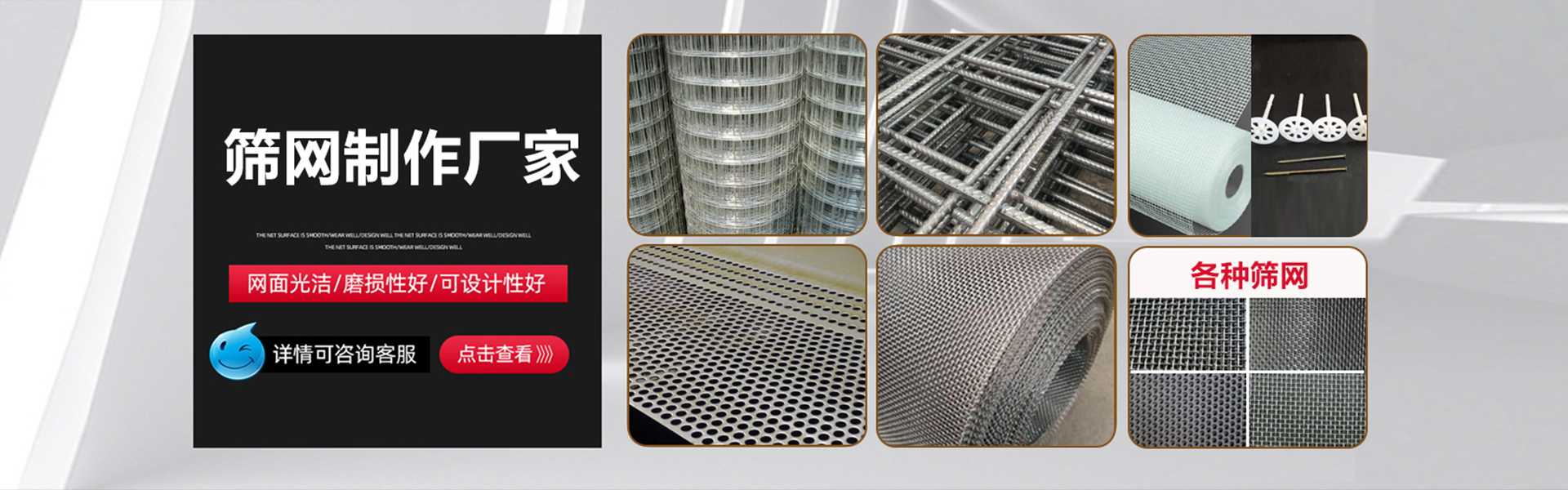


Perforated mesh is a type of sieve panel. As the applications of perforated mesh become increasingly widespread, the manufacturers producing it are also doing well. Let's take a look at the production and manufacturing process of perforated mesh:
1. First, select the material for the steel plate. During the initial stages of perforated mesh production, meticulous mold design is crucial, as the quality of a mold significantly influences the quality of the perforated plate products. Therefore, in recent years, we have invested a substantial amount of funds and effort into our perforated mold department, significantly enhancing our mold design and manufacturing capabilities, and accumulating a variety of mold patterns.
2. Hole Punching of Perforated Mesh: Currently produced using the domestic WKC-2000 CNC punch press equipment. Step motor feeding and PLC operation control ensure product accuracy within +/-0.15MM, and standardized management is implemented, capable of stamping sheets within the range of 10mm to 0.2mm.
3. Perforated Sheet Metal Edge Trimming: In case the edge of the sheet during the manufacturing process exceeds the tolerance range you requested, our skilled technicians can trim off the excess material according to your specifications.
4. Perforated Sheet Cutting: Cut from rolls to the size you require.
5. Perforated Sheet Leveling: We utilize leveling machines to restore the original flatness of the deformed perforated sheets after punching. Sheets with thickness ranging from 0.8mm to 12mm can be leveled. Additionally, we clean the perforations, requiring the use of lubricants, but we also have an oil-removing process to eliminate surface marks, ensuring the sheet appears clean. In addition to customer-specified processing, we offer a range of post-processing services for perforated sheets, including leveling, cutting, labeling, packaging, oil-removal, deburring, forming, annealing, painting, electroplating, welding, polishing, bending, and rolling.
