
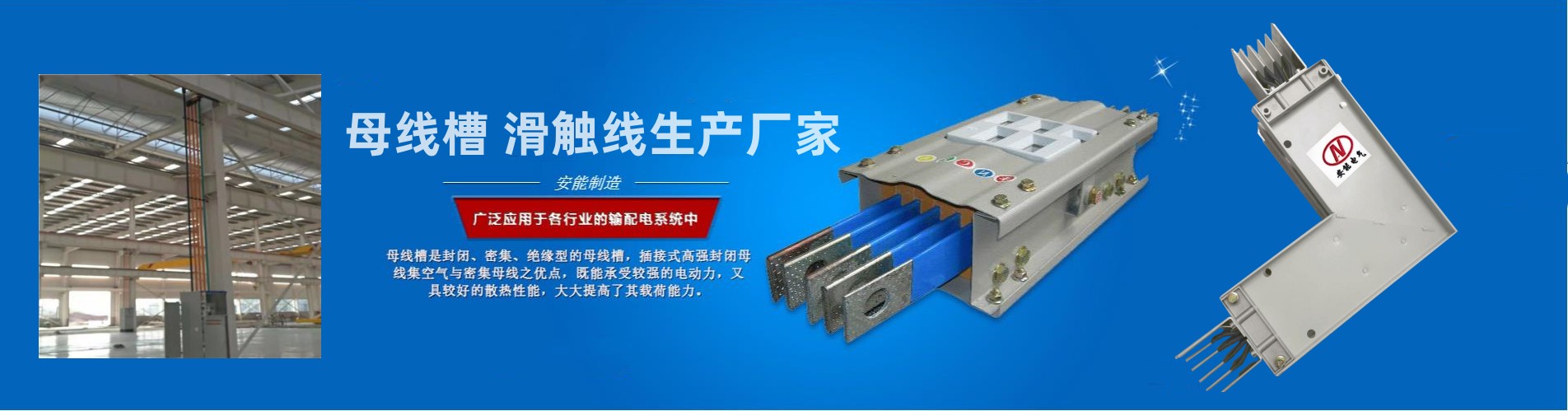

The busway system, known as "Bus-Way-System" and developed in the United States, is a new electrical circuit method that utilizes copper or aluminum as conductors, supported by non-flammable insulators, and then mounted in metal trays to form a new type of conductor. Its actual application in Japan began in Showa 29 (1954). Since then, busways have seen development. Today, they have become an indispensable wiring method for electrical equipment and power systems in high-rise buildings, factories, and other structures, as the demand for power in various buildings continues to rise annually. The traditional conduit wiring method, however, presents many difficulties during construction and is nearly impossible to simplify when changing the distribution system. In contrast, using busways makes this process much easier and also enhances the aesthetic appeal of buildings. Economically, while busways may be more expensive than cables, they significantly reduce construction costs when compared to the entire electrical system, including wiring accessories (refer to the simplified diagram). This cost-effectiveness is even more pronounced for high current capacity applications.
News Center Co., Ltd.
