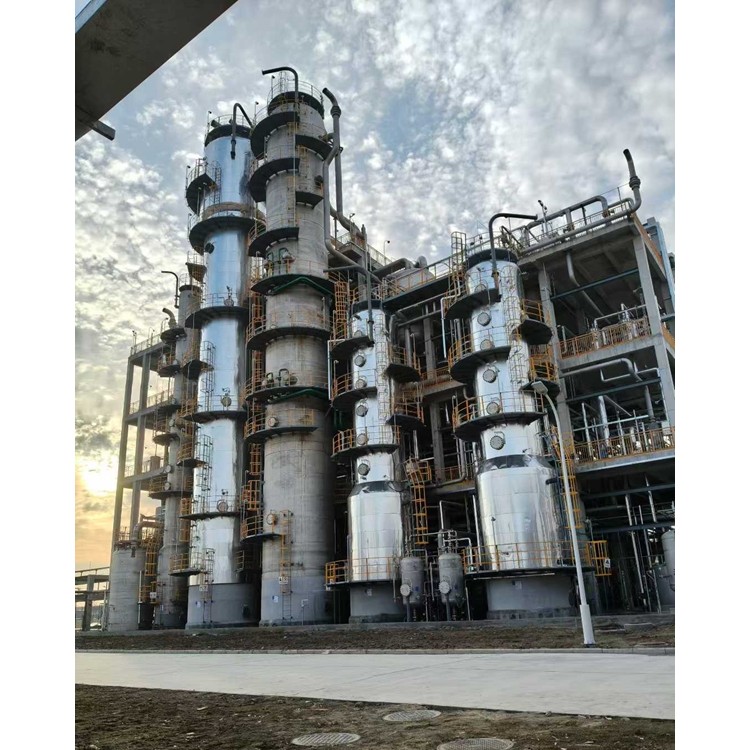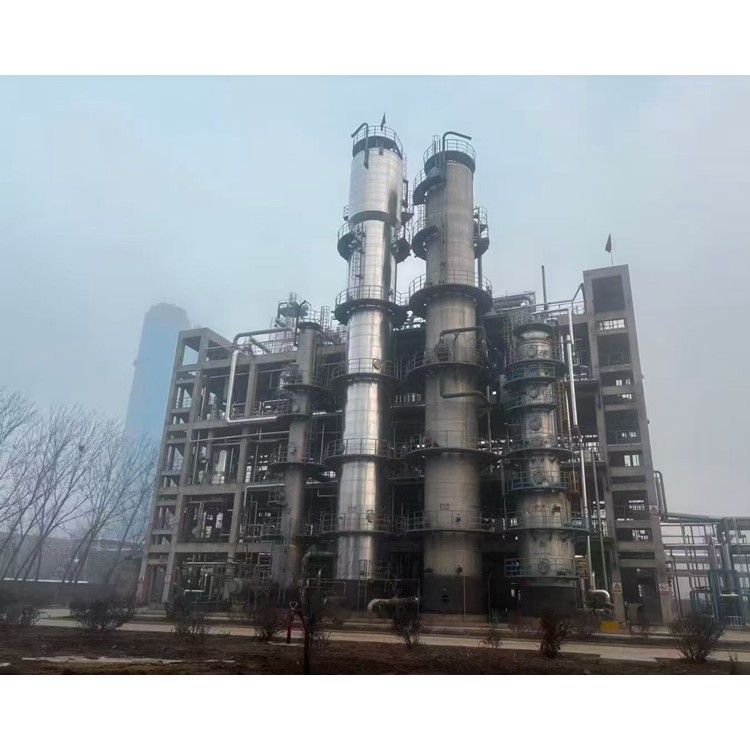

Hydrogen peroxide, as a key chemical raw material, is extensively used in various fields such as papermaking, dyeing, chemical additives, and water treatment. The safety and efficiency of its storage and use largely depend on the design and configuration of the tank internals. This article discusses the importance, functions, types, and selection and maintenance of hydrogen peroxide tank internals.
The Importance of Internal Components in Hydrogen Peroxide Storage Tanks
Hydrogen peroxide possesses strong oxidizing properties and mild acidity, and its chemical nature is unstable, prone to volatilization and oxidation. Therefore, the internal design of hydrogen peroxide storage tanks must fully consider their safety and stability to prevent material volatilization, oxidation, and container damage, ensuring safety during storage and transportation.
Function of the inner components in the hydrogen peroxide storage tank
Maintain Constant Pressure: By utilizing internal components such as self-contained nitrogen blanketing valves, maintain a constant pressure of the protective gas at the tank's top, preventing direct contact between hydrogen peroxide and air, thus reducing evaporation and oxidation.
Preventing Nitriding Treatment: Ensuring hydrogen peroxide retains its original chemical properties and does not deteriorate due to nitriding treatment.
Enhancing Storage Efficiency: A well-designed internal structure can enhance the storage efficiency of hydrogen peroxide, reducing losses during the storage process.
Section III: Types of Internal Equipment for Hydrogen Peroxide Storage Tanks
Self-contained Nitrogen Sealing Valve: Composed mainly of a rapid discharge valve and an automatic pressure regulating valve, used to maintain a constant nitrogen pressure within the storage tank.
Respirator Valves: Serve as a safety measure when the main valve fails, preventing excessive or insufficient pressure within the storage tank.
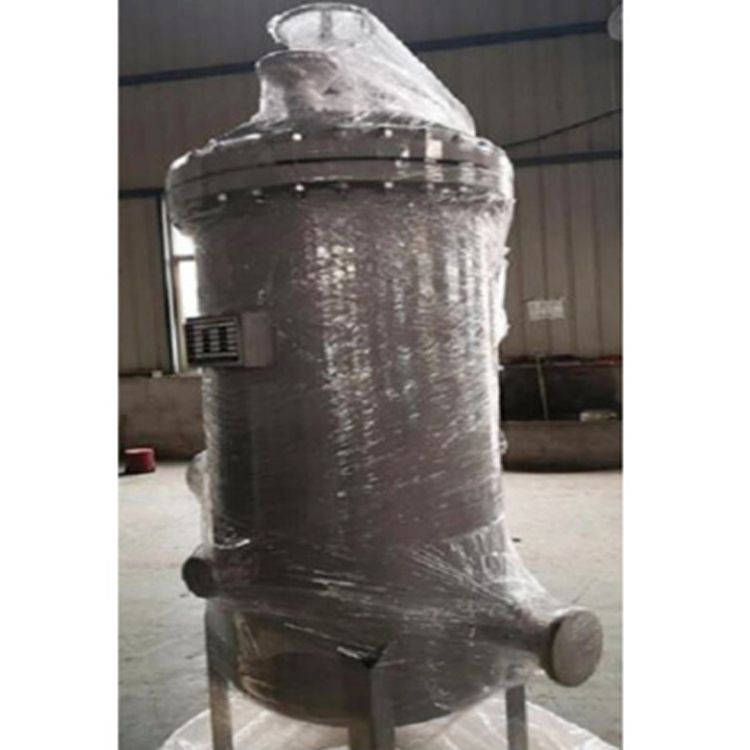
Filter: Used to remove impurities entering the tank, protecting hydrogen peroxide from contamination.
Four: Selection and Maintenance of Inner Components for Hydrogen Peroxide Storage Tanks
Select: Choose the appropriate interior type and specification based on the properties, storage quantity, and usage requirements of hydrogen peroxide. For instance, when selecting a self-contained nitrogen blanketing valve, factors such as inlet pressure, outlet pressure, and valve body material should be considered.
Maintenance: Regularly inspect the operational status of the interior components, promptly clean and replace any damaged parts. Additionally, ensure the tank is kept clean and dry to prevent hydrogen peroxide from becoming damp or contaminated.
In summary, the interior components of the hydrogen peroxide storage tank are a crucial element in ensuring the safety of hydrogen peroxide storage and use, their importance is self-evident. During selection and maintenance, careful consideration must be given to the chemical properties of hydrogen peroxide and its usage requirements, to ensure that the interior components can perform their intended functions and roles.
Contact us

Service Hotline
15062830811

Company Telephone
15062830811

Address
158 Ji'an South Road, Jintang High-Tech Industrial Development Zone, Yangzhou, Room 101, Building 11, Jinyong Technology Park
www.114global.com © Zhongshang 114 Hebei Network Technology Co., Ltd.Address: Room 6009, Oriental New World Center, No.118 East Zhongshan Road, Qiaoxi District, Shijiazhuang City, Hebei ProvincePlatform Service Hotline: 4006299930