


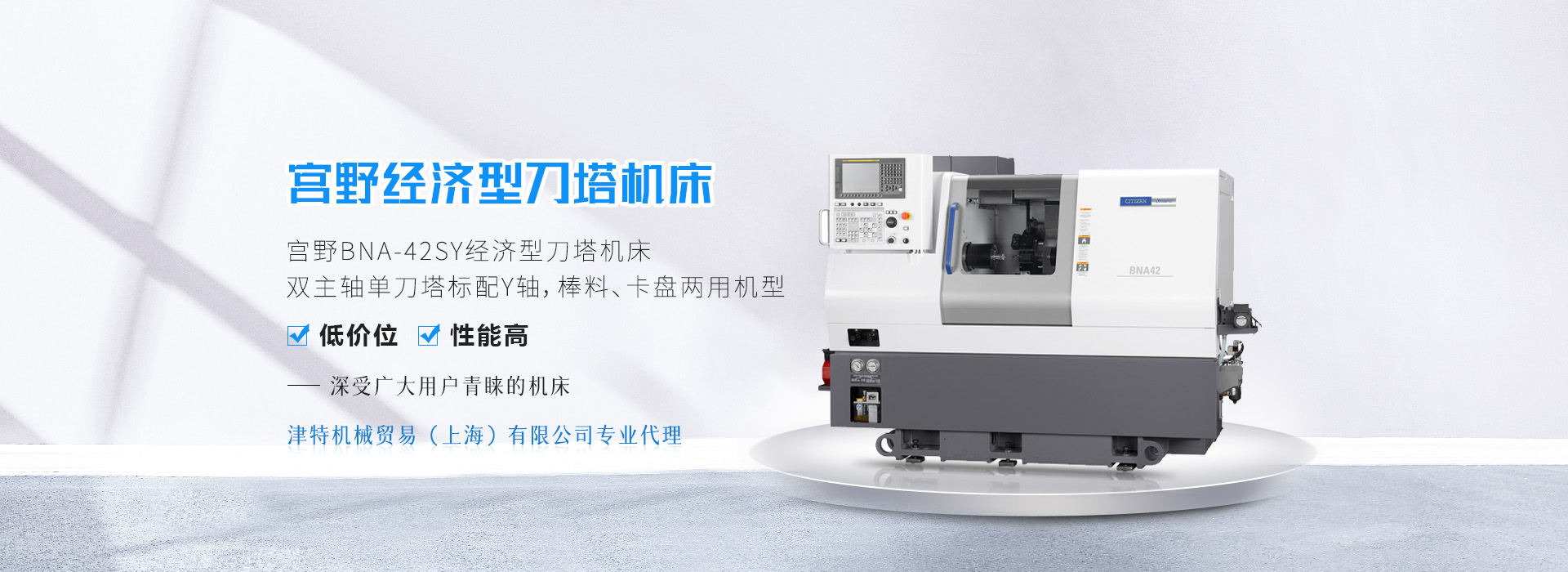

CNC lathes are increasingly being applied in modern manufacturing, showcasing unparalleled advantages over conventional lathes. The main characteristics of CNC lathes include:
The transmission chain is shortened. Compared to conventional lathes, the spindle drive is no longer a variable speed mechanism of motor—belt—gearset, but is driven by two servo motors for horizontal and vertical feed. Traditional variable speed gears and clutch components are no longer used, resulting in a significantly reduced transmission chain.
2. High rigidity. To match the high precision of CNC systems, CNC lathes feature high rigidity, thereby meeting the requirements for high-precision machining.
3. The lathe's tool holder (worktable) moves smoothly with the ball screw due to its low friction, facilitating easy movement. The support bearings at the ends of the screw have a larger pressure angle than standard bearings. The CNC lathe's lubrication section utilizes automatic oil mist lubrication. These measures ensure the CNC lathe is easy to move.
What are the characteristics of CNC lathe processing?
1. High automation reduces the physical labor intensity for operators. The CNC machining process is automatically completed based on the input program. Operators only need to start the tool, load and unload workpieces, and change tools. During the machining process, they mainly observe and supervise the operation of the lathe. However, due to the high technical content of CNC lathes, the mental labor of operators also increases accordingly.
