


Integrated Drip Irrigation and Fertilizer System Composition
The Drip Irrigation and Fertilization System is primarily composed of four parts: water source, hub, water distribution network, and drip irrigation tapes.
1. Water Source
The water source for drip irrigation systems can be rivers, lakes, ponds, reservoirs, water wells, springs, canals, etc., but the quality of water for irrigation (drip irrigation) should meet the specific water quality requirements. Since some water sources are often not directly usable with drip fertilization systems or do not have sufficient flow to meet the requirements of the drip irrigation system, it is necessary to construct complementary water conveyance, storage, or pumping projects, known as water source projects, such as storage ponds and sedimentation ponds.
2 Hub
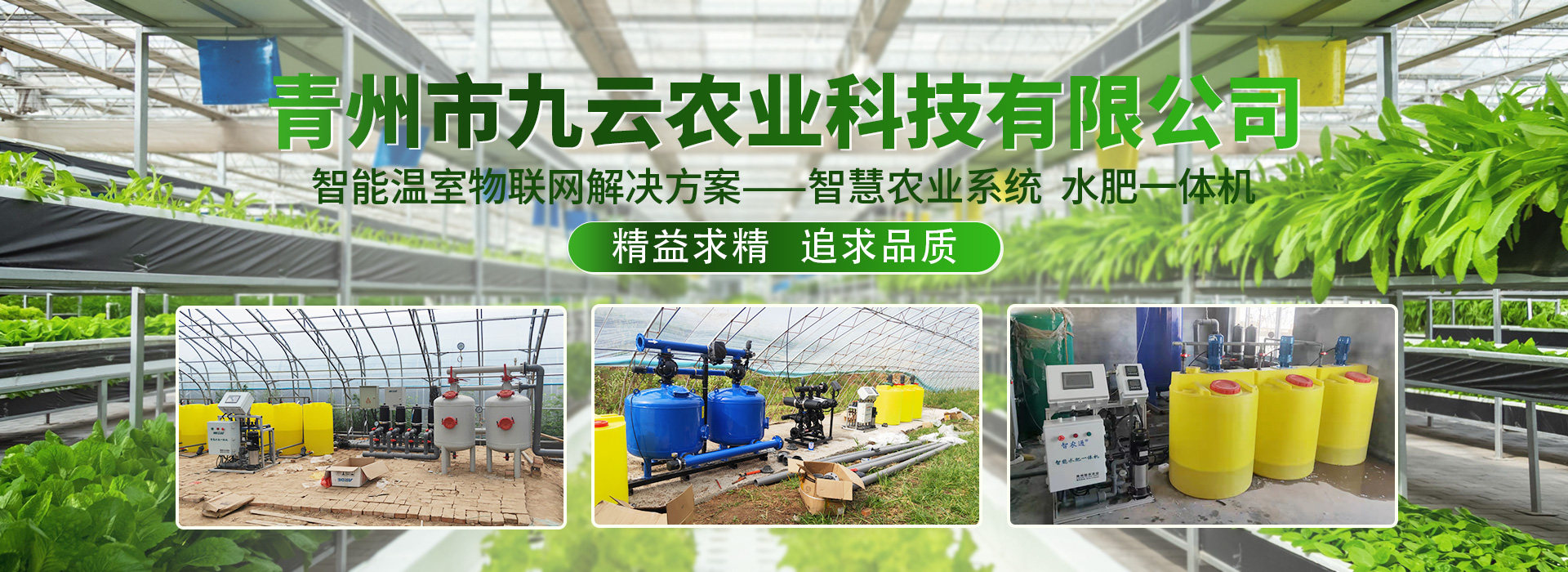
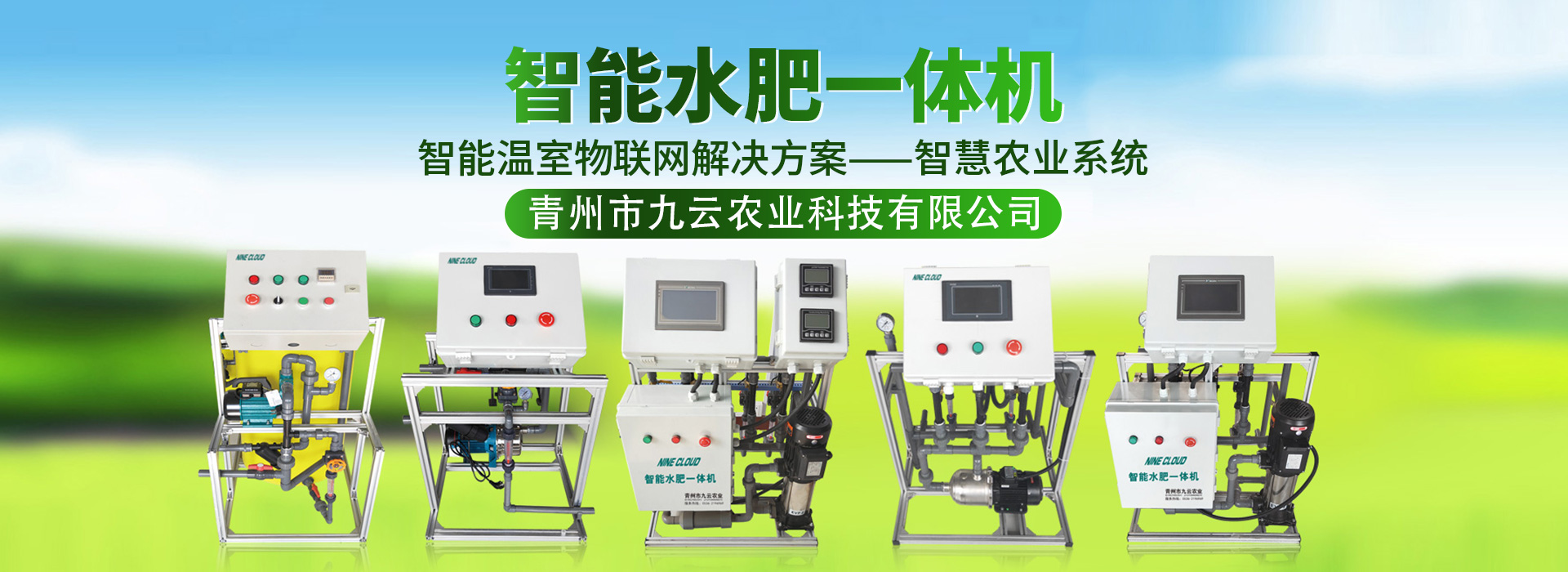
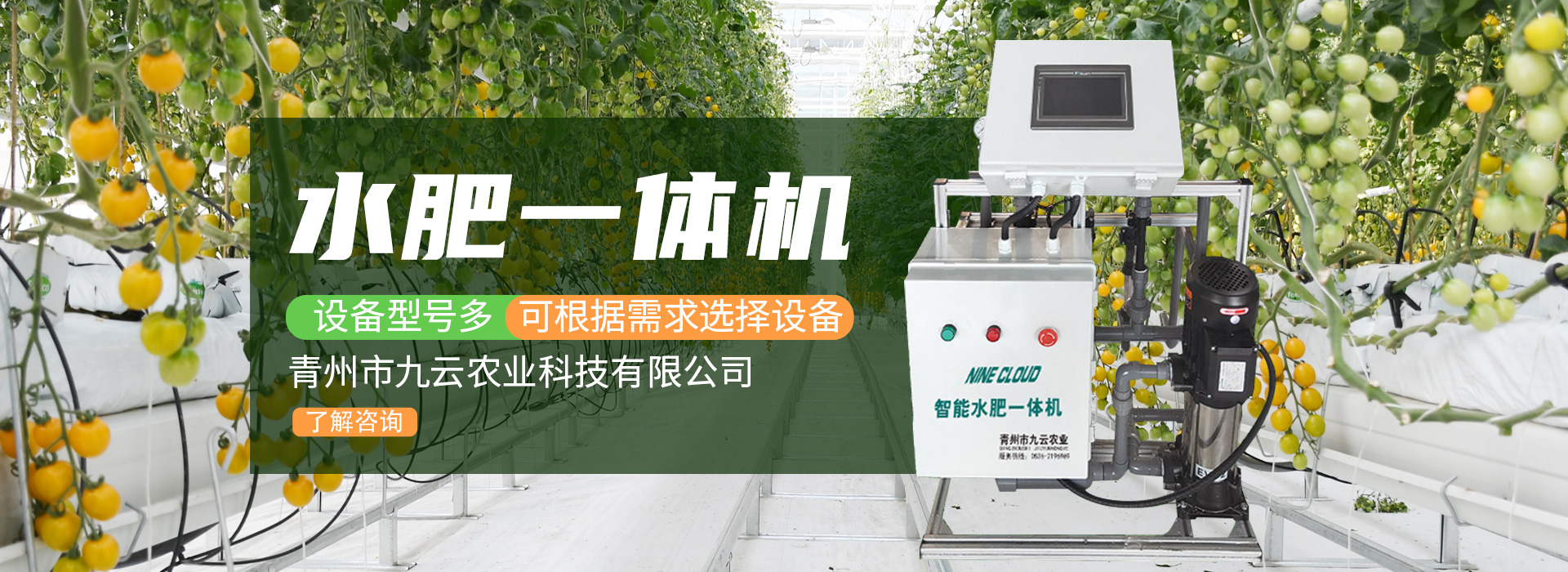
The system primarily consists of pumps, fertilization equipment, filtration facilities, and their measuring and control devices such as control valves, inlet (exhaust) valves, pressure gauges, and flowmeters. Its function is to extract water from the source, increase its pressure, and inject it with fertilizers after filtration, delivering it to the water distribution network at the correct time and quantity. It also monitors the system status through measuring equipment like pressure gauges and flowmeters, taking on the duties of driving, monitoring, and regulating the entire system, acting as the central control and coordination hub for the entire system.
3. Water Distribution Networks (Underground and Surface Water Distribution Pipes)
The role of the water and fertilizer distribution network is to deliver and allocate treated water and fertilizer from the hub according to the planned requirements to each dripper, fertilization unit, and dripper (drip tape, dripper head). The water distribution pipelines of a drip irrigation and fertilization system typically consist of main pipelines, branch pipelines, and laterals, with laterals being the pipeline in the drip irrigation system where irrigation devices (i.e., drip tapes) are installed.
4. Drip Irrigation Tape
Drip irrigation tape and drippers convert water from the tape into droplets or fine streams through channels or orifices (holes). They uniformly and steadily deliver water to the soil at the root level of crops. The crop's water and nutrient requirements are met by drippers, which are crucial equipment in the drip irrigation system. Their performance and quality directly impact the effectiveness of water and fertilizer distribution. Choose the dripper tape flow rate based on soil texture: for sandy loam, opt for a slightly higher flow rate, while for clay soil, choose a slightly lower flow rate.
