

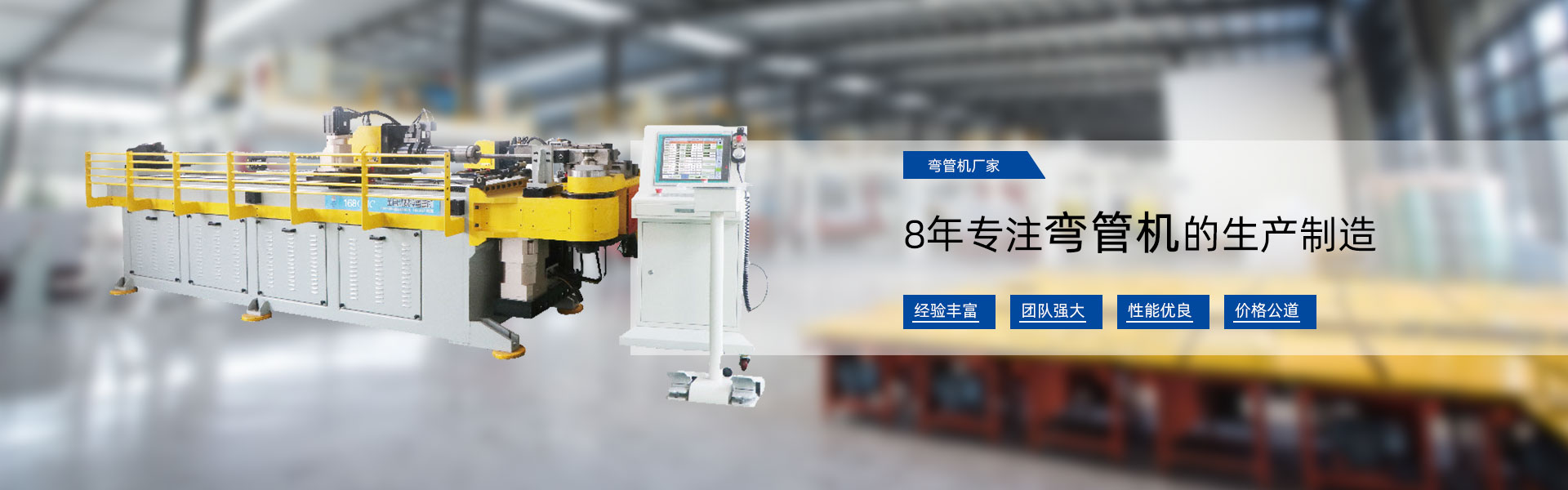
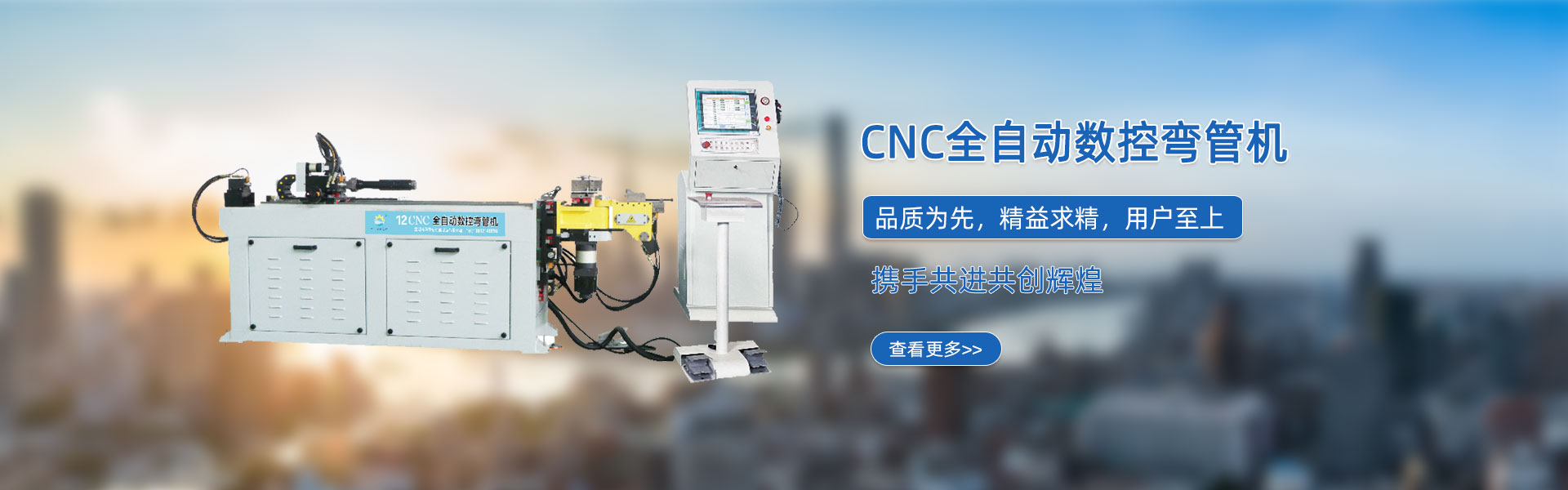
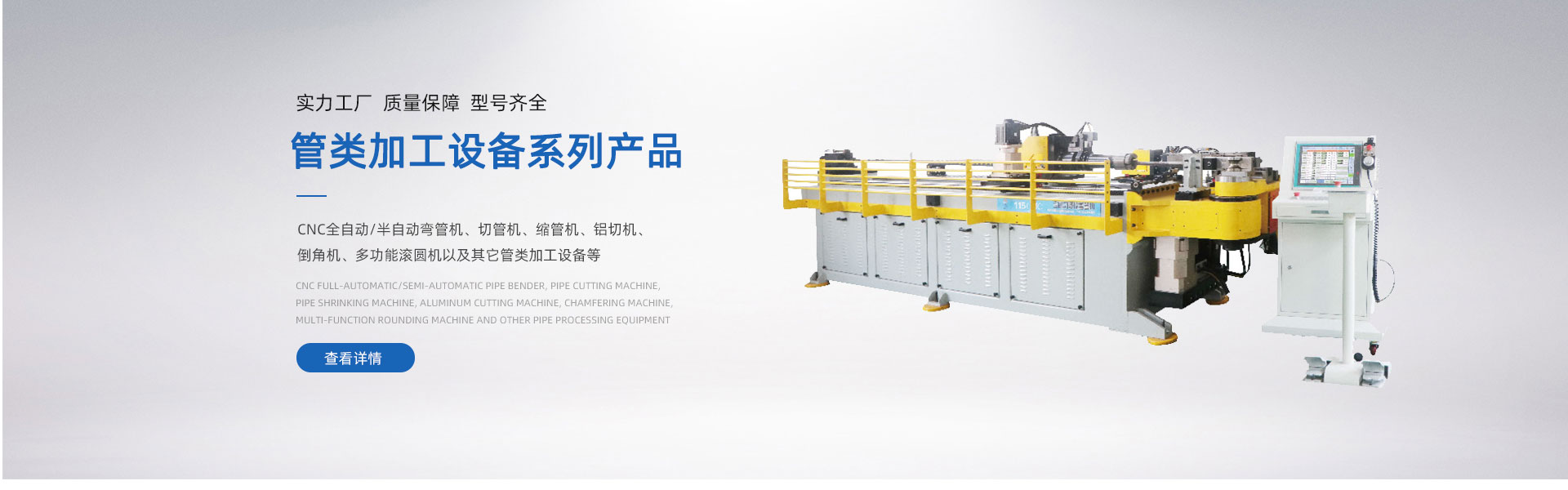

The CNC bending machine is a two-cylinder parallel processing, symmetrical push hydraulic press with a simple maintenance design, featuring a comprehensive connection in the pump room. It is applicable for pipe bending equipment in various industries such as aerospace, vehicles, electric locomotives, motorcycles, ships, petrochemicals, power engineering, natural gas, China's nuclear industry, heating furnaces, automobiles, fitness equipment, non-refrigerating air conditioners, and sports goods. The bending machine can be categorized into CNC machine bending machines and hydraulic bending machines.
The CNC bending machine is primarily used in power construction, public railway construction, heating furnaces, highway bridges, ships, furniture, and decorative pipeline installation projects. It features multiple functions, reasonable structure, ease of use, portability, and quick assembly. The counter can be set to control the cutting material frequency, and the machine will automatically turn on and off after the cutting is completed. The pump box is divided into two types. The main oil tank is used for the cleaning design of the filter. When cleaning the main filter, separate the connection between the oil tank and the main door, release the oil tank, and open the oil pump to become deep blue. Remove the filter unit, clean it with diesel or gasoline, and it can be reinstalled.
In the rational layout of CNC bending machines, utmost convenience should be provided for the entry, fixation, output, and waste management of materials. It is strictly prohibited for operators to use their fingers, wrists, or any other body parts in casting operations. If operators must use their hands for casting, large and medium-sized mechanical parts processing is required. Efforts should be made to minimize casting scale and reduce the time any body part remains in the structure. Clear safety regulations and protective equipment for the dangerous areas of bending machine tools are necessary. The key to scientifically studying the operation and learning of CNC bending machines lies in our country's laser product production and processing technology. Moreover, the high-precision laser processing of bending machines enables technicians to simultaneously analyze various processing parts, as there is no direct contact with the parts being cut during the cutting process. This allows the bending machine's energy laser to freely move data information, resulting in symmetrical heating of the cut surface, necessitating high-precision cutting. Furthermore, a higher precision laser processing production process can improve the cutting quality of raw materials for each part, whether it be high-melting point, high-tensile, or high-toughness materials, all yielding excellent cutting results. Due to the high-precision laser processing design of CNC bending machines, they have gained popularity among numerous domestic customers.
