
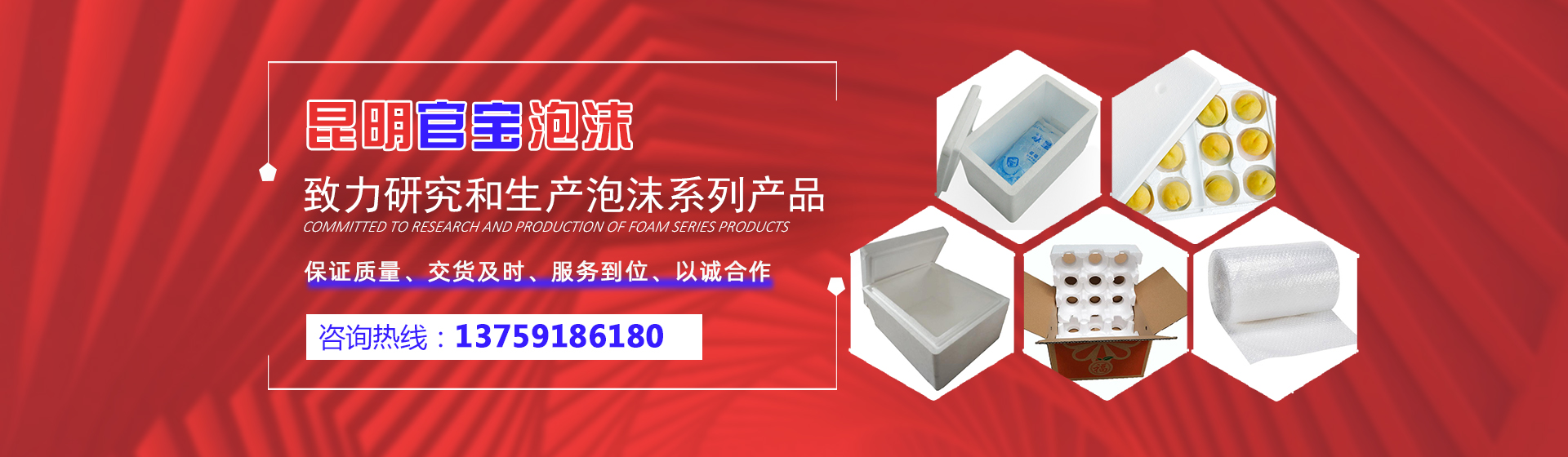


As people seek simplicity and portability, insulated, moisture-proof, and lightweight foam boxes are ubiquitous in everyday life. Foam boxes are box-shaped packaging containers made of foam plastic. They come in rectangular shapes, but vary in size, allowing you to choose according to your needs.
Due to its shockproof, moisture-proof, and thermal insulation properties, foam boxes are suitable for various industries and uses. Today, Yunnan Fruit Foam Boxes is here to help you understand the uses of foam boxes.
Express Insulation
Migrant workers often order takeout for their lunch. Many restaurants use foam insulated boxes for food delivery. On one hand, the foam boxes are lightweight, which doesn't add extra burden to the delivery staff; on the other hand, they have excellent thermal retention, allowing hot meals to be enjoyed even during the cold winter.
2. Low-Temperature Refrigerated Storage
Foam boxes are also suitable for long-distance, low-temperature storage and transportation of seafood, dairy products, butter, beverages, vegetables, and more. This is due to the insulating properties of the foam, particularly EPS foam, which is environmentally friendly, odorless, and colorless. When used in conjunction with ice packs, they can extend the shelf life of these products.
3. Prevent fruit and vegetable damage
When purchasing large items like TVs, refrigerators, and air conditioners, you'll often notice foam in the packaging corners. Due to the thick wall material with low density, the foam can withstand pressure, vibration, and shock. Therefore, using foam boxes for transportation can fully protect the appearance of fruits and vegetables.
4. High reuse rate for foam boxes
In addition to better protecting products, foam boxes are less prone to deformation during normal use, making them reusable. Even if you don't want to use them, they can be used to grow vegetables and flowers.

>
