
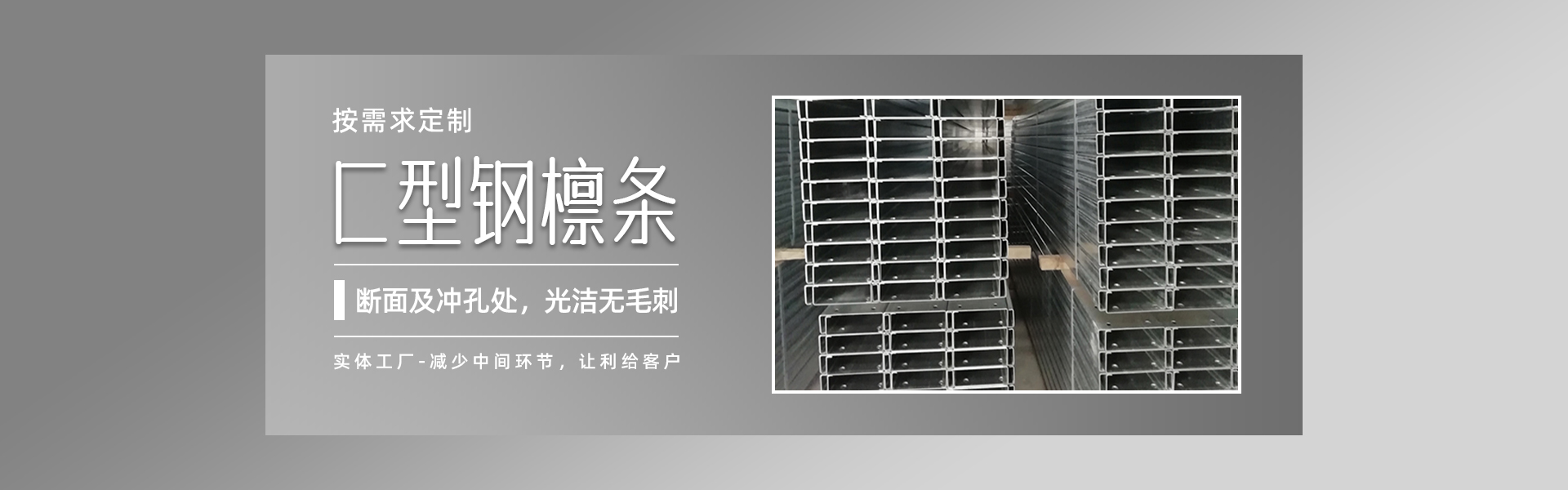
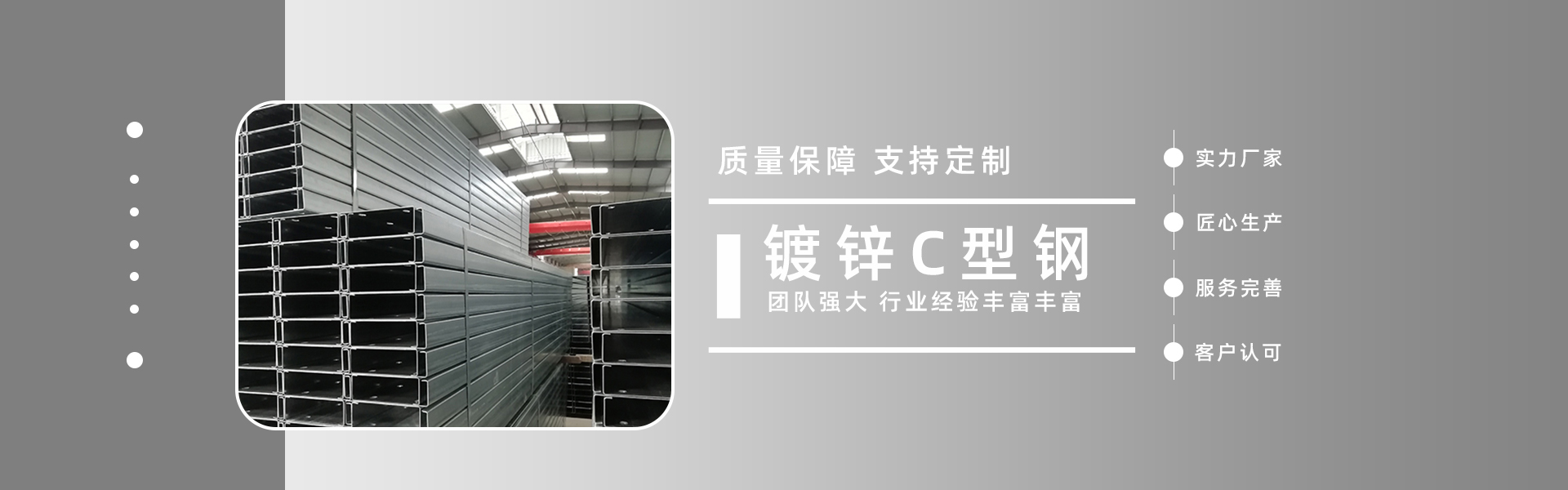
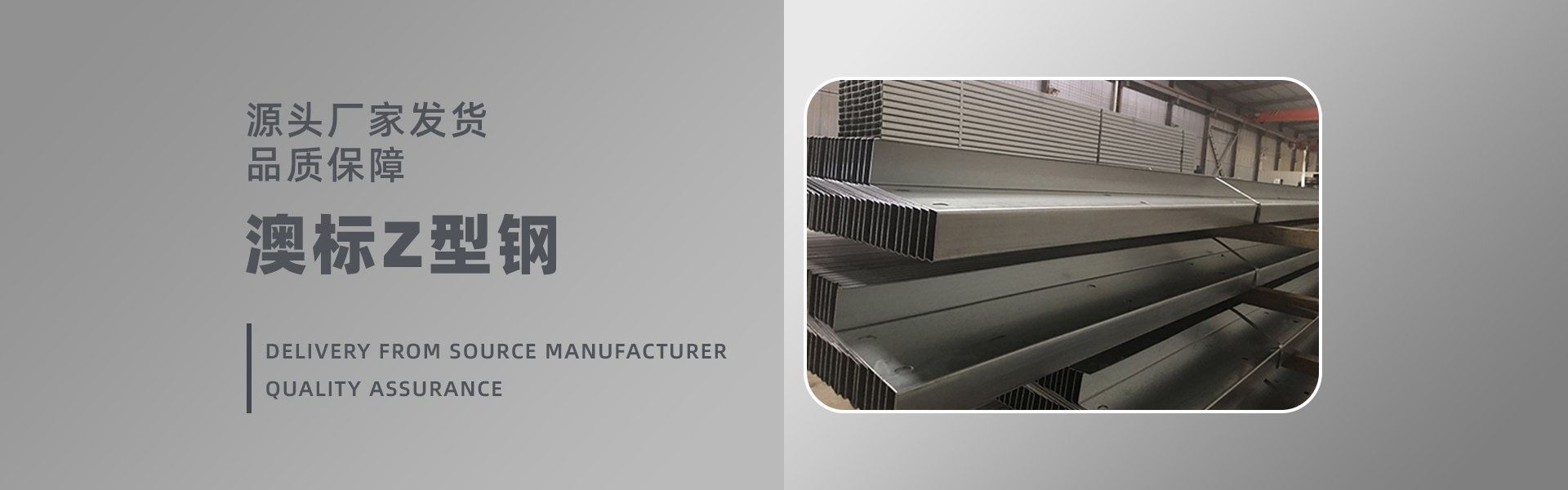

The C-shaped steel forming machine can automatically complete the forming process of C-shaped steel based on the given dimensions. C-shaped steel is a type of strip steel with a certain cross-sectional shape and size, one of the four major steel products. According to the cross-sectional shape, it is divided into simple-section steel and complex-section steel. Cold-formed steel is finished steel with various cross-sectional shapes formed by bending steel plates or strips in the cold state. Cold-formed steel is an economical lightweight thin-walled steel, also known as cold-formed steel or cold-bent steel. Due to the emergence of I-shaped steel and the prevalence of C-shaped steel, many people cannot distinguish between the two. Steel sections are a general term for steel used in civil engineering for constructing beams or columns. The technical reason for the placement of the welding area in the C-shaped steel production line is to control the "worker" style of welding C-shaped steel in urban areas.
C-shaped steel rebonding can indeed be quite麻烦, with numerous reasons. C-shaped steel is a type of strip steel with a specific cross-sectional shape and size, one of the four main categories of steel products. According to the shape of the cross-section, it is divided into simple-section and complex-section steel shapes. Cold-formed steel is finished steel with various cross-sectional shapes, formed by bending sheet or strip steel in the cold state. Cold-formed steel is an economical lightweight thin-walled steel section, also known as cold-formed steel or cold-bent steel. C-shaped steel is automatically formed by a C-shaped steel forming machine. This machine can automatically complete the forming process of C-shaped steel based on the given dimensions.
The low elongation is due to the lower thermal conductivity compared to ordinary low-carbon steel. Since the elongation of C-shaped steel is lower than that of carbon steel, the bending radius r of C-shaped steel is greater than that of carbon steel. Otherwise, there is a possibility of cracks due to the high hardness of C-shaped steel. Therefore, when selecting bending tools, one should opt for tool steel with a heat treatment hardness of 60HRC.
In general, for a unit size, based on the above characteristics, the thicker the material, the greater the bending force required. As the thickness increases, the bending force allowance when selecting the bending equipment should also be greater. Under a unit size, the higher the tensile strength and the lower the elongation, the greater the bending force required and the larger the bending angle. When the board thickness corresponds to the bending radius in the design drawing, according to experience, the unfolded dimensions of the bending workpiece are ± two board thicknesses on the right angle phase, all of which can meet the design precision requirements. Using the empirical formula can simplify the calculation process and improve production speed. The greater the yield strength of the material, the greater the elastic recovery. To achieve a 90-degree angle in the bending section, the angle of the press die should be smaller. Compared to carbon steel, the same thickness of C-shaped steel has a larger bending angle and should be particularly noted; otherwise, bending cracks may occur, affecting the strength of the workpiece.
The use of C-shaped steel combines the benefits of steel and wood, utilizing steel for support columns and wood for water resistance. The introduction of C-shaped steel enhances water resistance significantly. Its structure is akin to a support column, and its unique design makes it easier for C-shaped steel to stand in water. As long as the C-shaped steel remains upright, its water resistance is maintained, making construction above water a breeze. Beyond water resistance, C-shaped steel is also suitable for construction protection. Since it can withstand water, it's even more reliable on ordinary ground, and it's simpler to use than traditional concrete walls, with ease of installation and disassembly. It is convenient for all types of construction, as the steel structure can bear greater loads, its particular shape is easier to embed in soil, and the steel can be reused, highlighting the high versatility of C steel.
As China's economic construction progresses, environmental protection and green building materials are also advancing steadily. The production technology and processes of C-shaped steel have seen significant improvements, with the current development status being quite favorable. Generally used in building wall beams, it is primarily due to its numerous advantages, which are mainly reflected in the following aspects:
1. It is exceptionally lightweight. Made from hot-rolled steel plates, it boasts the advantage of reduced weight. Compared to concrete, it requires less structural planning and the construction process is relatively simpler.
It boasts excellent flexibility, a properly structured internal design, and high stability. It is typically capable of withstanding significant oscillations and has impressive resistance to natural disasters.
3. Save Time and Effort. The welding process allows for significant material savings and reduces the need for labor and resources. Additionally, the process offers the benefits of ease of processing, disassembly, and recycling.
