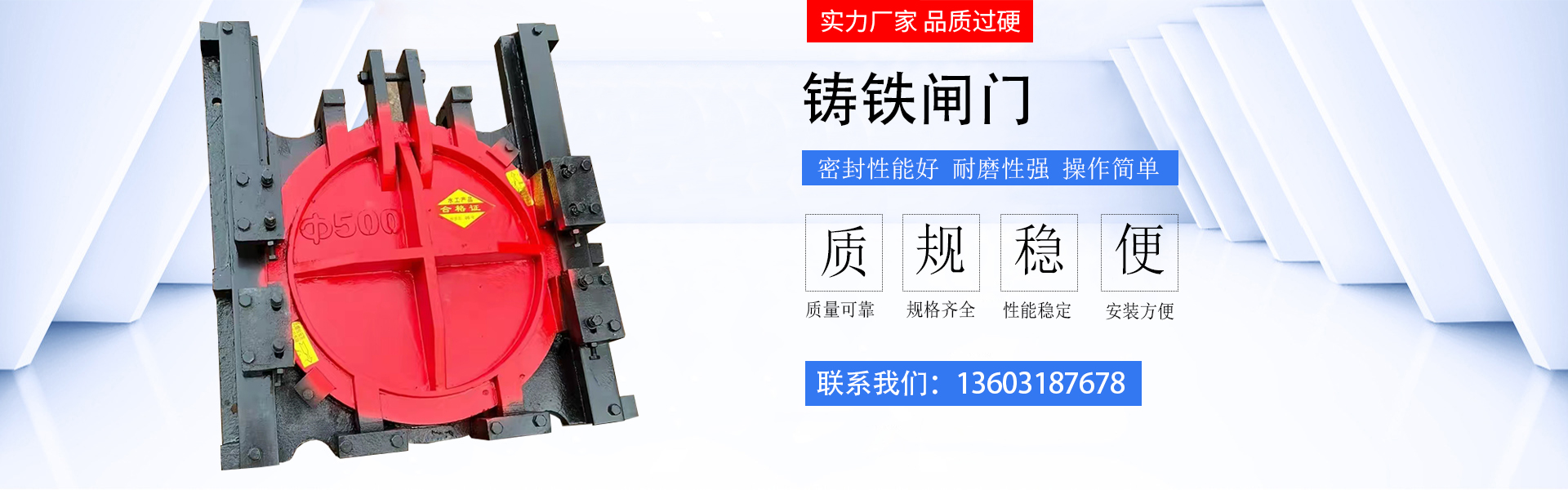
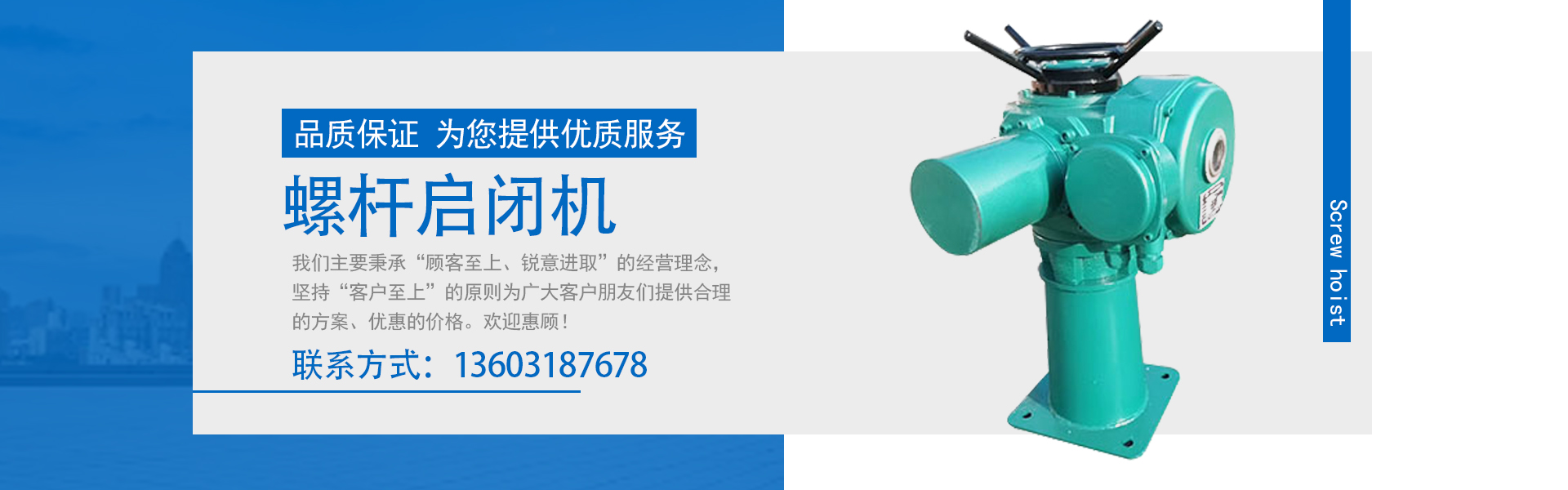

Screw gate valves are widely used in various hydraulic and electric power construction projects, aquaculture, and urban water supply and drainage systems due to their simple structure, easy installation, and affordability. In the operation of these valves, a slight mishandling can lead to bending of the screw, breaking off the end cover of the valve, or snapping the beam, causing cracks and damage to the reinforced concrete girder. Severe cases may result in the displacement, rotation, or overturning of the gate (beam), potentially causing injuries or even fatalities to personnel. Electrically operated gate valves can also cause motor overload and burn out the motor, severely impacting the safe operation of the project and threatening the personal safety of operators.
Factors Leading to Accidents in Screw Actuated Valves
Human factor-induced screw-driven gate accident
Employees operating gates were negligent, failing to check procedures before operation, or were absent due to leave, with substitute workers blindly operating without familiarity with the procedures and methods.
2. Accidents Caused by Non-Human Factors
During operation, floating debris such as trees or obstacles like rocks may be swept to the bottom or jammed in the gate slot by the high-speed water flow. If the gate is closed at this point, the lower edge of the gate is already blocked by the obstacle before it reaches the bottom, creating a reverse force. However, the limit marks or limit switches on the screw are not yet in place, and they do not act as a stop or alert the operator to stop. Therefore, the operator will not stop the machine, and the gate will continue to be pressed down. When the reverse force exceeds the bearing capacity of the gate opener or the gate platform, a gate jamming accident will inevitably occur.


