

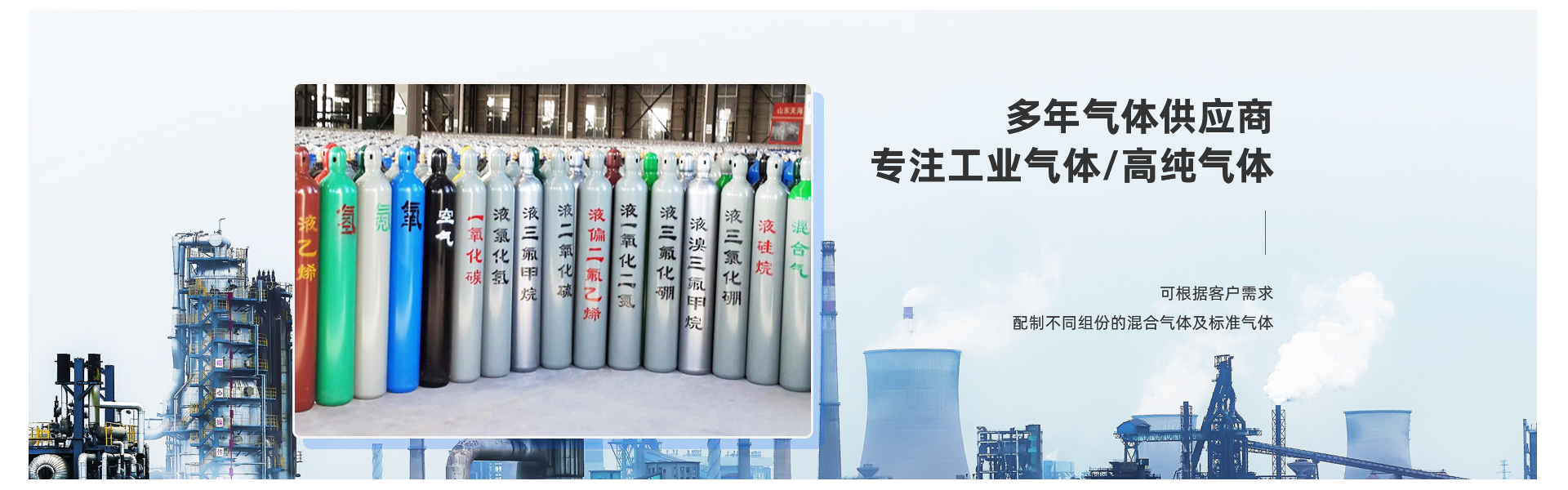
Based on their chemical properties, industrial gases can be categorized into four types:
One, Highly toxic gases possess strong toxicity. When these gases enter the human body, they can cause poisoning symptoms, and in severe cases, they may even lead to death. Common toxic gases include chlorine gas, ammonia, and carbon monoxide.
Flammable gases, such as hydrogen and acetylene, are highly combustible. Rapid combustion in a short period can lead to explosions. Proper ventilation is crucial when storing these gases.
Three, gases like oxygen, which are not flammable themselves but can support combustion, have the potential to exacerbate fires at already burning scenes. Although oxygen is naturally present in the air and difficult to eliminate, preventive measures must be taken.
Four, Non-flammable gases, although they are not flammable nor combustible, have high stability and are mostly inert gases. However, they can still asphyxiate individuals. They are odorless and commonly include nitrogen, carbon dioxide, and argon, among others.