

 通过中商114认证
To fully utilize the automatic batching system and maintain production stability, Linqu Yate Magnetoelectric Equipment Co., Ltd. reminds belt scale users to pay attention to the following daily maintenance and care methods:
1. Maintain scale limes free of debris, ensuring the motor has no dust or oil for heat dissipation, and the scale frame is free from dust or materials near the weighing sensor. Use a compressed air blower at the end of each shift to clear dust, enabling the sensor and scale frame to move freely.
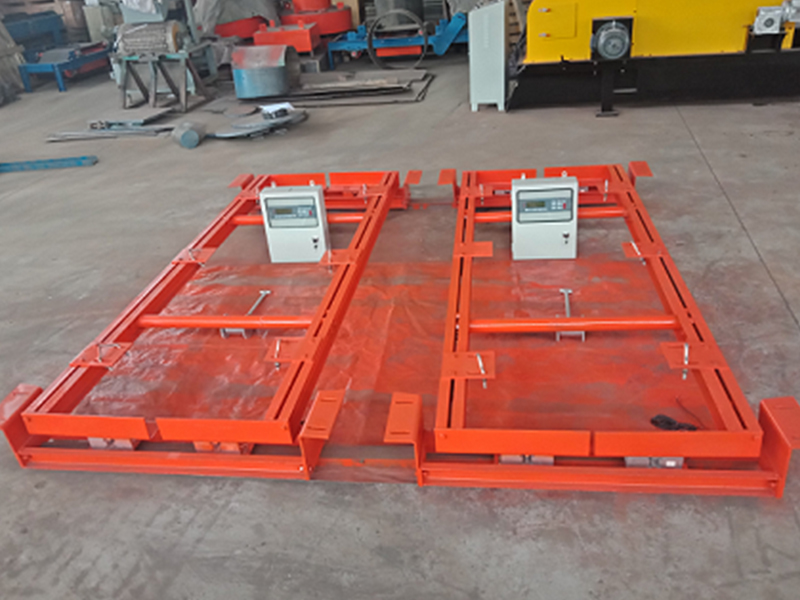
Ensure that there is no material accumulation between the weighing frame and the springs connected to the weighing support. If particles are found caught between the support springs or the weighing frame's weighing section, they should be promptly removed to prevent the weighing section from jamming and affecting weighing accuracy.
3. When the weighing material is sticky, belts, drums, and idlers are prone to adhere to the material. Belt adhesion can cause inaccuracies, affecting measurement precision. Stuck idlers can lead to belt misalignment and deviation in the weighing material, resulting in unstable feeding and impacting weighing accuracy.
4. Inspect the reducer every six months, checking the oil level and quality; the lubricating grease for the head and tail wheel bearings should be replenished once every two weeks to ensure smooth operation of the idler wheel. When refueling, pay attention to the cleanliness and quality of the oil; oil containing impurities will have the opposite effect.
5. Changes in the length and tension of the ingredient belt scale belt will affect weighing accuracy. The belt tension should be maintained at a moderate level, without deviation, to ensure that the material lands in the center of the belt.
Regularly inspect the degree of wear on the cleaning agent inside and outside the belt to ensure both cleanliness and non-stickiness.
7. The quality of the sensor directly determines the weighing accuracy of the batching scale. Therefore, it is recommended to choose a high-quality sensor. When the frame requires welding, a grounding wire should be connected at the welding point to prevent damage to the sensor.
8. When the sensor is not in use or maintained for an extended period, turn the sensor's protective bolt to slightly support the weighing frame, preventing overloading of the sensor. Additionally, close the hopper gate to avoid deformation of the belt due to long-term localized pressure.
Step on sensors within a 1-meter radius of the weighing body is prohibited; otherwise, the sensors may be damaged beyond the range.
If the batching belt scale frequently triggers alarms during operation, it is essential to conduct targeted inspections promptly to eliminate the cause of the incident.