


A muffle furnace is a fundamental laboratory equipment for basic experiments, with a simple structure and easy operation. However, improper operation can also lead to usage malfunctions.
Next up, our editor will discuss the usage methods and daily maintenance of muffle furnaces, hoping you'll learn how to maintain and care for them while using the furnaces correctly~
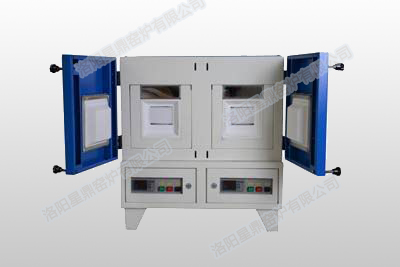
I. Classification of Muffle Furnaces
The muffle furnace is primarily used for determining moisture, ash content, volatile matter, melting point analysis, ash composition analysis, and elemental analysis of fuels. It can also serve as a general-purpose ashing furnace. It is commonly used in the food and environmental sectors as well.
Muffle furnaces are categorized based on their heating elements, operating temperatures, and controllers into several types:
1. Differentiated by heating elements, we have: Electric Furnace Wire Muffle Furnace, Silicon Carbon Rod Muffle Furnace, Silicon Molybdenum Rod Muffle Furnace.
2. Generally, refractory furnaces are categorized by their operating temperatures, including those below 1000 degrees Celsius (box-type muffle furnaces), 1100 to 1300 degrees Celsius (silicon-carbide rod muffle furnaces), and those above 1600 degrees Celsius using silicon molybdenum rod muffle furnaces.
3. Different types of muffle furnaces are distinguished by their controllers, including: PID Tuning Control Muffle Furnace (Silicon Controlled Rectifier Digital Temperature Controller), Program-Controlled Muffle Furnace (Computerized Time and Temperature Controller).
4. There are two types of muffle furnaces based on insulation materials: ordinary refractory brick muffle furnaces and ceramic fiber muffle furnaces.
Section II: Maintenance and Care Tips for Muffle Furnaces
1. When the muffle furnace is used for the first time or after a long period of disuse, it must be baked. The baking time should be four hours at a temperature of 200℃ to 600℃. During operation, the furnace temperature must not exceed the rated temperature to prevent damaging the electrical heating elements. It is prohibited to pour any liquids or metals that are easily soluble into the furnace. When the muffle furnace operates below 50℃ degrees, the filament has a longer lifespan.
2. The muffle furnace and controller must operate in environments where the relative humidity does not exceed 85%, free of conductive dust, explosive gases, or corrosive gases. When heating metal materials coated with oil or other substances, a large amount of volatile gases can affect and corrode the surface of electrical heating elements, leading to their destruction and reduced lifespan. Therefore, timely prevention and proper sealing or ventilation of containers should be ensured during heating.
The muffle furnace controller should be used within an environmental temperature range of 0-40°C.
Regular and frequent inspections should be conducted to ensure the electrical connections of the furnace and controller are in good condition. Thermocouples connected to the controller may cause interference, leading to jumping digits on the controller display and increased measurement errors. The higher the furnace temperature, the more pronounced this phenomenon becomes. Therefore, it is crucial to properly ground the metal protective tube (shell) of the thermocouple and, if necessary, use a three-wire thermocouple output. In summary, all effective measures should be taken to minimize interference.
Do not abruptly pull out thermocouples when they are at high temperatures to prevent the sheath from bursting.
Maintain the furnace chamber clean and promptly remove oxides and other substances from within.
During the process, when melting the test specimen or incinerating the precipitate with alkaline substances within the furnace, strict control of operating conditions is required. A layer of refractory plate should be pre-laid at the bottom of the furnace to prevent corrosion of the furnace chamber.
Muffle FurnaceAdopting Secure Technology Operational Procedures
Do not exceed the temperature of this resistance furnace when in use.
Ensure the power is turned off when removing samples to prevent electric shock.
When removing samples, the furnace door should be kept open for the shortest possible time to extend the lifespan of the electric furnace.
Do not inject any liquids into the furnace chamber.
5. Do not place samples沾有水和油的 into the furnace; do not use clamps沾有水和油的 to pick up samples.
When removing samples, wear gloves to prevent burns.
Samples should be placed in the middle of the furnace, neatly arranged, and must not be scattered.
Do not touch the electric furnace or the samples around it at will.
After use, disconnect the power and water supply.
Do not operate the resistance furnace without permission from the management, and strictly follow the equipment's operational procedures.
FourPrecautions for Ash Content Testing
After preliminary burning, remove the sample and cool it down. Slowly add a small amount of deionized water along the edge of the crucible (do not sprinkle directly on the residue to prevent dusting). This allows the water-soluble salts to dissolve, exposing the trapped carbon particles. Dry the mixture in a water bath, then place it in an oven at 120°C to 130°C to thoroughly dry (to remove moisture completely, preventing the residue from flying off during re-burning) and burn until constant weight is achieved.
When placing the crucible into the muffle furnace or removing it, pause at the furnace mouth for a moment to allow the crucible to preheat or cool, preventing cracking due to rapid temperature changes.
When clamping a hot crucible with crucible tongs, it is necessary to preheat them for a moment on an electric furnace or a muffle furnace.
The crucible after burning should be cooled below 200℃ before being placed into the desiccator. Otherwise, due to the action of heat convection, it is prone to cause the residue to scatter, and the cooling speed is slow. After cooling, a large vacuum is formed inside the desiccator, making it difficult to open the lid.
5. After placing the crucible into the desiccator, first close the lid, then slowly open it to release the air. Repeat this process several times, secure the lid, and allow it to cool to room temperature.
When removing crucibles from the desiccator, due to the internal vacuum, be gentle when opening the lid to restore atmospheric pressure. Allow air to slowly enter to prevent any residual ash from scattering.
Disclaimer:Images and text on this site are collected and compiled from the internet for learning and exchange purposes only, and are owned by the original creators. They do not represent the views of our site. We will not assume any legal liability. If any of your rights are infringed upon, please contact us promptly for removal.
